




























Entertainment, not investment: AGA says prediction markets threaten regulated progress
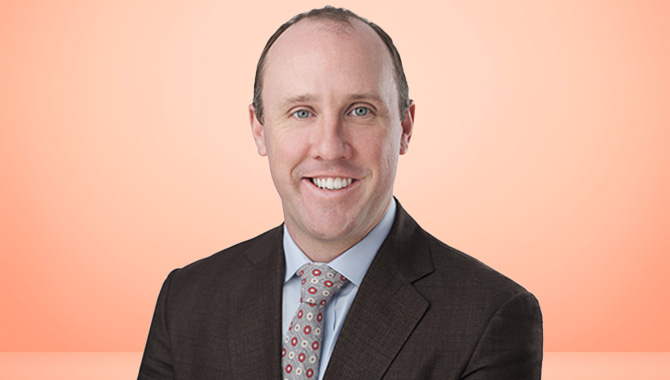
Dave Forman, VP, Research at the American Gaming Association (AGA), addresses the imbalance of how prediction markets present sports betting as the sensible option

Engagement with sports betting in the US continued to grow in 2025, with Americans wagering more than $160bn on sports in legal, state-and Tribal-regulated sports markets. That growth has coincided with the expansion of industry messages highlighting the fact that gambling is gambling and should be done for fun and not profit.
Ahead of Super Bowl LX, we estimated that Americans would legally wager $1.76bn on the game – a 27% increase from the year prior. Demand for legal sports betting options is expected to expand with major upcoming sporting moments, including March Madness and the FIFA World Cup headed to North America this summer.
Today, 39 states and Washington, DC permit sports betting because voters and elected leaders deliberately chose to allow it. These jurisdictions have established stringent regulatory standards, robust consumer protections and oversight by experienced gaming regulators. Legal operators are required to pay taxes that are reinvested back into states to fund critical public priorities.
The decision to legalize betting, or not, reflects the authority of states and Tribes to determine what forms of gaming are permitted within their borders.
That balance is being challenged. Prediction markets offering sports event contracts are offering sports betting outside of the established state and Tribal legal framework, under the guise of financial products. These platforms invite consumers, including those under 21, to bet on sports “in light of your investment experience,” removing the line between sports betting and investing.
That distinction matters beyond the court room and is having a negative impact on how sports bettors on prediction markets think about what they’re doing. Recent AGA research shows that 28% of sports event contract bettors believe they are investing – not gambling – and 25% are using money from their investment budgets to place wagers. The legal gaming industry has long reinforced the principle that gaming is a form of entertainment, not an investment. That commitment has been central to the industry’s commitment to responsible play and sustainable growth.
The US gaming industry has also benefited from a strong regulatory infrastructure that gives consumers confidence that the game isn’t rigged and a neutral avenue to turn to if a dispute arises. That confidence is being undermined. A staggering eight out of 10 (78%) sports event contract users believe state regulators could assist them in resolving disputes. Those unwitting bettors are largely unaware that prediction market operators claim to be regulated by the Commodities Futures and Exchange Commission (CFTC) – an agency that is neither structured nor resourced to handle individual consumer disputes, or problem gambling concerns.
In early 2025, the CFTC had 636 full-time employees. By comparison, there are nearly as many people regulating commercial gaming in Pennsylvania alone. Nationwide, the gaming industry operates under the oversight of 8,400 experienced state and Tribal regulators who establish and enforce robust regulatory frameworks.
Additionally, consumers struggle to access meaningful responsible gaming tools on prediction market platforms. There are no requirements around self-exclusion, problem gambling resources or age verification standards comparable to gaming. Only 28% of sports event contract bettors say responsible gaming tools are easy to find on their platform, compared to 58% of sportsbook users – reflecting substantially lower visibility and accessibility of safeguards on prediction market platforms.
State-and-tribal regulated sports betting, by contrast, operate under extensive responsible gaming statutes, strict licensing requirements and ongoing compliance. Legal operators also pay taxes that are reinvested into communities where they operate – meanwhile prediction markets pay no state gaming taxes, costing state, local and Tribal governments hundreds of millions of dollars.
Sports betting works when it’s consumed as a form of entertainment, regulated by gaming experts, grounded in consumer protection, and offered in states where voters and lawmakers have chosen to authorize it. Allowing unregulated alternatives to masquerade as financial products threatens that progress, undermines state and tribal sovereignty and puts consumers at serious risk.