




























Dan Pozner: Why big opportunities still remain in responsible gaming
Reflecting on Problem Gambling Awareness Month, Dan Pozner, VP of Partnerships & Content at Birches Health, acknowledges the progress made within safer gaming. But, by increasing the spotlight, there is room for far more...

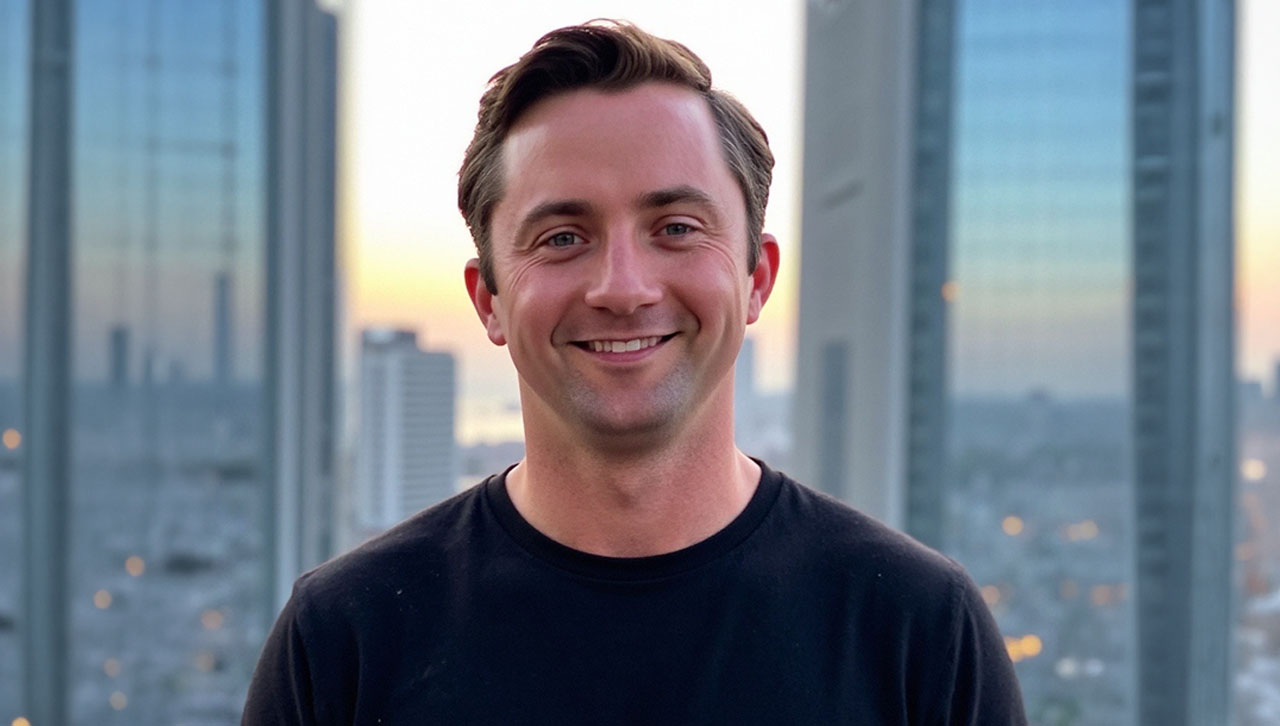
Most of us working in or around the gaming industry know March was Problem Gambling Awareness Month (PGAM). When we see the campaigns, social media posts and events supporting it, it’s easy to assume others are seeing similar.
Now ask a family member or friend if they know when Problem Gambling Awareness Month is. See if they can name a couple of the warning signs of gambling disorder. At your next annual physical, ask your primary care doctor if they are regularly screening for gambling addiction.
Indeed, while there has been some progress on these fronts, their answers will likely tell you how much work remains.
Promising innovation
As the Head of Partnerships at Birches Health, I have seen some encouraging and innovative responsible gaming and problem gambling initiatives in recent years. Specifically, some promising work has focused on player risk scoring systems that detect at-risk behaviors and automatically flag them. In fact, we are proud to support some partners’ work in this area by sharing clinical perspectives to help inform the behavioral risk criteria and subsequent interventions.
Over the past year, there have also been positive steps in two other key areas: research and awareness. After years of advocacy, federal funding for gambling addiction research is now available through the Department of Defense’s Peer Reviewed Medical Research Program (PRMRP). Gambling disorder is now a sanctioned research topic for active military and veteran populations, hopefully signaling that problem gambling will be rightly seen as a serious public health issue in the years ahead.
Problem gambling-related content that in the past may have been a difficult-to-find article, press release or internal employee email now appears more likely to get pushed out on social media channels to millions of followers
And on the awareness front, this year’s PGAM theme is “Caring Communities, Stronger Futures” emphasizes the importance of a community-driven approach. As the National Council on Problem Gambling explains, “when a community comes together… silence is replaced with support, and isolation is replaced with connection.” With that in mind, we were encouraged and grateful to see Patriots wide receiver Kayshon Boutte transparently share the story of his past struggles with gambling addiction. The shame and stigma often connected with gambling disorder are still major blockers for many Americans, and this type of open admission from a public figure like an NFL player can help break down those traditional barriers.
Away from the industry bubble
As stories of gambling harm see more of the spotlight, so too should the tools designed to reduce the chances of them developing. It has been commendable to see more operators integrating limits-setting features into new-user onboarding flows (strongly recommending them and/or forcing an opt-out action to skip doing so), incentivizing their utilization in creative ways and sending custom pop-up messages that encourage players to set them. These signal progress and a willingness to go beyond what’s mandated, but more can still be done to increase their prominence and increase the frequency with which users are reminded of them.
Speaking of prominent messaging, another trend I’ve been encouraged by this year is the willingness of partners to go wider with PGAM communications. Problem gambling-related content that in the past may have been a difficult-to-find article, press release or internal employee email now appears more likely to get pushed out on social media channels to millions of followers.
That is the sort of effort needed for problem gambling awareness to break out of the gaming industry bubble – and reach into the areas where it’s needed most.