



























Competition: A new reality for Brazil
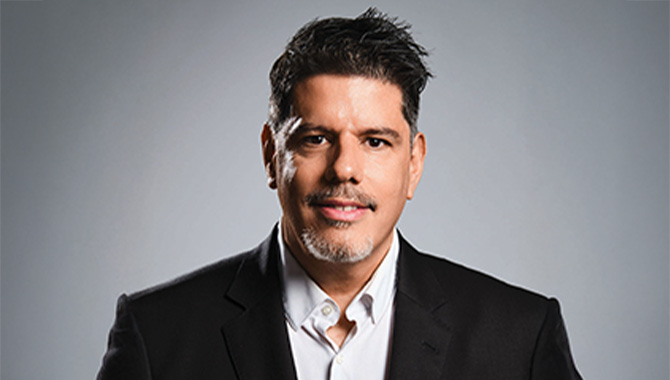
Ramiro Atucha, Founder of Atucha Advisory, talks shrinking margins in online gaming, rising competition and the need for smarter strategies

For many years, online gambling operated under conditions that were fundamentally different from those in most other industries. In numerous markets, operators enjoyed what could be described as “hunting in a zoo.” There was limited competition, minimal regulation, light taxation and high technological and capital barriers to entry. Those factors generated unusually high margins – margins that would be unthinkable in sectors such as e-commerce, food delivery, entertainment or retail, where hyper-competition has long forced companies to optimize every aspect of their operations.
That era, for the gambling industry, is ending.
Regulation, taxation and increased competition are reshaping the economic landscape. As markets mature, commercial restrictions tighten, licensing demands increase and global players enter aggressively, the margin structure that once defined the industry is being squeezed. Many of the historical behaviors and assumptions of our sector will simply no longer be sustainable.
A clear example is sponsorship and advertising. In Brazil, pre-regulation, it was relatively inexpensive for casino brands to sponsor football teams. Post-regulation – with a larger pool of qualified operators and major international companies entering the scene – the cost of sponsorships has multiplied. The same is happening with paid advertising on Instagram, TikTok and other digital platforms. Competition is rising, cost per acquisition is increasing and monitoring your return on investment is becoming much more critical than it ever was.
This pressure also exposes another weak point: player retention
While industries like e-commerce have spent decades perfecting personalized recommendations, behavioral algorithms and customer-specific experiences, most online casinos still offer the same interface to every player. To my knowledge, none display the last five games a user played, recommend content personalized to that user’s preferences or dynamically adapt bonuses and features based on individual behavior. The gap between what is possible and what the industry is currently doing is enormous.
At the same time, the product ecosystem has shifted dramatically. A decade ago, the sector lacked innovative content. Today, we face oversaturation. Hundreds of studios are launching, many producing variations of the same themes, mechanics and maths models.
This abundance often leads to casino lobbies that are overly broad and under-curated, reducing the distinctiveness of platforms and making it harder for operators to highlight what truly works.
Oversaturation also impacts studios: with so much competition, investment in R&D becomes harder to sustain and differentiation becomes increasingly challenging. That is why niche verticals, such as crash games, fishing games, multiplayer bingo or other less-explored mechanics, have gained traction. They offer something that stands out, engages players differently and gives operators tools for better retention and differentiation.
The industry is approaching a moment where online gambling will have to adopt the same advanced tools, methodologies and expectations that other industries have been forced to master. For instance, personalization, segmentation, attribution, dynamic UX, product curation and ROI-driven decision-making.
Margins are shrinking. Competition is intensifying. Content is oversupplied. The winners of the next phase will be the operators and suppliers who evolve, who treat gambling not as a protected niche, but as a modern, data-driven digital industry.
Ramiro Atucha has nearly 20 years of industry experience. He co-founded Leander Games in 2007, serving first as CEO and later as COO until 2019. Leander was one of the industry’s first independent aggregators, providing content to some of the world’s leading operators. In 2019, Ramiro co-founded Vibra Gaming, a content and platform supplier specialized in the Latin American market. He has participated as a moderator and speaker at many major industry events worldwide and is recognized as a key reference point for navigating the complex LatAm regulated markets.