




























Malta Gaming Authority CEO: Intensifying regulatory supervision
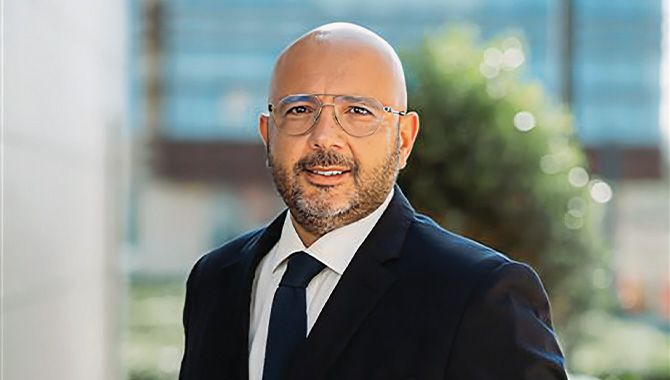
MGA CEO Charles Mizzi recaps the performance of Maltese gaming in 2025, and how failures to report suspicious betting activity remain a concern across the industry.

What were the notable challenges faced for 2025, and how can the Malta Gaming Authority (MGA) counteract potential harm toward consumers?
Throughout 2025, the MGA continued to operate within an evolving international landscape, where regulatory developments abroad bring ongoing challenges for the sector. In response, the Authority has maintained a focus on reinforcing clarity, consistency and robust oversight, including addressing emerging legal and operational developments that support a well-regulated and trusted market.
To safeguard players, the MGA ensures that licensees adhere to the Player Protection Directive and applies a risk-based, proactive approach. This includes targeted supervision, active enforcement against unlicensed activity and tools and initiatives that promote responsible gambling. These measures help identify and address risks early, protect players and maintain confidence in Malta’s licensed gaming market.
The MGA began this year by enhancing its regulatory oversight. How effective was this in minimising illegal gambling in Malta?
The MGA’s enhanced regulatory oversight in 2025 has contributed to reinforcing market integrity and mitigating illegal gambling activity in Malta. By intensifying supervision of licensed operators through more data-driven and evidence-based monitoring, we have ensured greater adherence to Malta’s Gaming Act and other regulatory instruments, elevating compliance standards across the sector.
At the same time, we maintained active surveillance and enforcement against unlicensed entities, leveraging intelligence-sharing and targeted investigations to address illegal operations. Our approach is also shaped by the need to maintain balanced and proportionate regulation, which encourages operators to remain within the licensed ecosystem. This enables more effective oversight, strengthens player safeguards and reduces the risk of activity shifting towards unregulated markets. Taken together, these efforts reinforce trust in Malta’s gaming framework and support the integrity of the wider sector.
What type of harm could unauthorised URLs present in Malta, especially as iGaming continues to expand?
Unauthorised URLs pose significant risks to players and the integrity of Malta’s online gaming sector. Operating outside the regulatory framework, these sites lack essential safeguards such as responsible gaming measures, player fund protection and fair play standards, which exposes consumers to financial loss, fraud and misuse of personal data.
Beyond the risks to individual players, such platforms may facilitate money laundering and other criminal activity, threatening the credibility of Malta’s regulated market. As online gaming continues to expand, the presence of unauthorised URLs increases the potential for harm, particularly to vulnerable players, and can erode public confidence in licensed operators. This makes active monitoring and enforcement critical.
Were there any challenges to launching the MGA’s new audit procedures, and how can the changes help provide a smoother process?
The introduction of our updated audit procedures placed strong emphasis on clarity, consistency and collaboration. Audit Service Providers, approved by the MGA, play a pivotal role in conducting compliance audits and act as an extended arm of the Authority, consistently demonstrating receptiveness to the evolving needs of the audit process.
To support this transition, we held a series of one-to-one sessions with auditors, which strengthened understanding of procedures and fostered greater ownership and accountability. These collaborative efforts have significantly improved efficiency and transparency across audits. Looking ahead, we expect further enhancements driven by continuous feedback, reinforcing our commitment to a streamlined and robust compliance framework that supports both operators and the wider sector.
With the MGA having launched its self-assessment tool in October, in what ways has the offering generated a positive impact on problem gambling?
Our self-assessment tool, launched in October, has already contributed positively to efforts to address problem gambling. Based on the internationally recognised Problem Gambling Severity Index (PGSI), it offers players a simple and anonymous way to reflect on their gambling habits through nine targeted questions. By encouraging regular self-checks, the tool helps individuals identify early signs of risk and promotes self-awareness before issues escalate.
Importantly, it goes beyond assessment by providing practical guidance, including suggestions such as setting deposit limits or activating self-exclusion, and directing users to support organisations like Sedqa, Caritas Malta and the Responsible Gaming Foundation. This proactive, user-centred approach empowers players to take control of their behaviour and strengthens early intervention within Malta’s wider responsible gambling framework.
How does the MGA foresee responsible gaming efforts expanding as we enter 2026, whether from an industry perspective or in Malta specifically?
As we enter 2026, our responsible gambling efforts will continue to build on the regulatory oversight priorities published last year, with general findings and best practices set for publication this year to offer clearer guidance to operators. These priorities, shaped by identified risk factors, compliance trends and player communication, are intended to help operators anticipate expectations and further strengthen their approach to player protection.
In keeping with our established practice, we will publish our updated priorities in the first quarter to ensure transparency and alignment across the sector. From an industry perspective, we expect continued investment in robust responsible gambling frameworks, enhanced monitoring tools and more proactive interventions. Combined with the Authority’s guidance, these developments will support a culture of accountability and sustainability.
Tell us about your report into football betting integrity. What can be done specifically in this area?
In our Thematic Review on Domestic Football Betting, the MGA emphasised that failures to report suspicious betting activity remain a concern, alongside weaknesses in monitoring systems and controls designed to prevent insider betting. The review also observed that betting activity on local competitions includes participation from both domestic and overseas accounts, which can add complexity to integrity oversight given the variety of markets and risk factors involved.
Licenced operators have implemented safeguards such as monitoring tools and cooperation mechanisms with sports governing bodies, which reflect ongoing efforts to manage these risks. Our findings underlined the importance of robust compliance frameworks, proactive reporting and effective detection tools. Integrity failures can lead to reputational harm and regulatory consequences, reinforcing the need for continued collaboration between licensees and the Authority to safeguard the fairness and credibility of sports betting.
What harms could impact players if licensees underestimate the importance of cross-border betting?
Monitoring cross-border betting is critically important for licensees, as international wagers bring complex integrity and compliance risks. Our Thematic Review on Domestic Football Betting highlighted that betting on Maltese football is not limited to local players; overseas activity adds layers of vulnerability, which may include potential match manipulation and insider betting. If disregarded, these risks can harm users through exposure to corrupt markets, unfair outcomes and a loss of trust in regulated platforms.
Beyond financial harm, unchecked cross-border betting can also facilitate criminal networks and compromise consumer protections, leaving players vulnerable to fraud and misuse of data. Effective monitoring, proactive reporting and close collaboration with international integrity bodies are essential to protect consumers, ensure fair play and uphold Malta’s reputation as a trusted jurisdiction.
Were there any particular highlights for the MGA throughout 2025, whether from a regulatory perspective or gaming in general?
Throughout 2025, the Authority continued to strengthen its regulatory approach, enhancing oversight and reinforcing the frameworks that support a well-regulated, resilient sector. Central to this work has been the publication of our refined supervisory strategy, which builds on our risk-based framework. This approach has allowed us to focus resources where they matter most, strengthen engagement with operators, and take a proactive stance on emerging risks, with particular emphasis on compliance, player protection and sports betting integrity.
Key milestones include the completion of the first-ever thematic review of the local football betting market, the second year of the voluntary ESG reporting recognising operators advancing responsible practices, updates to the Capital Requirements Policy and the launch of a self-assessment tool for safer gambling. Alongside these achievements, the Authority continued to enhance operational efficiency, becoming more responsive to market needs.
Our work also addressed complex legal and cross-border challenges, ensuring Malta’s licensed sector continues to operate with confidence and resilience.
What are the MGA’s strategic goals for 2026 and how can the regulator collaborate with operators to ensure consumer protection?
Looking ahead to 2026, the MGA’s strategic goals remain centred on strengthening and enhancing our regulatory work, with a focus on robust oversight and responsible regulation.
We will continue to pursue smarter regulation that is risk-based, proactive and targeted, ensuring resources are directed where they can have the greatest impact. In line with this approach, the Authority is exploring how emerging technologies, including AI, can be harnessed responsibly to drive innovation while maintaining integrity across the sector.
This includes developing a voluntary AI Governance Framework to guide best practice and support responsible adoption across the industry. We will also place increased focus on our land-based sector, recognising the important role the sector plays within Malta’s broader gaming ecosystem. Collaboration with both online and land-based operators will remain key, enabling the sector to implement effective safeguards, anticipate regulatory expectations and adopt best practices in consumer protection.