




























Benchmarks for continuous responsible improvement
Jennifer Shatley, Executive Director of the Responsible Online Gaming Association (ROGA) speaks to Global Gaming Insider. We discuss the evolving discourse around harm prevention in the US – and key initiatives to help operators better protect their players

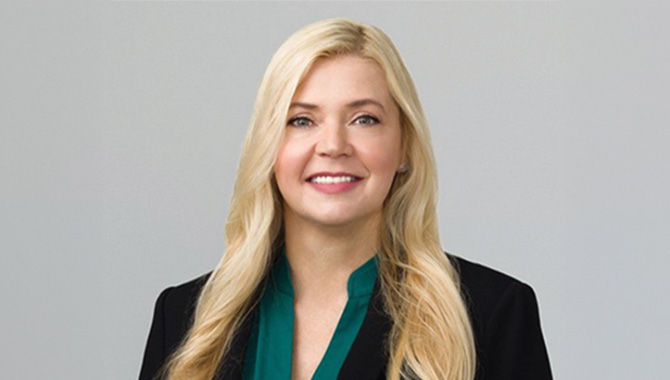
Two years on from the foundation of ROGA, how do you reflect on the work you have undertaken so far?
I’m extremely proud of the work that ROGA has accomplished, especially with our two-year anniversary being in March. Considering what we’ve built so far from the ground up, it’s been a relatively short time period. In that time, I think we’ve been able to set new standards for RG through initiatives like our VIP best practice guidelines, we’ve done a lot of collaboration with operators, we’ve been able to expand support services with our partnership with institutions like BetBlocker.
Something else I would point out is that ROGA has focused education efforts on that very important college age group through our Know Your Play programme. This was an age group we recognized needed addressing because there is a lot of discourse and support with student athletes from an RG perspective, but the more general student population is often overlooked in that regard. We worked to fill that gap over the past year, and we’re very much focused on getting more implemented across the US at universities.
In what ways do you think AI has revolutionized RG and harm prevention education initiatives – particularly relating to young people – during the past two years?
AI in the RG field – as well as everywhere else – is still evolving. AI certainly has the potential to bring scale to RG personalization efforts – such as understanding risk assessment and how to recognize changes in personal behavior or betting habits from certain individuals. But it’s then about what we do with those kinds of tools. We need to validate the measures being used, which is one of the reasons why we joined as a Founding Partner of the International Gaming Institute’s AI Hub. I think AI technology has the potential to help us recognize markers of harm, validating the ones that are the most meaningful so that we can help optimize our approach.
Do you find the lack of protection around prediction markets concerning? How would you like to see this issue approached?
Our stance is that, regardless of the vertical or the regulatory classification, meaningful consumer protection should apply to any platform that involves monetary stakes. We believe that for robust responsible gaming – or in this case technically responsible trading, however you want to define it – consumer protection should apply across the board.
What are the goals of your iGaming certification programme being developed with the Responsible Gambling Council?
Certainly. When you look at the US, you have a patchwork of regulatory jurisdictions. There is no consistent standard. What we are looking to do is, first, really set the US standard, make it highly consistent and solidify those benchmarks across the US. We are also prioritizing making sure this is not going to be a stagnant certification; it’s going to be a marker of continuous improvement. Not only will it tell operators that they’re doing well in a certain area, it will also identify areas where they can continue to improve by involving the program. We are starting the certification program with just ROGA members, to get all of them certified – but then we will open it up to non-members.
The World Cup this summer will be huge for US gaming. Do you feel it also has the potential to provide an education opportunity for responsible practices, particularly in sports betting?
Of course! RG is obviously very important year-round; however, there are certain opportunities throughout the year with big sporting events, such as the World Cup, Super Bowl or March Madness, that provide a natural opening to really reinforce responsible gaming. And it’s good to take advantage of these times, especially because a lot of people will either be engaging in sports betting for the first time during these events or it will be the only time during the year they will engage. During these events, we want to remind players that sports betting is about entertainment; it’s about adding excitement to the game. It’s not about making money. What’s unique about the World Cup is that it will allow us to reach a variety of different audiences.
More generally, what can you tell us about ROGA’s hopes and plans for 2026?
I feel that we’re still very focused on our core pillars; creating an evidence base and then driving out meaningful initiatives based around the data. We’ll be creating more best practice guidelines that’ll be coming out in 2026 again. Of course, we’re very excited about the certification that will be coming out in the coming months, which is again very evidence-based. More generally, I’m looking forward to setting high standards for continuous improvement and to the self-exclusion data clearing house, which is another huge initiative and milestone for ROGA.