




























Keith Whyte: Why March matters to me
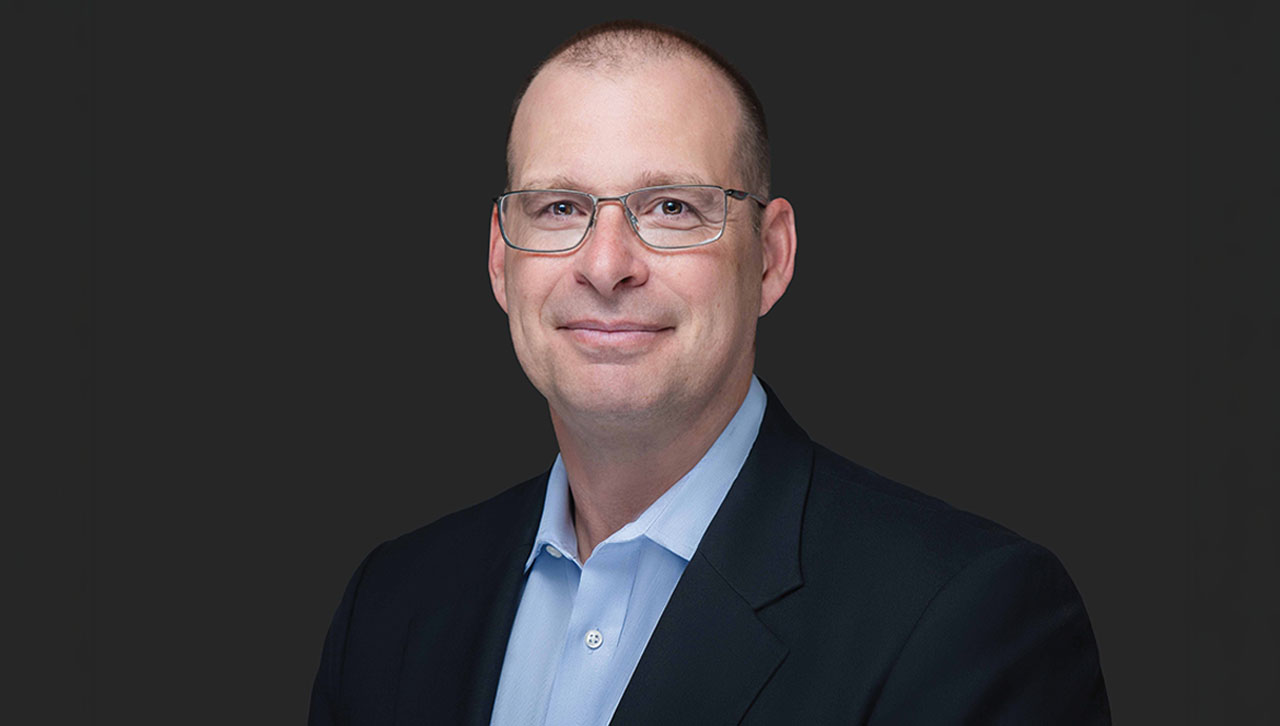
Keith Whyte, President of Safer Gambling Strategies and regular Global Gaming Insider contributor, speaks on the necessary evolution of Problem Gambling Awareness Month.

March is a special month for me.
More than 20 years ago, I sat with my friend Tim Christensen after yet another unsuccessful effort to secure federal support for problem gambling programs. The message from Washington was clear: there would be no national funding for a public awareness campaign. So we made a simple decision: if the Federal Government would not fund one, we would build one ourselves.
That conversation became the genesis of what is now Problem Gambling Awareness Month (PGAM).
At the time, Tim had administered state problem gambling programs in Nebraska and Arizona and had recently formed the Association of Problem Gambling Service Administrators, now known as the National Association of Administrators for Disordered Gambling Services (NAADGS). I was serving as Executive Director of the National Council on Problem Gambling (NCPG), whose membership included state-based nonprofit councils across the country.
Together, our organizations represented virtually every coordinated effort in the US focused on problem gambling awareness. What we lacked in federal funding, we made up for in collaboration, infrastructure and commitment.
We chose March strategically. Even in 2003, the NCAA Division One Men’s Basketball Tournament was one of the most wagered-on sporting events in the country. The national conversation around betting begins with the Super Bowl in February and intensifies through March as the tournament approaches. If Americans were already talking about betting, March was the logical moment to introduce a public health message into that conversation.
In many respects, PGAM was designed as a form of counter-programming – ensuring that awareness and help-seeking resources were visible at the same time wagering activity was peaking.
We modeled the campaign on established awareness efforts such as National Substance Abuse Awareness Month and Breast Cancer Awareness initiatives. Those campaigns demonstrated that sustained, concentrated messaging – supported by coordinated stakeholders – can influence public understanding and improve policy outcomes.
March is exhausting. It is also energizing. It is when I see new leaders stepping up, new partnerships forming, new clinicians getting trained and individuals finding help for the first time
Originally launched as Problem Gambling Awareness Week, the campaign quickly expanded. Advocates across the country adopted it, adapted it for their jurisdictions and asked for more time to host conferences, training and public education events. The week became a month. That evolution was organic and demand-driven, a clear signal that the concept resonated.
Today, similar structured awareness efforts exist globally, though at different times. In the UK, Safer Gambling Week has become a major industry-wide activation. Comparable initiatives take place in Canada and Australia, reflecting a shared international recognition that effective public awareness requires sustained coordination rather than isolated messaging.
One reason PGAM has endured is that it creates a multiplier effect. Conferences, webinars, legislative briefings, social media campaigns, helpline promotions, casino-based education efforts and earned media coverage reinforce one another. Each activation amplifies the others, producing a cumulative impact far greater than any single event could achieve alone.
The impact is measurable. Calls to problem gambling helplines consistently spike in March, closely tracking increased advertising and outreach. Dozens of state conferences, training and webinars take place nationwide.
Some casinos host educational booths for patrons – an approach embedded year-round at the Massachusetts Council’s GameSense centers and the Responsible Gambling Council’s PlaySmart centers in Canada. Major operators, including MGM Resorts International, have displayed PGAM messages on marquees along the Las Vegas Strip, extending visibility well beyond traditional public health channels.
But, beyond the metrics, March has become something more personal for me. Each year when the calendar turns, I think back to that conversation with Tim – two people frustrated by the absence of federal support, deciding to act anyway. What began as a modest, almost defiant idea has grown into a nationwide mobilization involving advocates, regulators, operators, clinicians, prevention specialists and people in recovery.
March is exhausting. It is also energizing. It is when I see new leaders stepping up, new partnerships forming, new clinicians getting trained and individuals finding help for the first time. For many of us, March is no longer simply a campaign. It is a reaffirmation of purpose. Because awareness is not a one-time achievement. It is a commitment we renew every year.