




























Jonathan Aiwazian: The long road ahead for self-exclusion
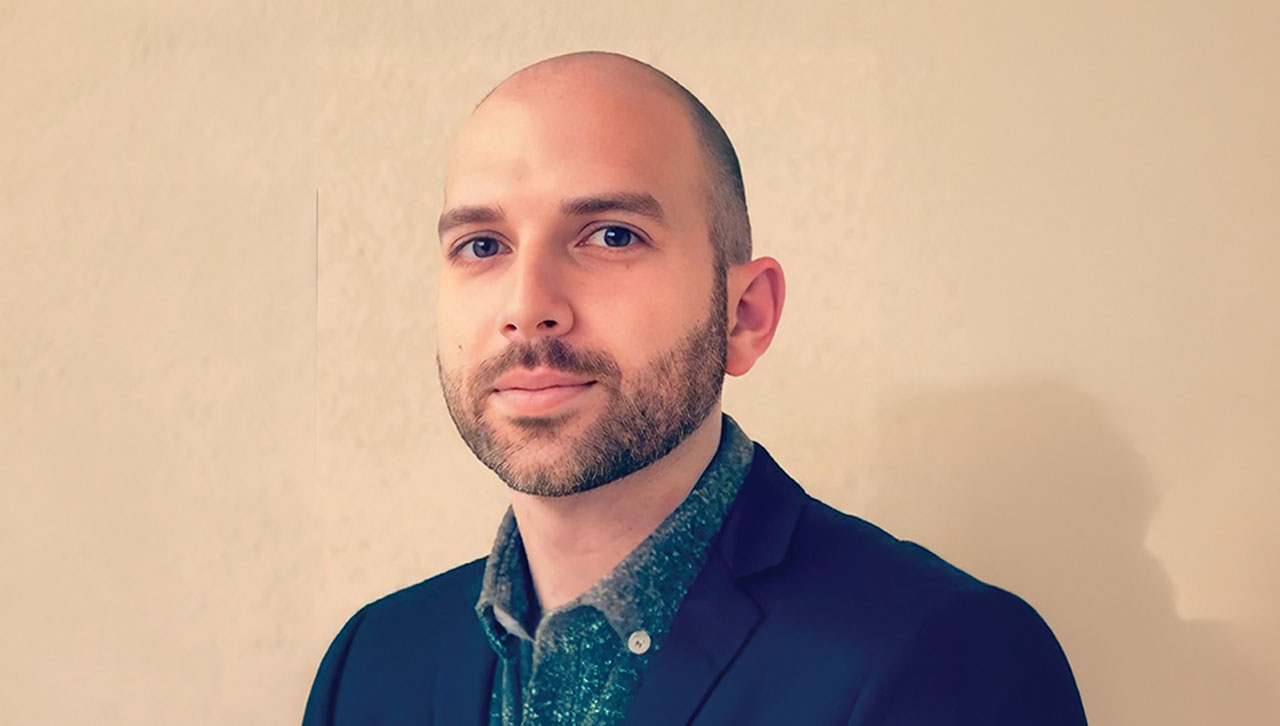
Jonathan Aiwazian, idPair CEO, speaks with Global Gaming Insider’s Kirk Geller about the National Voluntary Self-Exclusion Program and the possibility of future prediction market integrations.

Could you provide an overview of how the National Voluntary Self-Exclusion Program first began and what inspired its creation?
It’s something that’s been tried in the past, but it never really got the legs it needed to or participation from a lot of jurisdictions. Basically, my former life was as an operator; I worked for Kindred Group, then Daily Racing Form, even launching a sportsbook in Iowa for them. What I noticed through those roles is that players were sometimes reaching out for help, or sometimes not reaching out, but you could see through their data coming in that they were probably struggling and could use some effective resources.
The best we could do was shut down their account or, even if they did exclude, we’d often just hear anecdotally that they were going to another operator or they were going across state lines and playing there. There were also a few moments that transformed the trajectory there, including when I met Marlene Warner of the Massachusetts Council on Gaming and Health. With her experience and advising along the way, we built the program out to be something that includes all forms of gaming. It is a very manual process to connect with, but we went in with no illusion that it was going to be a quick process.
I think August 2024 was when the website first went live and we started enabling people to self-exclude. Since then, it’s now in 22 states, covering Tribal gaming, fantasy sports, casinos, pari-mutuel, skill-based amusement games, all sorts of different gaming products depending on where you are and what’s available. It’s been a long road, and it’s a long road ahead still, but we’re putting the pieces together.
Wyoming and Nebraska were the latest states to join the program. What factors eventually led to their incorporation?
Basically, right now the only way to self-exclude in Wyoming is through the National Voluntary Self-Exclusion Program. If you go to the Wyoming Gaming Commission website and you click on self-exclusion, it pulls up our page. That program before was essentially a Google doc that you’d have to fill in and I believe it had to be notarized previously. There was no online ID verification or anything like that, so it’s a bit of a cumbersome process for someone to go through. Since our program launched, the number of people participating in Wyoming has gone up.
As you can imagine, if it’s easier to sign up, people will sign up in bigger numbers. In Nebraska, you had to do it in person. You actually had to make an appointment with the Racing and Gaming Commission, and not everybody wants to go face someone and admit they have a gambling problem. The numbers there have also increased from previous participation.
Just having regulators that want to make things easier for people who are struggling is a big boost to the program. Besides those two, there are a number of states we’re in deep conversations with about them being next to launch in various stages. The process of going in-person is not going to be the future of self-exclusion. If we can help accelerate that and make things more cohesive, then that’s what we’re all about.
How does idPair innovate the program as gaming expands? With the growth of iGaming, DFS and, even more recently, prediction markets, are there ways you can still meet required standards?
Yes, we definitely want to help people self-exclude from all types of gaming and gambling through our partnerships with the regulators. For example, in Nebraska we’re doing casinos and pari-mutuel wagering, but I believe they’re going to look at mobile sports wagering next year. If they do decide to legalize that, it will just be another check box under Nebraska, where they can choose if they want to do casinos, mobile sports wagering or both. We’ll continue to innovate as more games become available, but we’re still limited in what’s enforceable according to what the regulators oversee.
There needs to be more collaboration between states and even within states. If you go and talk to a national operator, for example, their online team may have never met the land-based team or their team in one state may have not met with neighboring states
Is there a future in which someone could use the program to self-exclude from prediction market operators and event contract trading?
That’s a great question. It’s something on our radar but also a very fluid situation. Every day there’s something new coming out about prediction markets. But what I will say is that companies which offer sports wagering, fantasy sports or prediction markets often extend that to their whole suite of products. Our current stance on prediction markets is we’re just waiting to see how things shake out and then, ideally, it would come from the top in terms of whoever regulates these types of games.
Given the stance from some of these parties, it’s uncertain what that may look like, if anything at all. Whether you define it as gambling or not gambling, the similarities are there for someone who’s potentially at-risk for developing addiction to those products. Hopefully, those products are set up in a regulated self-exclusion program that would be super easy to implement. Otherwise, it’s a little bit of a patchwork to try and get individual companies on when they’re also trying to distance themselves from the label of gambling.
What were some of the biggest hurdles faced when integrating the National Voluntary Self-Exclusion Program within US gaming markets?
Thankfully, everyone gets it immediately. It’s not something that’s hard to understand. We’re not using stablecoins or doing something where people’s eyes roll to the back of their head. I think the roadblocks usually come up if operators have recently invested in upgrading their system, and they’re still letting the dust settle or they’re waiting to see what their neighbour does because they don’t want to be the only one at the party.
A few states have really taken the lead and said, ‘we’ll be the ones in our region to jump in and others will see that and come in too.’ States like Massachusetts, Wyoming and Nebraska, they’re really leading the pack. There are others that are soon to be announced but, for the most part, it takes one leader in a region to set the tone, and then that really starts the conversation.
What do you view as the next critical steps to combat problem gambling, and how does the program fit into that larger picture?
There needs to be more collaboration between states and even within states. If you go and talk to a national operator, for example, their online team may have never met the land-based team or their team in one state may have not met with neighboring states. They’re just massive organizations. Also, with regulators, sometimes travel budgets are low. They don’t get to go to conferences and mingle like some of us do. So we need more collaboration because regulation in this industry is jurisdiction-by-jurisdiction, but people are not contained within one area.
Getting data and insights to all regulators, not just state-by-state, is where I think we’re headed. And I think we’re going to see a lot of technology improvements for regulators rather than what we’ve seen in the past. Operators will continue to improve, but nobody’s really focused on helping regulators improve their technology. Through that, regulators will take a more active role in responsible gaming and look at how they can actually help improve player health while taking some of that burden off the operator. Obviously, there’s an inherent conflict of interest when having an operator decide who should play less and who shouldn’t, so the future is more neutral enforcement of responsible gaming policies.