





























ADG Director, Jackie Johnson: The unpredictable journey through tribal regulations
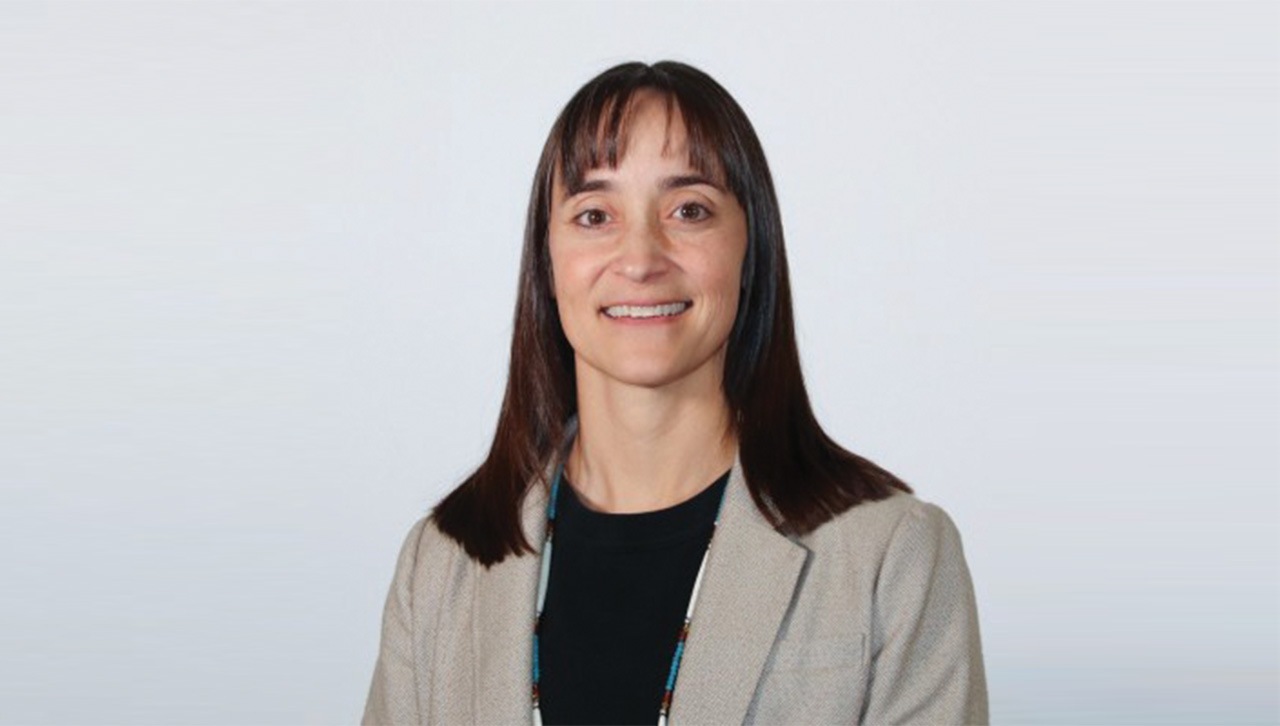
Arizona Department of Gaming Director Jackie Johnson joins Global Gaming Insider’s Kirk Geller, discussing how her Tribal upbringing has influenced her journey and approach to regulation.

Walk me through your early years growing up on the Flathead Reservation, and as part of the Confederated Salish and Kootenai Tribes in Montana?
My dad was a PE (physical education) teacher and I have two older brothers, so from a very early age sports was my life. I played all kinds of sports. My mom was a postal carrier, always aware of the dynamic between Tribal jurisdiction and state/local jurisdictions. That all came to light as I got into law. I went to do undergrad at Dartmouth College in New Hampshire, which is where I first took an Indian law class and learned about the Indian Gaming Regulatory Act. Once I got interested in wanting to study law, I went to school at the University of Michigan and was involved in the Native American Law Students Association there.
I then found my way back west because I wanted to work with Tribes doing economic development and become a transactional attorney. I never wanted to be a litigator. I was a trained mediator in law school, so very much about collaboration and bringing parties together to come to solutions. I found my way to Arizona knowing there are a lot of Tribes out here I could work with. At the Department of Gaming, the breadth of what we regulate is very wide.
Did your initial interest in gaming stem from your early sports background, or as you gained knowledge at Dartmouth?
Back home, our Tribe has a casino in the town I grew up in. I guess I wasn’t as aware as a kid about what gaming entails, so I was definitely more sports heavy at a young age. Once I got to college, and then of course law school, I became interested in learning about gaming and how the Indian Gaming Regulatory Act came to be. Believe it or not, when I first started practicing law in 2008, I did more transactional work – and it wasn’t just for Tribal communities.
I was part of a real estate group at a large law firm in Phoenix, so I didn’t get introduced to gaming until I moved to a boutique law firm in 2013. There, the firm solely represented Tribes and was doing economic development work. I covered housing, infrastructure projects, rights of ways – but that also led to Tribal gaming. There was a partner I worked with that had been in Tribal gaming since its inception in Arizona with the very first compacts, so I learned a lot from him about the history of gaming and the dynamics between the state and Tribes.
I really got the foundation and the chance to see, whether I was working on gaming matters or other economic development projects, the positive impact of Tribal gaming revenues on local communities. For me, that solidified that this is a worthwhile and important area. You can have physical examples of how these projects helped with education, housing, infrastructure and healthcare. Seeing the positive impact of gaming on local communities early in my career had a large influence on where I am today.
Are there any Tribal cases from your legal background that stood out prior to your career with the Department?
I was representing a Tribe in 2021 and working on their gaming ordinance. Arizona Tribes and the Governor at the time signed an amended Tribal gaming compact in 2021, and I was a part of the Tribal group that worked with the Department of Gaming. I spent about 10 years working across the table from the Department of Gaming on various regulations, then it really ramped up when there were negotiations regarding the 2021 compact.
We had a group from the Department of Gaming and the Tribes that were working to put new regulations in place for new games under the compact, as well as trying to streamline some other outdated regulations. That propelled me into how I was found for this position three years ago.
How did it feel being appointed as Director of the Arizona Department of Gaming, especially being the first woman to do so and as a lifelong Tribal member?
It was humbling. I never thought I would get a call like that. I always tell people I was an attorney that just kept my head down and did my work, but I also felt it was important and that I could do the job because I’ve been working in gaming for a decade. I think what was very helpful is that I didn’t just work on regulation, we always had casino representatives there as well.
I do have a really good perspective and experience in this area, so I was extremely honored and excited. It’s been very interesting. Every day is different and very challenging, but I’ve really enjoyed my time.
I’m not sure I necessarily experienced any pushback because I’m a woman or Native. I think I’ve been able to let my experience in the legal career speak for itself, and I’m also very open, collaborative and transparent with people
Were there any challenges you came across when building your reputation as a female leader in the space?
To an extent. Some of it is youth, as well. Not that I’m super young, but some people think I’m younger than I am. The gaming industry, historically, and same with the legal industry, is more male dominant and older. I was used to working with gaming attorneys that have been practicing since the 1970s and 1980s, so it’s a little intimidating coming in.
I’m not sure I necessarily experienced any pushback because I’m a woman or Native. I think I’ve been able to let my experience in the legal career speak for itself, and I’m also very open, collaborative and transparent with people. As long as you let the experience and the work do the talking, all the challenges or potential challenges take care of themselves.
Are there any lessons from your upbringing or college years that can be implemented in your current role as Director?
I’ve always seen myself as somebody who brings people together, sits down and can see both sides of things to find resolutions. I feel like that was the case back when I was a kid too! I like to help people come to agreements. When it comes to businesses and priorities for a regulator, state, Tribe or federal entity, I’ve had much experience in all those worlds to help bridge that gap and come to solutions.
Where do you see Arizona’s regulatory landscape heading in 2026?
Great question, I hadn’t thought about this exactly. We’re already in the preliminary stages of starting to plan for our next fiscal year and we’re obviously looking at advancements of where the gaming industry is moving. Whether it’s cashless or crypto, as regulators it’s important we understand these things and are looking at best practices for regulation.
We’re working on some new PSAs that will be rolling out very soon, such as our Too Young To Bet campaign. We have a ‘check your bet’ website we created this past year to educate people about what regulated gambling is and the risks of illegal gambling, which contains all the resources when it comes to problem gambling. And, on a larger scale, we will continue to push forward with public education and consumer protection.