































Relax Gaming CEO Q&A: 15-year journey, AI and what comes next
Global Gaming Insider speaks with Relax Gaming CEO Martin Stålros about the company’s 15-year journey, as well as his vision for Relax’s next phase.

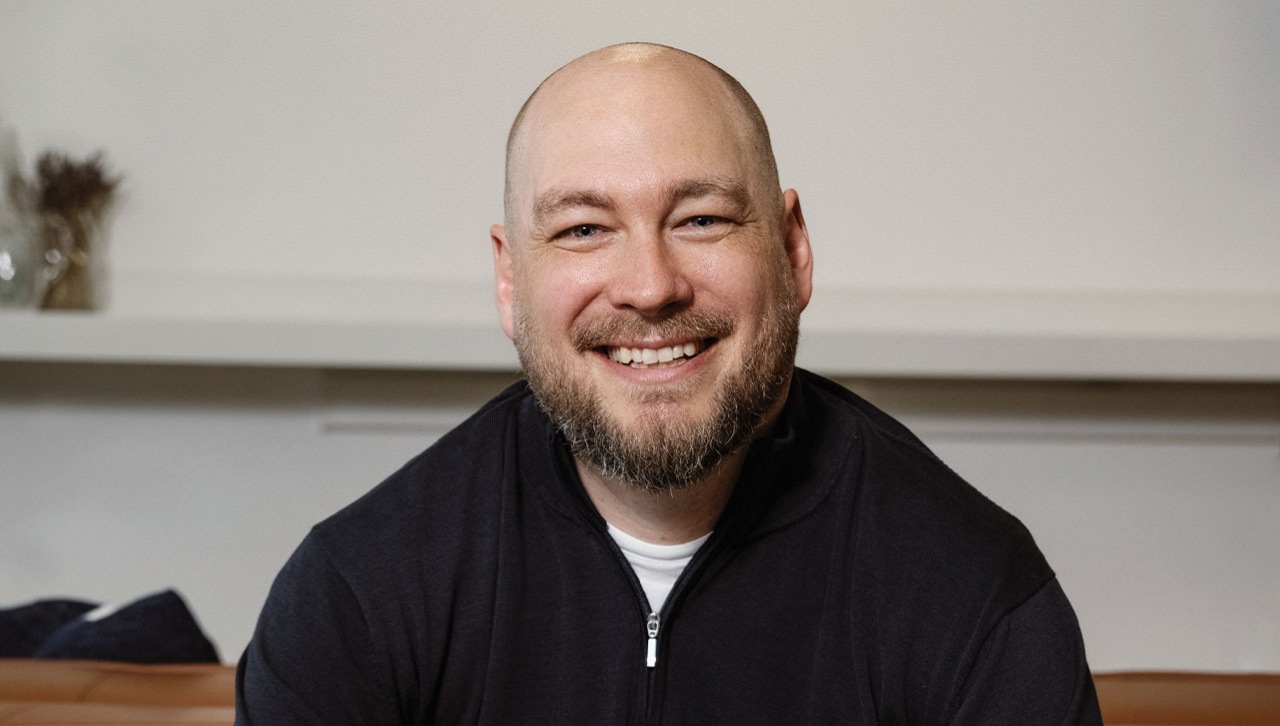
You joined Relax Gaming over a decade ago, when the business had around 30 employees. How has Relax’s strategy evolved as the business has grown?
When I joined Relax Gaming, the company’s core strength was our technical capability – and still is today. During our biggest growth phase, we intentionally became a little more silo-driven because it allowed us to scale quickly across different areas of the business.
Now, as we look ahead to our next strategy cycle, our focus is to connect all of our verticals into one easy-to-work-with solution. It all comes back to those technical foundations we built early on. Today, through a single integration, operators can access our own games, plus more than 7,000 titles through our aggregation platform, as well as our jackpot products and tools like Relax Vantage.
Dream Drop was a defining moment for us because it changed the jackpot landscape, and we’re continuing to build on that success with a new jackpot product called Jackpot X, originally designed exclusively for our partners at FDJ. We’ve also seen great success with Relax Vantage, our all-in-one platform that streamlines the entire integration process for operators and suppliers. So, really, Relax is so much more than simply a games supplier.
Beyond Money Train, how does Relax identify the potential to become long-term franchises rather than one-off releases?
For every title, we monitor the data very closely to understand what genuinely resonates with players and what doesn’t. When we find something we truly believe in, we look at how we can make that experience even better.
It’s not simply a case of saying game one was successful, so let’s make game two. We want to understand what players enjoyed, where the potential for improvement is and how we can enhance the game while staying true to the original DNA.
Money Train is probably the best example of that. The first game wasn’t a raving success, but the data showed us that the core mechanic had potential. That gave us the confidence to develop a sequel and from there it became one of the strongest franchises in the industry.
Players will eventually become tired of seeing the same mechanics repeated over and over again, and throughout the next few years we’ll start to see a switch to more thoughtfully designed, handcrafted games
How does Relax balance its own content development with third-party partnerships?
Strategically, we look to find the right balance of new and exciting studios, but we also want proven studios that already have an established fan base. At the same time, we’re examining product verticals where partnerships can strengthen areas that we don’t already cover ourselves.
The benefit for operators is that they can access a broad offering through a single integration. This ties back to what I mentioned earlier. We’re increasingly positioning Relax as a multi-product supplier, so operators don’t just integrate with us for slot games, but gain access to a much wider ecosystem.
How do you see player expectations changing over the next few years?
One trend we’ve seen over the last few years is reworks and games that are very similar to what’s already available on the market. The problem here is that these games tend not to offer much depth to the player experience. Also, with AI and automation becoming more accessible, it’s naturally becoming easier for suppliers to create that kind of monotonous content that fails to stand out.
That doesn’t mean AI isn’t important. In fact, it’s quite the opposite. AI has enormous potential to improve efficiency throughout the game development lifecycle. It can speed up certain parts of the process, giving our teams more time to focus on innovation. For me, AI should be helping us improve quality rather than simply increasing quantity.
My belief is that the industry moves in cycles. Players will eventually become tired of seeing the same mechanics repeated over and over again, and throughout the next few years we’ll start to see a switch to more thoughtfully designed, handcrafted games.
Looking ahead, what are the biggest lessons from Relax Gaming’s growth journey that will shape the company’s next phase?
Looking ahead, we’ll keep doing what we’re doing, just better. We’ll continue expanding our product offering and will look to grow in markets where we see real long-term potential, particularly across North and Latin America. We’ve spent a lot of time getting ourselves ready technically for that next phase, so it’s exciting to see those plans starting to come together.