Digitain
 Z-Gaming
 ONLYPLAY
 DYG
 GammaStack
 1spin4win
 Euro Games Technology
 Galaxsys
 JDB Gaming
 Linebet
 DATA.BET
 Global Gaming Awards
 AMATIC Online
 Imagine Live
 SPAYZ.io
 BetConstruct
 Makeberry Affiliates
 SmartSoft
 Titans
 Bally’s Intralot
 GR8_TECH
 Logifuture
 bet365 Partners
 N1 Partners
 01.tech
 GammaSweep
 Vegangster
 GammaPlus
 ReferOn
 OMNIPLAY
The Government expects the tax on player winnings to generate an additional €100m ($114m) in revenue.
Spain has introduced a unified gambling deposit limit across all licensed operators, replacing operator-specific caps with a centralised system designed to strengthen player protection and oversight.
Latin America remains one of gaming's biggest growth stories, but rising taxes, tougher regulations, and increasing competition are forcing operators to rethink where they invest. SBC Summit will examine where the region's strongest opportunities now lie through its dedicated Latin America track.
Sweden’s gambling regulator has begun a new supervisory review focused on how licensed operators monitor the ongoing suitability of registered gambling agents and their compliance with anti-money laundering requirements.
The Curaçao Gaming Authority has unveiled a comprehensive set of cryptocurrency compliance requirements for licensed gambling operators, with businesses given until mid-2027 to fully implement the new measures.
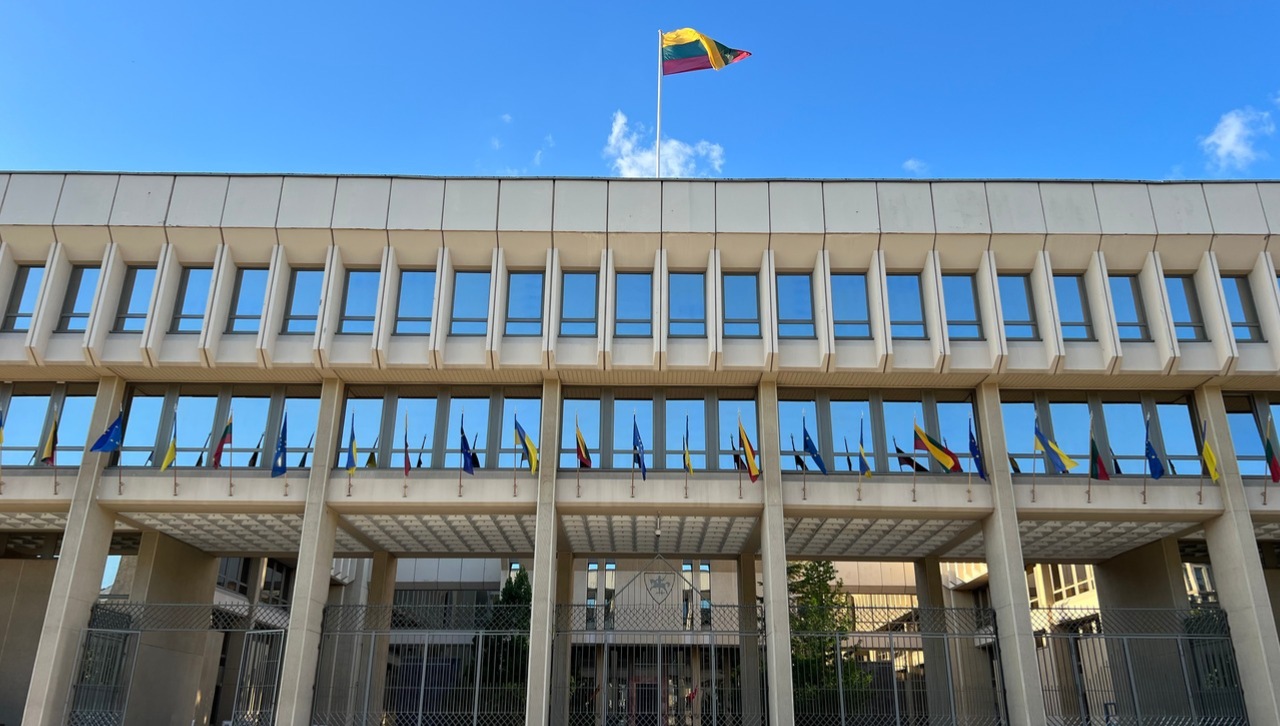
The Lithuanian Special Investigation Service assessed progress on 18 recommendations issued to the Gambling Supervisory Authority and the Ministry of Finance in April 2025.
New rules will allow authorities to hold influencers, brands and payment companies accountable for supporting unauthorized betting operators.
As Global Gaming Insider reported yesterday, the Irish Government is proceeding with its 30-point action plan aimed at strengthening anti-money laundering measures across the gambling and cryptocurrency sectors.
The Lithuanian Government has backed plans to introduce mandatory player cards and ban cash payments in gambling venues.
Reports suggest the Irish Government plans to strengthen regulation of gambling operators and cryptocurrency investment firms, expand enforcement powers for supervisors and impose stricter penalties for breaches.