




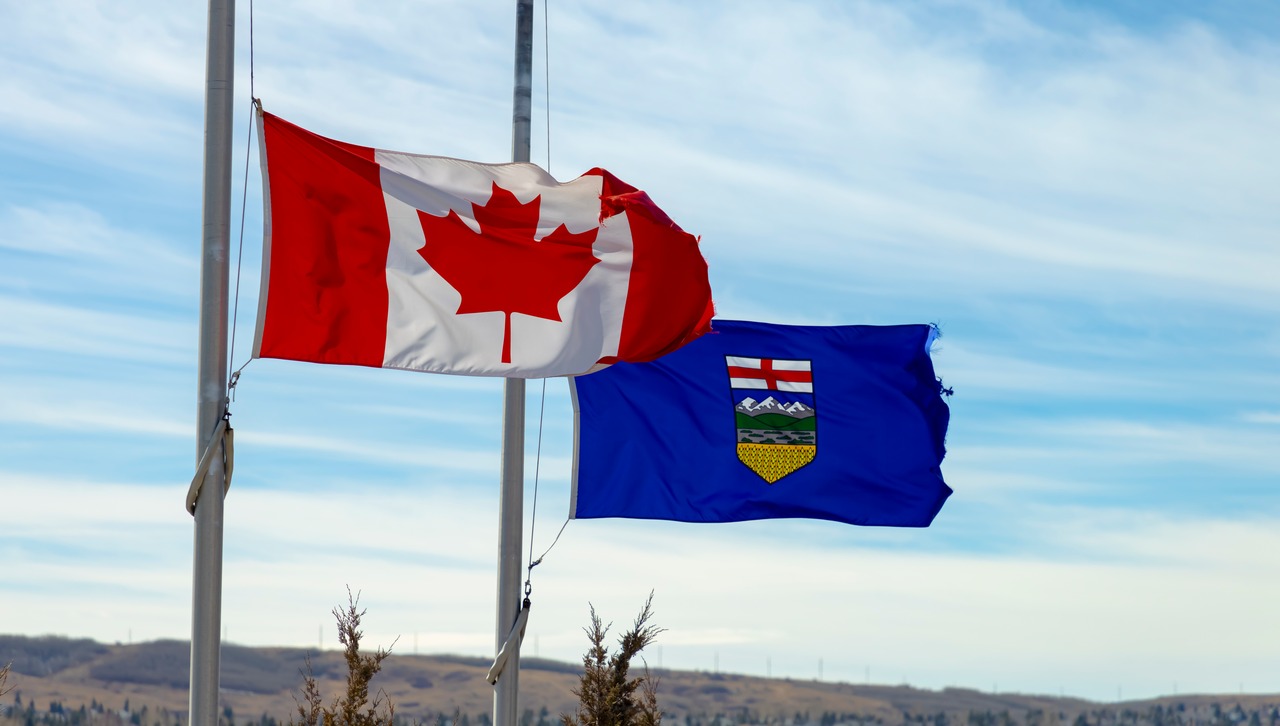
Over the past four years, Ontario has stood as the only fully regulated iGaming market in Canada, representing a Jon Snow-esque scene of solely holding off competition from the US and LatAm regions in North America. In July 2026, however, the province was joined in online gambling combat by Alberta, creating new opportunities for operators, suppliers and affiliates across the iGaming space.
For affiliates especially, finding ways to navigate a new breadth of marketing possibilities could spell wonders for those able to collaborate with top-performing operators. Coming off a 2025 in which Brazil served as the fresh commodity in iGaming, focus shifts north where Alberta’s market introduced the likes of FanDuel, DraftKings and BetMGM alongside more than 50 requests for licensure.
Where the affiliate eye should lie in Alberta
Unlike its Ontario counterpart, Alberta chose to forego a graduated rollout of operator launches in favor of opening the doors for all newcomers looking to enter the province. The unprecedented introduction of online gambling activity serves as the perfect roadmap for affiliates to enter the scene, as operators will be highly motivated to direct funds toward customer acquisition and search campaigns.
Affiliates are in pole position to utilise Alberta’s launch for new revenue growth
A slower approach to determining which operators would be able to begin conducting business in Alberta may have created more competition among affiliates themselves, whereas the path chosen creates a greater need to generate consumer interest from the get-go. Whether it’s FanDuel and DraftKings battling for top position or operators such as BetMGM, bet365 and Caesars Sportsbook looking to find their way onto the podium, affiliates are in pole position to utilise Alberta’s launch for new revenue growth.
Through advertising pre-registration offers, welcome bonuses and user sign-up promotions, affiliates have a multitude of strategies to provide operators with customer acquisition capabilities. With great power comes great responsibility, though, as affiliates must also stay aware of the new regulations introduced as part of Alberta’s iGaming market launch, especially those focused on advertising and promotional materials.
Contained exposure, uncontained potential
According to Alberta iGaming Corporation (AiGC) CEO Dan Keene, protecting those who can be easily affected by online gaming remains the focus for regulators: "Limiting youth and vulnerable people’s exposure to gambling advertising is a priority for AiGC. No advertising system is perfect, but our aim is to keep that exposure as low as possible."
New regulatory frameworks require that advertising in Alberta not be steered toward individuals under the age of 18, as well as any residents who have already joined the province’s self-exclusion list. Perhaps most importantly, the framework states that “advertising and marketing materials that communicate inducements, bonuses or credits are prohibited,” although pre-approved registered sites would not be penalised for such promotions.
The launch in Alberta sparks new momentum for iGaming during what has been a tepid approach to the vertical from US markets
Having been able to track Ontario’s iGaming successes and hardships over a near half-decade tenure up to this point, regulators in Alberta are no stranger to the challenges which can persist through uncontrolled gambling advertisements. While affiliates will be scratching at the door to work with operators for customer acquisition purposes, those same organisations will need to balance their desire with a similar need to protect vulnerable parties in Alberta.
What the future holds for affiliates, Canada & iGaming…
Ultimately, the launch in Alberta sparks new momentum for iGaming during what has been a tepid approach to the vertical from US markets. While Maine brought the number of US states which offer regulated iGaming to eight in January, it’s difficult to expect further traction even while lawmakers search for new means of generating higher tax revenues.
After witnessing new growth in LatAm as well, affiliates may be better off focusing on non-US strategy until the country shows a greater desire to expand online gambling regulation. With Ontario and Alberta off to the races, notable provinces such as Québec could also look to finally allow private companies to obtain iGaming licences in the years ahead. Some industry groups have already shared aspirations of opening the market, believing Québec loses out on an estimated $300m in annual taxes by restricting iGaming activity.
It’s clear iGaming will find ways to expand in North – and South – America even if the US remains on the sidelines until the country’s next election cycle. Affiliates only need to wait until the next cycle of iGaming inspiration, however, with Alberta marking the most recent phase of online gaming growth until a new entrant eventually joins the fray.