





























Unpicking Africa’s sustainability journey so far
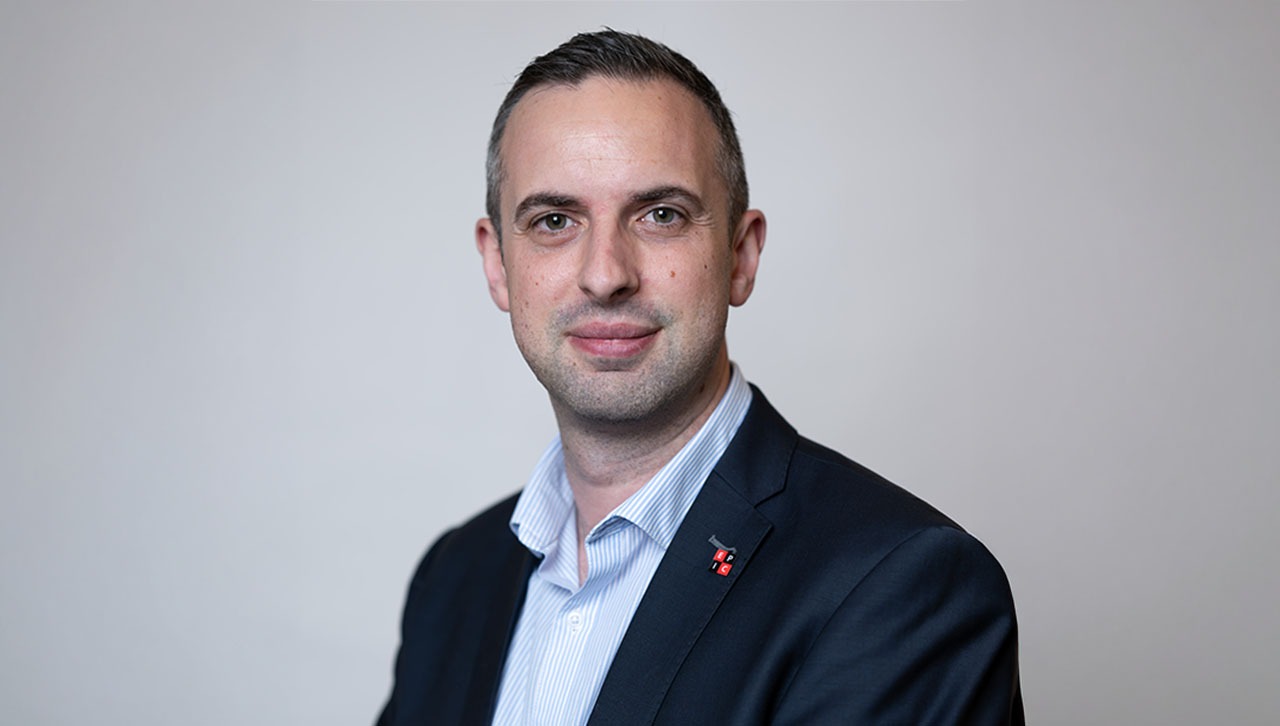
EPIC Global Solutions’ Principal Consultant Dan Spencer analyses harm prevention strategies, the diversity of progress and challenges facing safer gambling across Africa.

Africa’s gambling sector is expanding rapidly, representingexciting new markets that have ultimately been enabled by widespread smartphone adoption, affordable data and the integration of mobile money into everyday life.
This growth has created new opportunities for operators and governments, but it has also heightened the need for effective player-protection measures. The current state of safer gambling across the continent is therefore defined by a dual imperative: building sustainable industry while ensuring consumers are adequately protected. Like all new markets that came before it, we have an opportunity to create a fair, safe and enjoyable industry… will we take it?
The rise and rise of mobile
The rise of mobile betting has introduced gambling to millions of first-time customers. In maturing regulated markets such as Kenya and Nigeria, sports wagering is now accessible at any time through mobile devices and digital payment platforms. This accessibility underscores the importance of embedding safeguards from the outset, including deposit limits, self-exclusion tools and clear information about the risks associated with gambling.
Regulators across many African markets are increasingly recognising that player-protection frameworks must be tailored to local circumstances rather than copied wholesale from mature European markets. In South Africa, provincial licensing authorities continue to refine responsible-gambling requirements, while Kenya has periodically reviewed advertising standards and youth-protection measures. The consensus here seems to be that we need to meet the players where they are, fine-tuning to local culture, preference and digital platform adoption behaviours.
Collaboration beyond the industry itself remains essential
The role of technology
Technology is also becoming a key enabler for safer gambling. Leading operators and suppliers have demonstrated how behavioural analytics can help identify customers who may be at risk of harm and trigger timely interventions. These technologies and expertise are slowly migrating to cover the African market and, as mobile channels dominate across Africa, the integration of such tools offer significant promise.
Collaboration beyond the industry itself remains essential. The longstanding work of the National Responsible Gambling Programme in South Africa illustrates the value of combining public awareness campaigns, treatment services and research. Partnerships among operators, regulators, sporting bodies and community organisations can help ensure that prevention messages are culturally relevant and widely accessible.
Finally, governments face the challenge of balancing the economic benefits of a growing gambling sector with the need for robust consumer protections. Tax revenues and employment are important outcomes, yet the long-term health of the industry depends on maintaining public trust and minimising gambling-related harm.
Learning from the present
Lessons must be learned from recent market expansion – and there is plenty to take note of. As a consultant in the safer gambling space, I’m seeing lots of enquiries into what works and what doesn’t, which is reassuring and shows the desire to learn and adapt. Localisation in safer gambling practices is particularly interesting and should yield some insightful case studies as things evolve.
The future of safer gambling in Africa will likely be shaped by locally informed regulation, responsible use of technology and sustained collaboration among all stakeholders. By embedding player protection into the foundations of market growth, African jurisdictions have the opportunity to build gambling sectors that are both commercially successful and socially responsible.