
















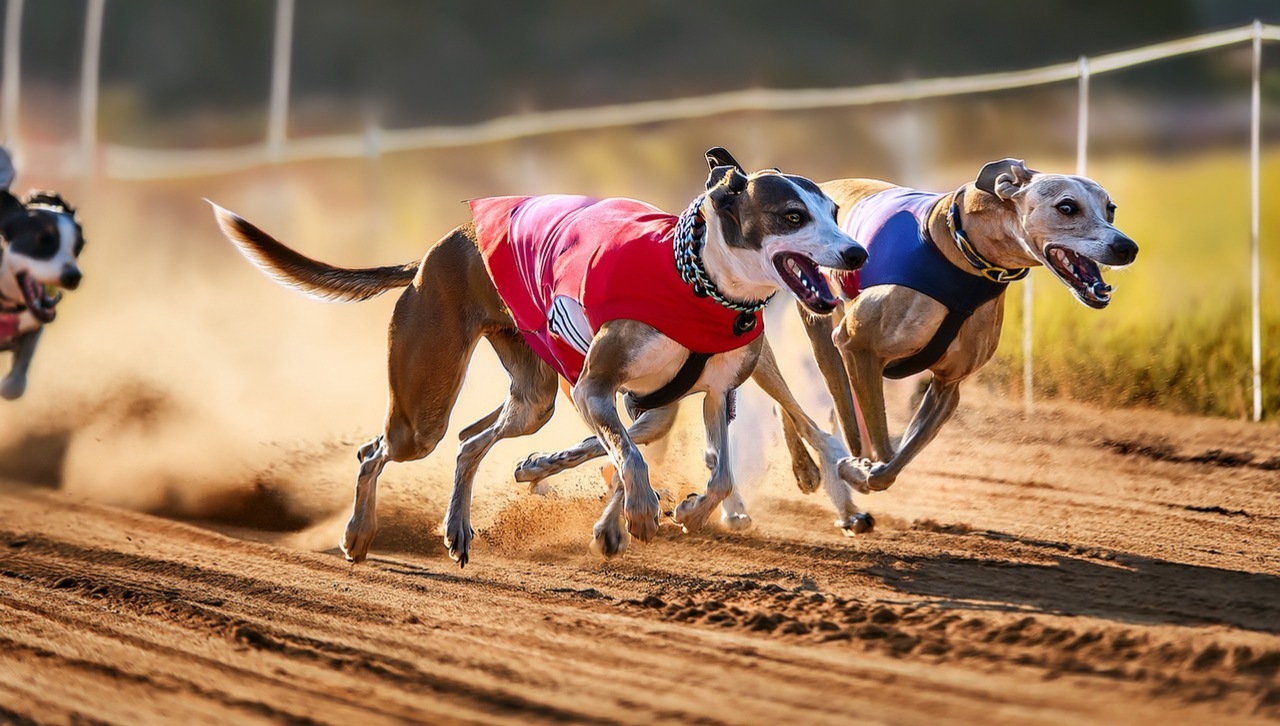
The Greyhound Board of Great Britain (GBGB) has issued a statement stating it will be contacting individuals, organisations and publications that are using greyhound racing statistics incorrectly.
Moreover, the regulator will be keeping a "public tally" of the organisations and publications contacted. The policy will cover data about animal welfare, injuries, fatalities, retirement, participation and economic impact.
The GBGB won't be challenging solely incorrect figures, it will also be looking at the misleading presentation of statistics, whether it is through selective comparisons, incorrect definitions or missing context.
Abbie MacGregor, Director of Corporate Affairs at GBGB, said: "Statistics shape how people understand greyhound racing and how politicians make decisions about its future.
"There is a responsibility on anyone using those figures to check what they mean and present them accurately; using an incorrect figure, describing every recorded injury as serious, comparing incompatible figures or presenting an unknown outcome as a confirmed death can fundamentally distort what the evidence shows.
"We will write directly to those who use either incorrect data, misleading data, or data with evidence gaps, explain the error, and ask for a visible correction. Where a publication has repeated an incorrect claim, we will take it up with the publication too.
"Members of the public deserve accurate information, and politicians need reliable evidence on which to base their decisions. Organisations seeking to influence either should expect their claims to be scrutinised. If an organisation has repeatedly been asked by the regulator to correct misleading statistics, how much confidence can politicians and the public place in what it says? People deserve to know that history and judge for themselves.”
The regulator will create a public register where organisations and publications will be listed after having been given enough time to respond.
Recently, the Racing Post announced it would no longer provide general coverage of greyhound racing. The publication's Editor, Tom Kerr, pointed to the successive tax rises to betting shops as the main reason for halting their coverage.
In November, the Office for Statistics Regulation demanded that the Gambling Commission make improvements to its consumer survey after concerns were raised of potential bias in statistical releases