



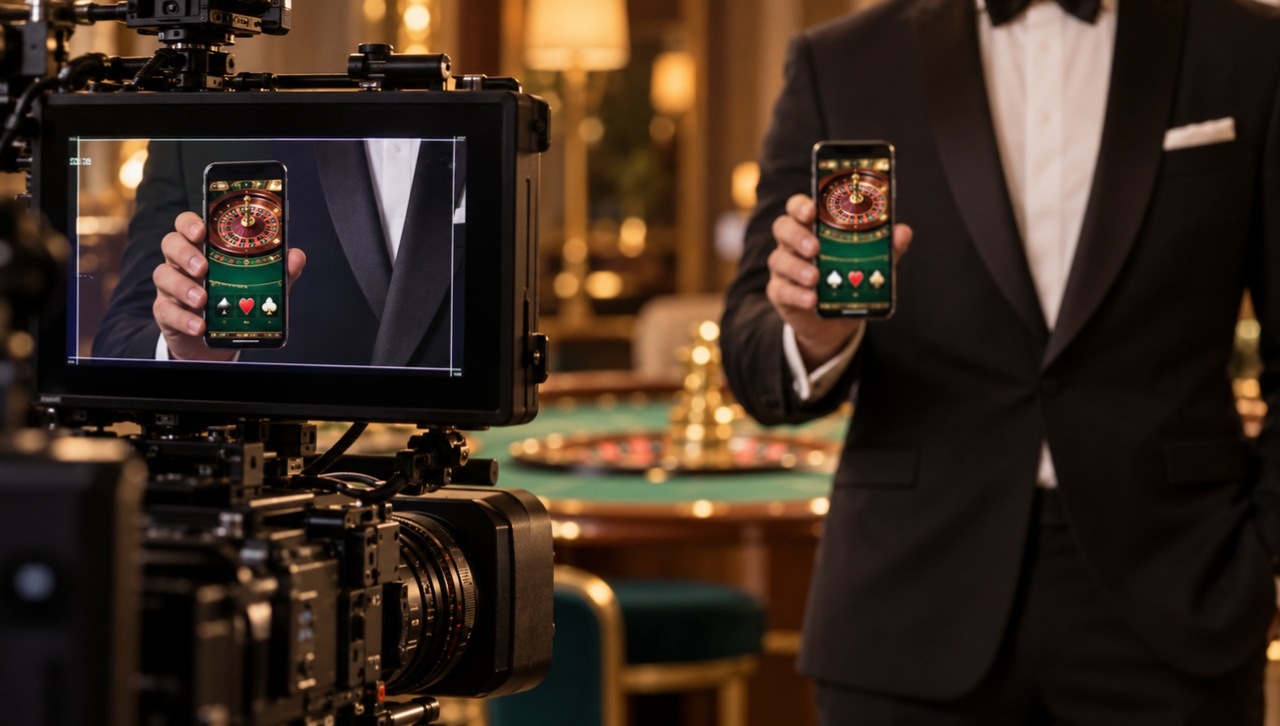
Kendall Jenner fronted Fanatics Sportsbook’s Super Bowl ad this year, inviting Americans to bet against the “Kardashian curse”, the internet joke that athletes who date a Kardashian stop winning.
Kalshi and Polymarket couldn’t buy airtime. The NFL had put prediction markets on its banned list alongside pornography, firearms and tobacco. So they opened markets on the commercials instead. Kalshi’s drew tens of millions of dollars in trading.
It was a fair snapshot of American betting advertising in 2026. Kevin Hart sells DraftKings. Jon Hamm fronts BetMGM. FanDuel had Rob Gronkowski attempt a live field goal at two Super Bowls. He missed both.
Prediction markets are building their own celebrity rosters: LeBron James for Polymarket, Sydney Sweeney as a shareholder in Novig and Lionel Messi promoting Kalshi through Argentina’s national team.
Much of this would struggle to get past an advertising regulator elsewhere.
Across the border
Ontario banned public bonus advertising when its regulated market opened in April 2022. In February 2024, it barred active and retired athletes from gambling ads, except those promoting responsible gambling. Wayne Gretzky and Connor McDavid, once familiar faces in betting campaigns, were out. Other celebrities are restricted if they are likely to appeal to children.
One PR agency estimated that US gambling companies spent about $520m on celebrity and athlete deals in 2025, compared with $60m on responsible gambling
The UK uses a similar audience test. Since October 2022, gambling ads cannot feature anyone with strong appeal to under-18s. In May, the Advertising Standards Authority ruled against an ad featuring Harry Kane and Erling Haaland but cleared one with Thierry Henry, whose following among British teenagers was small enough to pass.
Germany excludes active athletes from sports-betting ads. Australia is banning wagering deals with any “notable person” from 2027. Belgium goes further: gambling ads cannot show a human being or use a famous voice. Regulatory guidance leaves room for an animal, a silhouette or an unidentifiable hand.
What actually sells?
Ontario offers a useful comparison because it restricted bonuses and athletes at different times.
In October 2023, between the two bans, researchers working with the University of Bristol recorded more than 4,000 gambling messages across seven NHL and NBA broadcasts and operators’ social feeds. None advertised a bonus. Celebrities still appeared, mostly in content designed to look like sports coverage.
My own data offers another angle. In my last column, I examined which US sportsbook ads ran longest on Meta. None featuring a famous face lasted the quarter. The longest-running ads put the offer in the first frame.
For those campaigns, the bonus appeared to do the selling. Television gives celebrities a different job: making a brand familiar before the viewer is ready to sign up.
Prediction markets buy in
Some of the biggest new celebrity deals come from companies that say they are not gambling businesses.
Kalshi, Polymarket and Novig operate under federal financial regulation rather than the state rules governing sportsbooks. That distinction is being fought over in court. Federal appeals courts reached opposing conclusions this year on Kalshi’s sports contracts, leaving the regulatory position unsettled.
A fair snapshot of American betting advertising in 2026. Kevin Hart sells DraftKings. Jon Hamm fronts BetMGM. FanDuel had Rob Gronkowski attempt a live field goal at two Super Bowls. He missed both
Their choice of stars is telling. Alongside Messi and LeBron, Giannis Antetokounmpo took shares in Kalshi. Ownership gives an endorsement a personal stake, though it can also make a promotional post look more like an opinion.
The financial framing only goes so far. Asked on 60 Minutes what Polymarket is, chief executive Shayne Coplan called it “a site where you can basically bet on current events.”
An expensive local strategy
One PR agency estimated that US gambling companies spent about $520m on celebrity and athlete deals in 2025, compared with $60m on responsible gambling. The agency has services to sell, so those figures deserve caution.
A 2025 experiment with 383 American sports bettors found something stranger: people shown an ad with a well-matched celebrity reported noticing a responsible-gambling message even when there wasn’t one.
The rules can change in either direction. Spain’s Supreme Court struck down its celebrity ban in April 2024 because it lacked a proper legal basis. Two attempts to restore it have yet to produce a law.
For anyone making campaigns across borders, that leaves an expensive constraint. A star athlete may carry a US campaign, but the same ad cannot run in Toronto or Brussels and may fail the UK’s audience test. Buy the famous face, and you may also be buying the need for a second campaign.