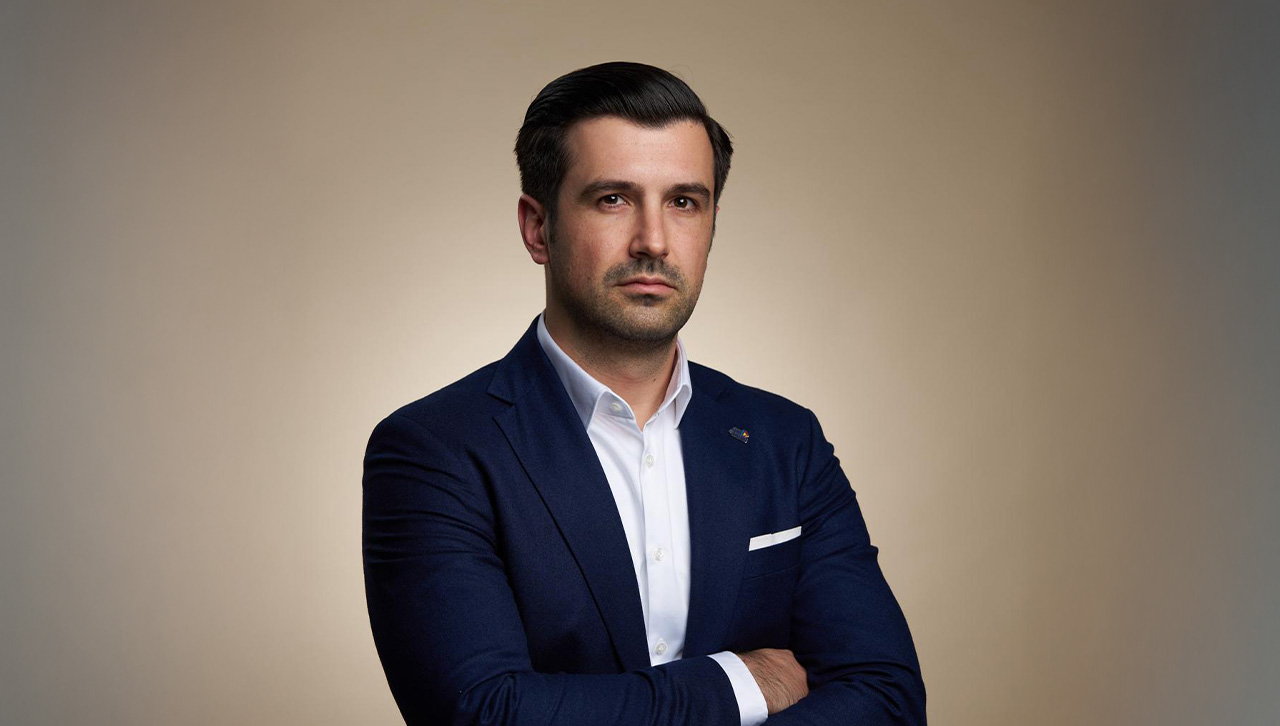







The Gambling Commission has confirmed that Andrew Rhodes will leave his role as CEO at the end of April, bringing to a close nearly five years at the helm of Britain’s gambling regulator.
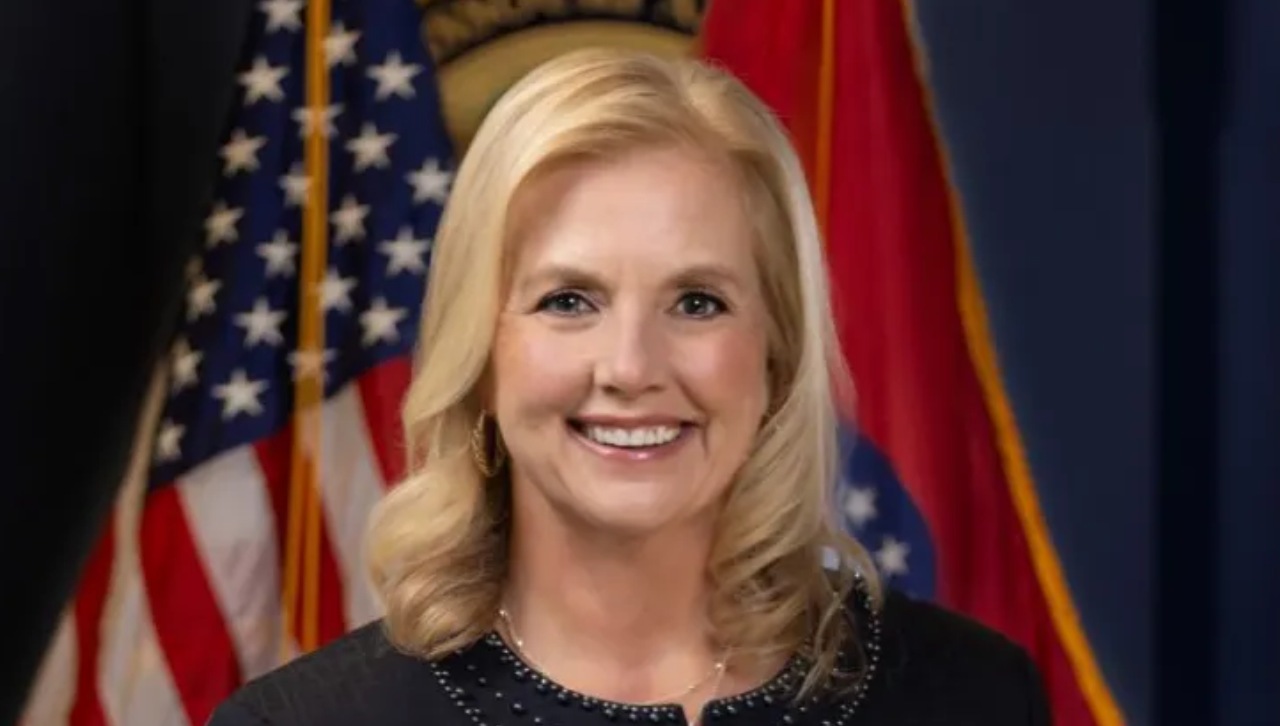
Rhodes’ departure comes during a period of transition for the Commission, with an Interim CEO set to be appointed and Deputy Chief Executive Sarah Gardner assuming additional responsibilities in the interim.
Charles Counsell remains in place as Interim Chair following Marcus Boyle’s departure in January 2025.
How, then, will Rhodes be remembered at the Gambling Commission?
Taking the helm during a period of pressure
Rhodes joined the Commission as CEO in June 2021, arriving from a long career within the Civil Service that included senior roles across multiple government departments.
He stepped into the position at a time when the regulator was facing mounting political, media and public pressure, with gambling reform rapidly climbing the policy agenda.
Reflecting on his time in office, Rhodes said: “It has been a privilege to lead the Gambling Commission through such an important period of change.”
He added that he was “proud of the progress we have made to strengthen regulation, improve consumer protections and ensure gambling is safer and fairer.”
From the outset, Rhodes made it clear that incremental change would not be sufficient. The Commission adopted a more assertive regulatory posture, increasing enforcement activity and placing greater emphasis on governance, accountability and operator culture.
Oversight of the Gambling Act review era
The most defining chapter of Rhodes’ tenure was his leadership during the government’s review of the Gambling Act 2005 and the subsequent reform programme.
Although legislative responsibility sat with government, the Commission became central to implementing policy changes. These included preparations for online slot stake limits, enhanced affordability checks, tighter advertising rules and increased scrutiny of both operators and suppliers.
Rhodes consistently framed the reforms as necessary modernisation. He argued that regulation had to reflect how gambling products were actually being used, particularly in online environments where speed, accessibility and intensity had changed consumer behaviour.
The regulator’s approach attracted both support and criticism. Some stakeholders welcomed firmer oversight, while others warned of unintended consequences for the regulated market. Rhodes acknowledged that tension openly.
In a Global Gaming Insider interview earlier this year, he said: “Throughout the four and a half years I’ve been in the job, there’s been a constant commentary.”
He added that leading the regulator required resilience, noting that the role “does take a thick skin.”
A sharper enforcement culture
Under Rhodes, the Gambling Commission became more visible and interventionist. Financial penalties increased in scale, public enforcement statements became more detailed and senior management accountability within licensed businesses was repeatedly emphasised.
The regulator also focused on internal capability building. Investment in data and intelligence expanded and the Gambling Survey for Great Britain was launched to provide a more robust evidence base for policymaking and harm assessment.
Rhodes argued that trust in regulation depended on transparency and consistency, particularly in an industry facing ongoing scrutiny. He maintained that strong enforcement was not optional, but essential to maintaining confidence in the regulatory system.
Leadership style and internal confidence
Despite the pressure surrounding the role, Rhodes has expressed confidence in the organisation he leaves behind. “I leave with confidence in the organisation, its people and the work still to come,” he said in his departure statement.
That confidence has been echoed by the Commission’s Board. Interim Chair Charles Counsell described Rhodes’ tenure as transformative, stating: “Andrew has provided outstanding leadership for nearly five years and leaves a strong legacy.”
Counsell added: “He has led the Commission through major reform, strengthened our regulatory approach and ensured consumer protection has remained at the heart of our work.”
How will Rhodes be remembered?
Andrew Rhodes’ time at the Gambling Commission will likely be remembered as a period defined by firmness rather than compromise. He led during years marked by reform, resistance and recalibration, with little scope for quiet progress.
For supporters, his tenure represented long-overdue regulatory resolve. For critics, it marked a challenging shift in how gambling is overseen in Great Britain.
What is clear is that Rhodes leaves behind a regulator that is more visible, more interventionist and operating within a fundamentally changed policy landscape. His successor will inherit an organisation shaped by heightened expectations and an industry still adjusting to reform.
Andrew Rhodes’ tenure as CEO encompassed the implementation of the fourth National Lottery licence and the introduction of the Gambling Survey for Great Britain, both of which are expected to influence UK gambling regulation for years to come