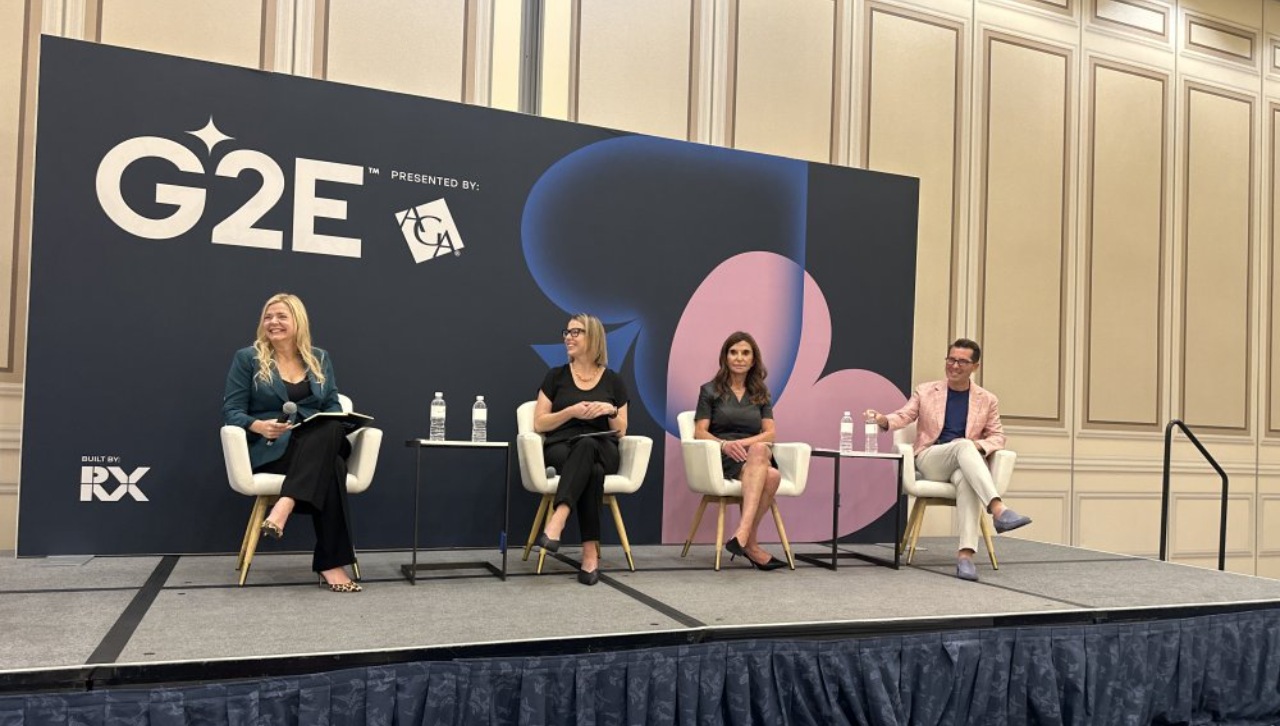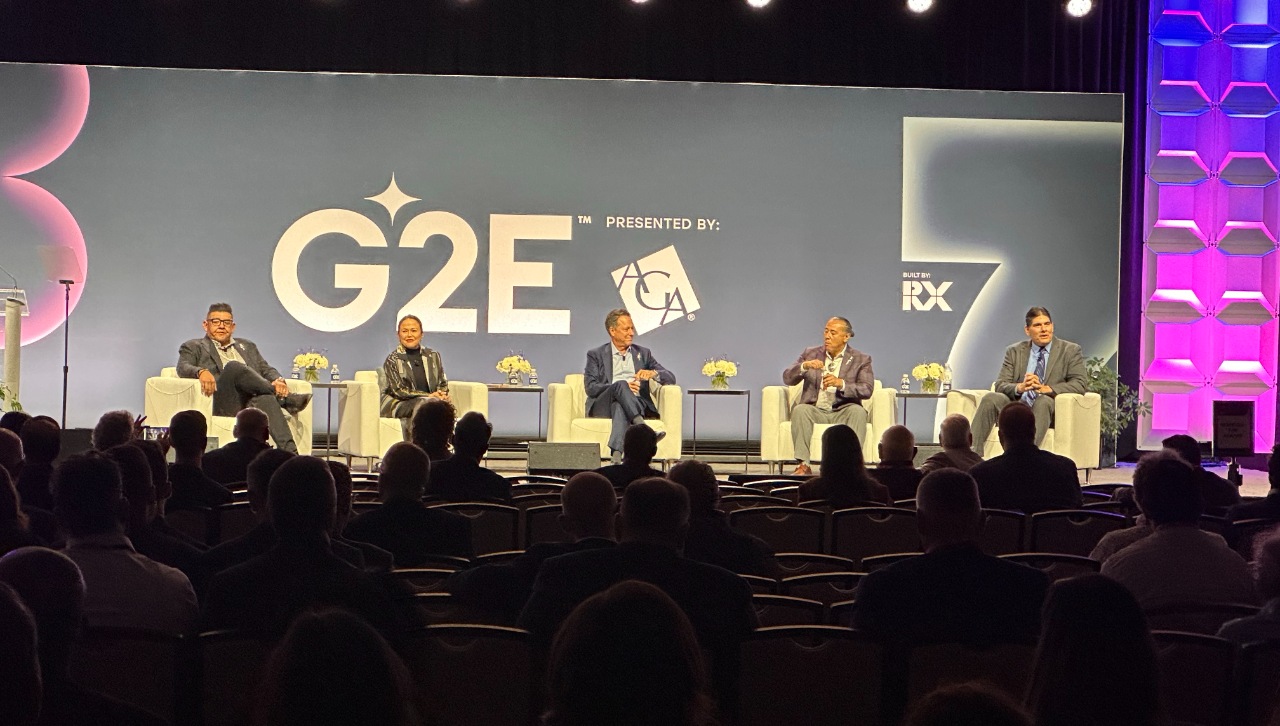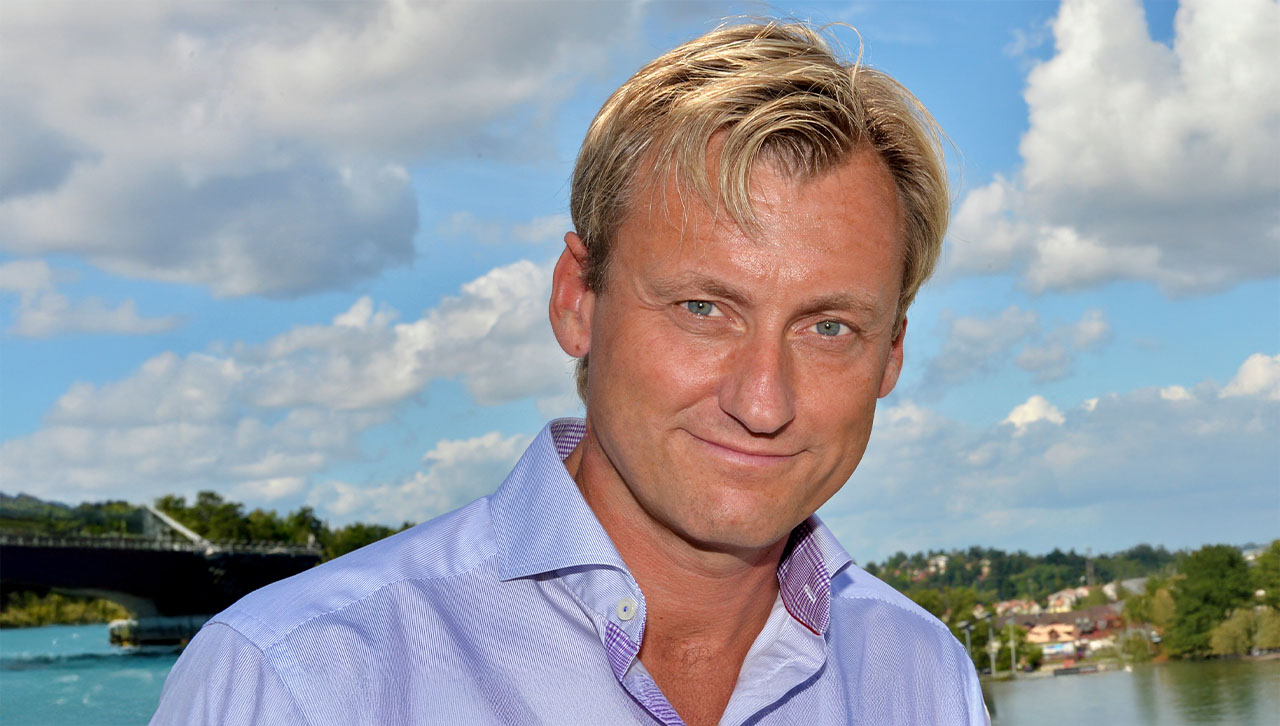
At the SBC Summit in Lisbon, I moderated a panel on UX, game design, player psychology and whether our industry has crossed the line with "dark patterns." Sten Andersen, Chief Innovation & Future Affairs Officer at ATG, was due to speak but unable to attend.
As such, we caught up with him separately – for his views on the topic and what he might have said in an alternate timeline!
Tell us about your (rather unique) job title and what that entails for day-to-day duties at ATG?
My background is as a CEO from marketing agencies and CMO from consumer services. That has taught me an outside-in approach. I am thereby experienced in identifying business opportunities at an early stage and how to develop, prioritise and not least package them. The Innovation part of my title addresses that. One example is that I started working on our AI transformation only a couple of days after the launch of ChatGPT. We soon launched the world’s first horse betting assistant (not just a chatbot!).
The Future Affairs part is more about exploring business opportunities in new markets and sectors. I am a member of the non-executive boards in our subsidiary in Denmark (Bet25) as well as Kanal 75 (Sweden’s biggest sports content producer) and I help out with our launch in Finland; not least in positioning, brand and packaging matters (and of course a bit of AI). I am simply trying to make ready the next big (or small) thing for us.
If you had one piece of advice on how to best design an engaging player experience for today's bettor, what would it be?
Again, I would start outside in. Recommendation engines are fine, but it is still inside-out, although more sophisticated. Try instead to find out what really matters to the customer. I am an Arsenal fan, for instance. Why doesn't every sports betting site start with Arsenal content and bets for me? Find out what really interests and drives the customer, and act on it.
Another well-known trigger is to bet with or against friends. The gaming and betting industry is underdeveloped here compared to several other industries (maybe partly due to regulations). I can give you many examples, but they will all be about emotions and an outside-in perspective. I also think there is more to gain from partnerships outside our own industry.
Having said all this, I'd finally like to turn the perspective around. In some aspects, our industry is actually a good role model. There are many product and services that are very enjoyable but come with some risks. How many of them have as advanced protection programs and tools as we do?
If you worked in another sector, would you use the same tactics? And do you think this would be perceived differently purely because of the industry?
Obviously most other sectors aren’t as regulated as ours, which opens up more opportunities. One example is that it is much easier to work with communities. I nonetheless still believe that most sectors undervalue the social perspectives and often fail to see themselves outside-in. Most companies can do better with balancing relevant content and smoothness/rapidness as well. Too many end up with not very interesting content, and yet it takes way too many clicks to get things done. So, in many ways same challenges but more opportunities due to fewer regulations.
What can gaming learn from other industries?
I think all industries can learn from the other 'gaming' industry; esports etc. Look at how they create communities. Gamers are close friends with people they have never met in real life. They create “currencies” and awards that can be shared. They are experts in co-operating with other sectors; you can e.g. wear Louis Vuitton clothes in games. To an extent, some of them open up to co-create (although Apple may still be the role model). They are way ahead of us, in my opinion.
I also can't help highlighting the “old world” as well. Ray Kroc, Founder of McDonald’s famously said: “It is not about what’s in the burger, but what’s around the burger.” Can you distinguish one igaming/casino site from another, or one sports betting site from the next? If not, it is down to a war of bonuses and odds, all of which lowers margins.
In your opinion and experience, have gambling companies ever crossed the line?
I think we will have to admit to knowing about operators and affiliates that have encouraged people that have been in a certain position, where they should have done the opposite. I would like to think that this only happens in the outskirts of our business nowadays. It is important that everyone in the ecosystem works together on this, from operators to partners and legislators, and that we do this in a manner that supports healthy business and gambling. Regulations are critical so that they benefit the ones with desired behaviour and punish the ones with undesired behaviour or those who don’t have a licence (in markets with licences). Personally, I would welcome a well-thought-through pan-EU regulatory system, where our business has had the chance to feed in. It is very costly for both companies and society as things are today. After all, the challenges are the same.
In addition to that, in VIP programs there will always be a thin line between fair loyalty rewards (as in other sectors) and over-encouraging frequent gamblers. The bottom line is that, even apart from ethics, player protection and care also mean long-term good business:
– Customers that gamble out of control will have lower customer lifetime value.
– Gambling unfortunately has a reputation that sometimes makes things difficult for us:
– There are many banks that refuse to do business with our industry.
– This affects politicians too and sometimes leads to counterproductive legislation.
– As mentioned earlier, I think growth will benefit from partnerships. It is then important that partners feel comfortable with us.
Will your strategy focus on being an entertainment company based on casino and sports? Or will it simply be about being "trading site?" For the latter, smoothness, speed and hassle-free use is key and everything should be designed accordingly
Having said all this, I’d finally like to turn the perspective around. In some aspects, our industry is actually a good role model. There are many products and services that – just like ours – are very enjoyable but come with some risks. How many of them have as advanced protection programs and tools as we do? This is worth more attention, in my opinion.
What will AI's increasing involvement in this area look like in the future?
I have co-led a project “The Future of Internet” with people from WPP, Kairo’s Future, Google, King, Military Intelligence services (!) and many more. It is clear to us that AI agents will be the main interface on the internet soon. I think this will open up a lot of opportunities for both customers and operators. Personalisation will “happen by itself” and respond to any mood you happen to be in. In sports betting, I can see operators both challenge and co-operate with other sports content producers.
I think we can expect more companies within entertainment entering our sector, as well; not least within online casino. I can even imagine that casino operators may take a physical presence through partners as well in a not-so-distant future. AI will probably change the relationship between platform providers (and other suppliers) and operators too in several ways.
Playing Devil's Advocate, if perceptions won't change and AI allows for such advancements... should the industry actually care? And why?
Expectations on entertainment and player experience delivery will change and increase. Not caring means that the industry will lose customers to other sectors that reward similar stimuli to us. Look at how gaming/esports are winning ground, partly on our account.
How can game design, product design and user interface improve in this area – but in the RIGHT way?
Big question. In short, I think it depends on what kind of operator you want to be. AI agents will force you to choose a route. Will your strategy focus on being an entertainment company based on casino and sports? Or will it simply be about being a “trading site?” For the latter, smoothness, speed and hassle-free use is key and everything should be designed accordingly. For the other type of operator, it is about balancing content, gamification, social interaction with being smooth, as well. Overall, I expect the winning trend to be social interaction.
Ray Kroc, who Andersen references, is played by Michael Keaton in the 2016 movie The Founder. It's worth a watch!