
























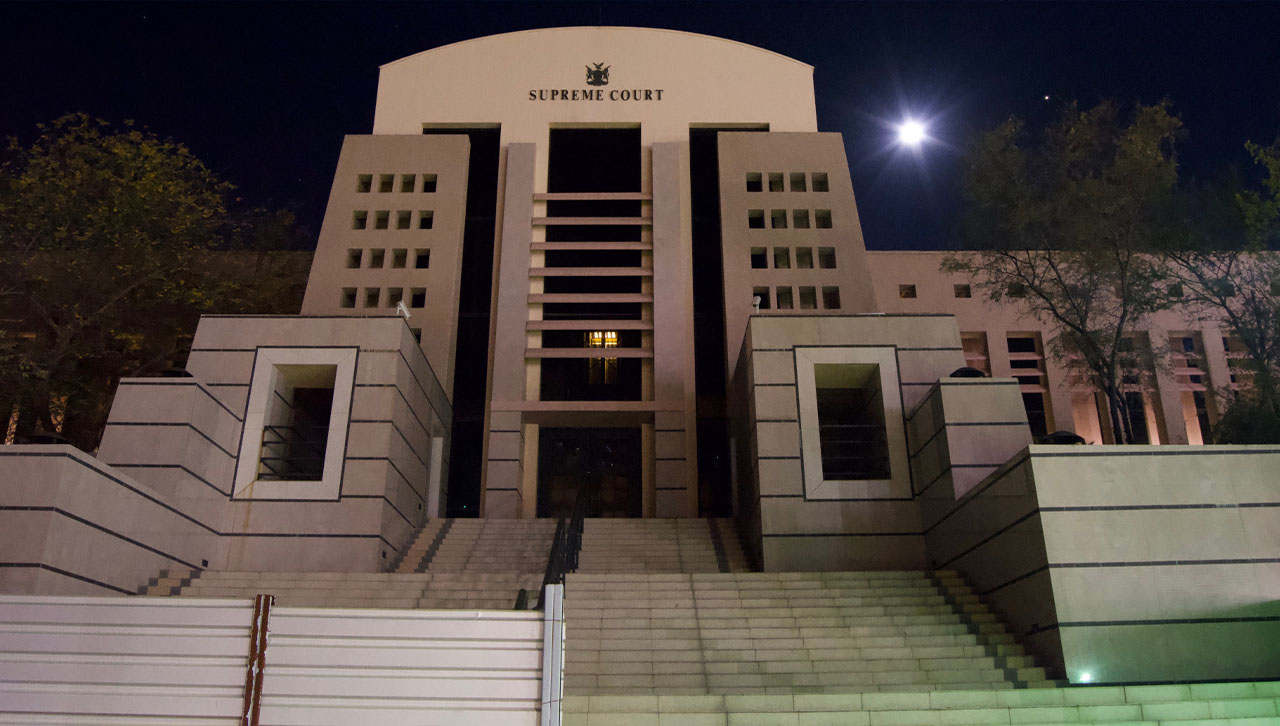
Namibia’s Supreme Court has dismissed an appeal by licensed gambling operators seeking to avoid a 10% levy on gambling income owed since 1 December 2021.
The Namibian reported the ruling on 22 November. It leaves the operators covered by the case liable for payments that have accumulated under the country’s Gaming and Entertainment Control Act.
The Gambling House Association of Namibia and operator Irmgard Fourty CC argued that a 2020 settlement prevented the levy from being imposed while illegal gambling houses remained open.
That agreement followed their complaint that unlicensed businesses were operating without paying taxes, licence fees or levies. It was made an order of the High Court in June 2020.
The subsequent Act replaced Namibia’s 1994 gambling law when it came into force in December 2021. Section 62 requires casino and gambling-house licence holders to pay a levy to the Gambling Board.
The applicable regulation sets the rate at 10% of net monthly gambling income, after winnings paid to players are deducted.
The Supreme Court found that the earlier ministerial undertaking could not remove an obligation later imposed by Parliament. The appeal followed a High Court decision in April 2025 that also rejected the association’s attempt to rely on the settlement.
The new judgment confirms the liability of Irmgard Fourty CC and the association members identified in the proceedings, although it does not calculate what each operator owes.
The dispute also drew attention to enforcement against illegal premises. According to evidence submitted by the association, its members hold about 71 gambling-house licences covering roughly 579 machines.
The association alleged that unlicensed machines outnumber licensed machines by nearly ten to one, leaving compliant businesses exposed to competition from operators outside the levy system.
Appeal judge Esi Schimming-Chase criticised the prolonged failure to enforce gambling laws against unlicensed operators. The court directed its registrar to bring the judgment to the attention of the inspector general of police. That step addresses enforcement concerns separately from the operators’ liability for the levy.
In a separate regulatory development, the Gambling Board said in November that it would pause new bookmaker and totalizator licence applications from 30 November while it processes existing submissions.
The Supreme Court judgment did not establish the total levy owed by any individual operator