
















How has your experience shaped your approach to operational strategy, and what are the biggest operational challenges facing operators today?
Over the years I’ve learned that operations are where strategy either works or quietly fails. A good plan means little if support queues are poorly routed, campaigns aren’t aligned with the lobby, or launches depend on teams that only talk to each other in the final week.
So, my approach starts on the ground: how a process actually runs day to day, who owns it, and where the handovers break. The biggest challenge for operators today is that costs are growing on several fronts at once: acquisition, compliance, provider fees and player servicing.
At the same time, many organisations still work in silos, so each department improves its own area while nobody looks at how they affect each other.
What are the most common operational inefficiencies or hidden costs that can affect an operator’s bottom line?
The most expensive inefficiencies are rarely visible on an invoice. Bonuses are often issued by habit rather than by purpose, rewarding players who would have played anyway.
Content is another one. Operators sign new providers and promotional deals faster than their lobby and categories can showcase them, so a lot of commercial effort ends up behind games players never see.
Then there is support. A large share of contacts are players asking where their withdrawal is or why verification is pending. These are questions the operator could have answered before the player had to ask. Add vendor contracts that renew automatically without anyone reviewing their value, and you have costs that grow quietly alongside revenue.
How should operators decide which functions to keep in-house and which to hand to Managed Services?
Keep in-house whatever defines your brand: the player proposition, bonus strategy, CRM logic, risk appetite and ownership of your data. These are the decisions that make you different from the competition.
Execution-heavy functions are a different story. Round-the-clock multilingual support, payment operations and KYC processing benefit from specialists who run them at scale across markets.
The long-term aim is growth that comes from running the business better, not simply from spending more
The key is to outsource execution, never accountability. Before handing over any function, the operator should be able to describe clearly what good looks like, keep full access to the data, review performance regularly and have a clean way out if needed. Done that way, a managed function can be more transparent than one run internally.
What role do technology, automation and performance measurement play in improving decisions and profitability?
Technology’s first role is to give everyone the same picture of the player: what they play, how they deposit, which bonuses they receive and why they contact support. When each team works from a different source, decisions conflict and nobody sees the full cost of a player.
Automation should then take over the predictable work: notifying players about withdrawal and verification status, routing tickets to the right agent, checking documents, and triggering CRM messages based on what players actually do rather than on a fixed calendar.
Measurement only helps when it leads to action. A small number of well-chosen indicators, each with a clear owner and an agreed response when it moves, is worth far more than extensive reporting that nobody acts on.
Since joining Campeón Gaming, what have been your main priorities?
I started with the areas where value was being lost without anyone noticing. On the commercial side, we’re concentrating effort on the providers that matter most to our players, removing promotional inventory that wasn’t delivering, and making sure along with CRM campaigns point players to the games we actually showcase.
In customer support, we’ve worked closely with the team on queue routing, VIP prioritisation and new contact channels. Above all, we’re moving towards proactive communication, so players are informed before they need to reach out.
The most expensive inefficiencies are rarely visible on an invoice
We’re also reviewing every recurring vendor relationship, and we’ve introduced a shared cross-functional roadmap for launches so that tech, support, VIP, CRM, product, acquisition and communications move together from day one. The long-term aim is growth that comes from running the business better, not simply from spending more.
How is Campeón Gaming combining its technology platform and Managed Services to help operators grow profitably?
Our strength is that we build our own technology and operate it ourselves every day. Every service we offer has already been tested in a live environment with real players. Our platform brings player account, wallet, bonusing and reporting together in one place.
The Templates framework allows new brands to launch quickly without rebuilding the basics, and our CRM integration enables real-time, behaviour-driven engagement.
On top of that, our Managed Services take over the operational workload, while the operator keeps control of strategy, brand and data. Our goal is to help operators grow in a way that is sustainable: leaner operations, faster execution and revenue that turns into real profit.
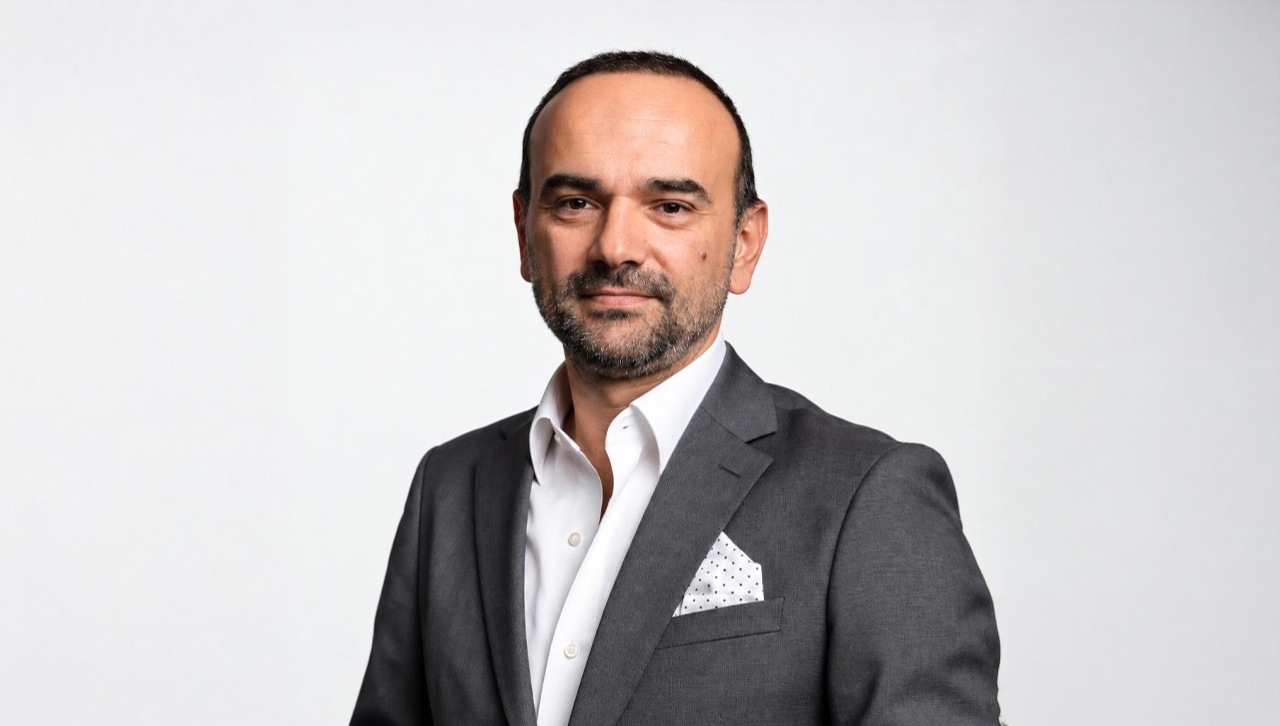
Pappas was appointed in March 2026 and brings over 15 years of business scaling, operational development and strategic performance experience