





























World Cup 2026: The importance of storytelling in gaming
Global Gaming Insider talks all things World Cup with Data.Bet’s Head of Product Stream Petar Ivanov, exploring localisation, bet builders and why storytelling is the key differentiator

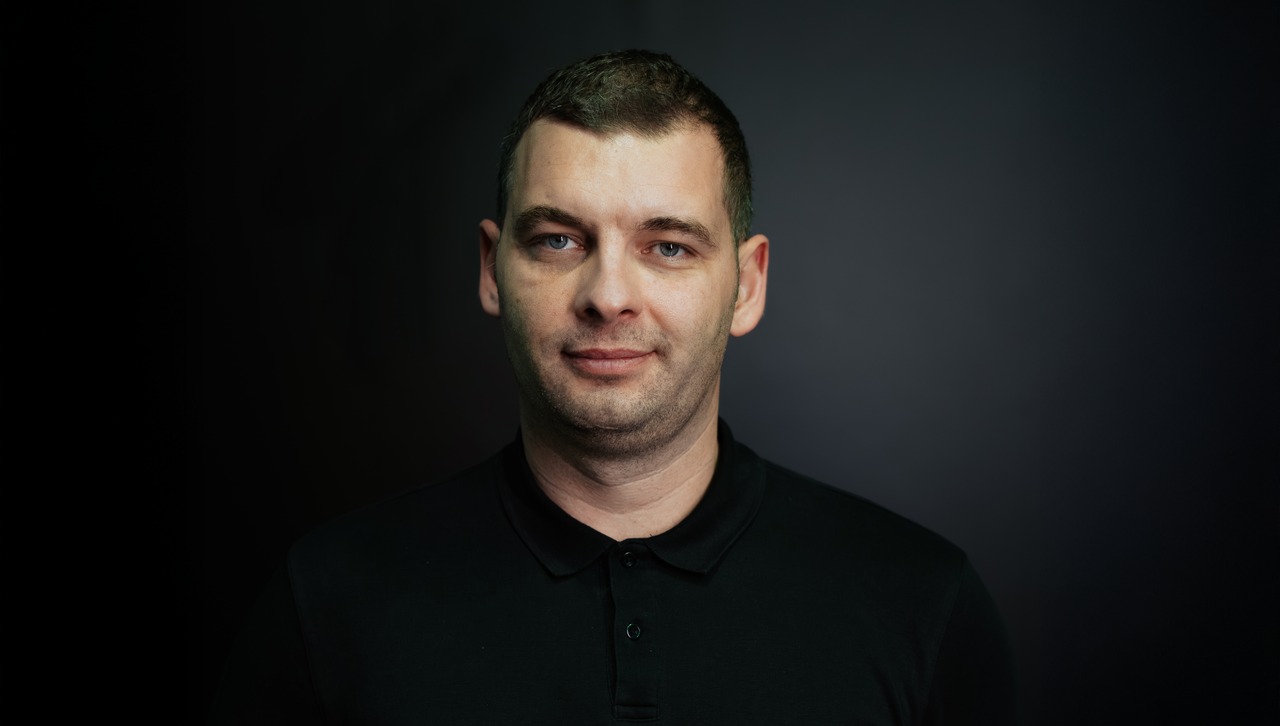
To open, what for Data.Bet is the key aspect of excitement around this World Cup? Are there any previously untapped esports opportunities it presents?
For us, the excitement is really about the evolution of how people interact with football betting. Traditionally, betting on football was focused on the outcome across the full 90 minutes. But now you have microbetting markets, for example what happens in the next five minutes, who wins the next corner, how certain players interact with the ball and so on. That adrenaline is a huge part of the experience.
From a product perspective, our focus is on giving bettors and operators as many options as possible. That means fair markets, fast markets, microbetting opportunities and building the most comprehensive bet builder we can. We want people to combine the things they’re genuinely interested in.
Ultimately, it’s about storytelling. We want to create experiences that feel exciting to follow instead of just offering a simple “who will win” market. There will inevitably be games where the result feels predictable before kick-off, so the challenge becomes: how do you make those matches interesting for bettors?
How do you plan to engage bettors when you only have a handful of matches per day? Will esports play a role in tackling this problem?
Esports has evolved massively over the last four years, not only in terms of betting products but also visually. If you look at games like EA Sports FC, the realism is much closer to actual football now. What we’ve seen is that engagement increases significantly when there’s a live stream attached and people can watch the action unfold in a virtual environment.
Our approach is to use esports and eFootball to fill the gaps during periods when there may only be three or four World Cup games per day. There will be long windows without live football, and we want to keep fans engaged during those moments. We’ve already built some of these products, but we’re also experimenting with new formats.
How do virtuals and virtual sports fit into the fold of the World Cup in 2026, especially in comparison to the last World Cup four years ago?
The products themselves have developed a lot over the last four years. In the past, it was mainly traditional markets like match winners or total goals. Now you also have fast markets that can be settled within a minute or even less. That creates a different kind of thrill and keeps engagement much higher. Another important factor is availability. Virtuals and esports products can run 24/7 and fill the gaps between live games.
There will inevitably be games where the result feels predictable before kick-off, so the challenge becomes: how do you make those matches interesting for bettors?
If someone primarily enjoys football betting and their national team is playing that day, I don’t think they suddenly switch to betting on baseball or another unrelated sport. More likely, they’ll engage with esports or virtual football because it still feels connected to the product they actually care about.
Hypothetical: if France is playing Brazil, are you looking to localise your offerings to the player tastes of those two nations, even though the game is being played in North America?
There’s definitely a broader industry movement towards tailoring the betting experience around what customers actually want and how they engage with the product. Different regions and countries have different preferences – not only in terms of which markets they like, but also in how the entire betting experience is presented.
The World Cup really highlights those differences because it’s such a global event. If you compare betting behaviour across different countries, you see major differences in how people approach World Cup betting. Some audiences prefer traditional outcomes; others are much more focused on player props, fast markets or statistical combinations. Localisation then becomes extremely important.
What would you define as the ‘right way’ to offer a bet builder product in 2026, and how would you tailor this for the World Cup?
This really goes back to the idea of storytelling. Bet builders are becoming a core part of day-to-day betting behaviour, and during a World Cup they become even more important because there are fewer matches each day. People don’t just want to bet on isolated markets anymore. They want to create a narrative around the game. They want combinations involving goals, specific players scoring, passes, offsides and all kinds of statistical outcomes.
That’s why expanding the range of bet builder options is so important. We’ve added a huge number of statistical and player-based markets to make the product as comprehensive as possible.