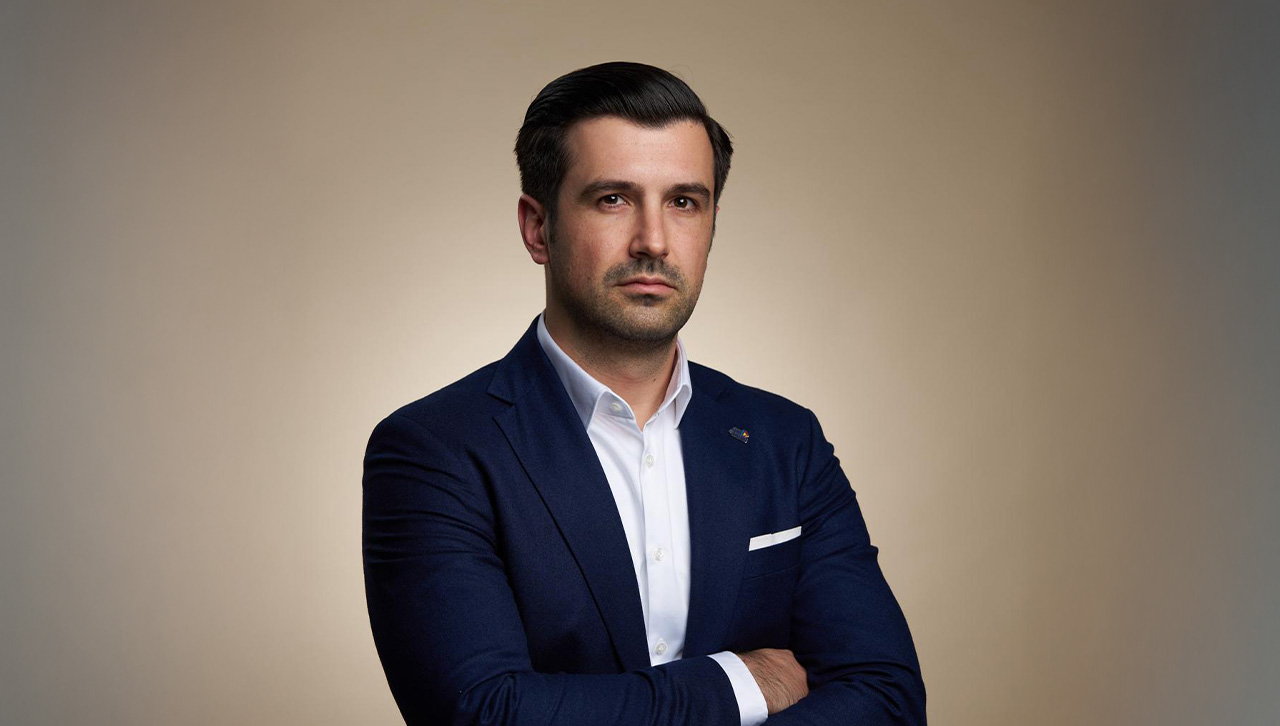

During the 23rd Gambling Symposium at the University of Hohenheim, Ronald Benter, a Board Member of the GGL, discussed this year's evaluation of the State Treaty on Gambling.
By the end of 2026, the states' final report is expected to compile findings on the effectiveness of the 2021 Treaty, the online gambling market and its licensing requirements.
A major innovation of the 2021 Treaty was the introduction of unified licensing procedures for online gambling. This reform has successfully moved the vast majority of major operators into a regulated and supervised market. According to the regulator, the current channelling rate for online gambling stands at around 77%.
While the regulated market is now more controllable and reliable than the illegal sector, Benter noted that challenges remain. Experts have warned that overly strict regulations could limit the effectiveness of legal offers, while excessively lax measures could increase gambling-related harm.
Research presented at the symposium, including the 2025 Gambling Survey, shows that rates of problem and pathological gambling have remained stable since 2023. Additional GGL studies will feed into the final report, which will guide lawmakers on potential policy adjustments.
Benter said: “The evaluation must focus on whether the goals have been achieved, specifically reducing illegal gambling and preventing increases in problem gambling. Where targets are not met, adjustments will need to be made.”
He also emphasised the importance of collaboration with payment providers, prosecutors and consumer education programmes to further curb illegal gambling.
The new channelisation rates contradict an earlier study that claimed only half of the German gambling market was reaching regulated shores