
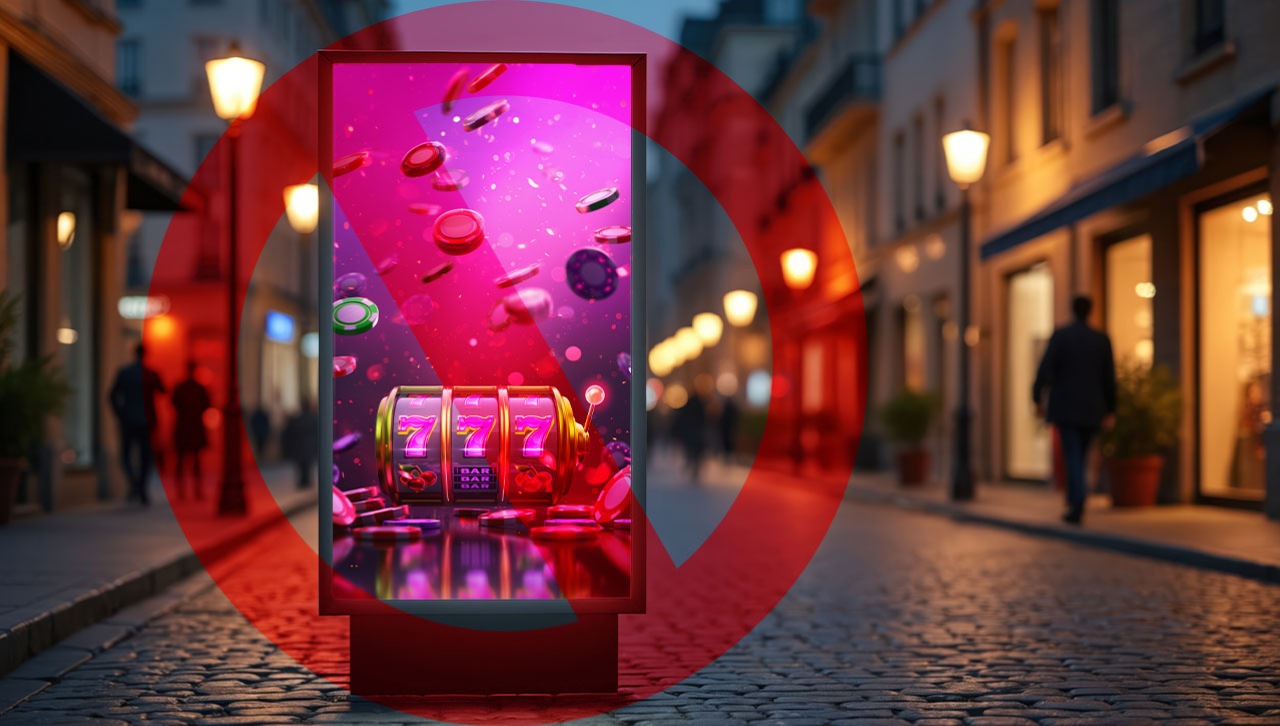
The Dutch Mental Health Care Association and Addiction Studies Netherlands are calling for a complete ban on gambling advertising.
This follows an investigation by the Dutch TV programme Zembla, which found that young adults are still being exposed to gambling through online streamers despite strict advertising rules enforced to prevent this.
Streamers promote online casinos during livestreams and often encourage viewers to sign up.
The research shows that more than half of legal online gambling companies have worked with influencers, even though it has been prohibited since 2022 to use role models in gambling advertisements.
Ruth Peetoom, Chair of the Dutch Mental Health Care Association, calls the findings concerning: “This shows that rules intended to protect young people have insufficient effect in practice. Young people and young adults are still being reached through channels where they spend a lot of time, such as social media and streaming.”
The Dutch Mental Health Care Association emphasises that because advertising is often intertwined with entertainment, it is difficult for young people to recognise that it is promotional, while the risks of problematic gambling behaviour and addiction remain significant.
The Addiction Studies Netherlands Chairman, Gerard Niemeijer, stated: “Gambling marketing has been adapting to regulations and shifting to new channels, such as influencers and online content, for some time.”
Both organisations therefore advocate a total ban on gambling advertising, combined with strict enforcement and the explicit inclusion of the role of influencers within existing regulations.
They are not alone in calling for a ban on gambling advertising. The SP and ChristenUnie parties have previously proposed higher fines, licence suspensions, a ban on advertising and longer self-exclusion periods.
The KSA has historically taken action against online influencers promoting gambling