




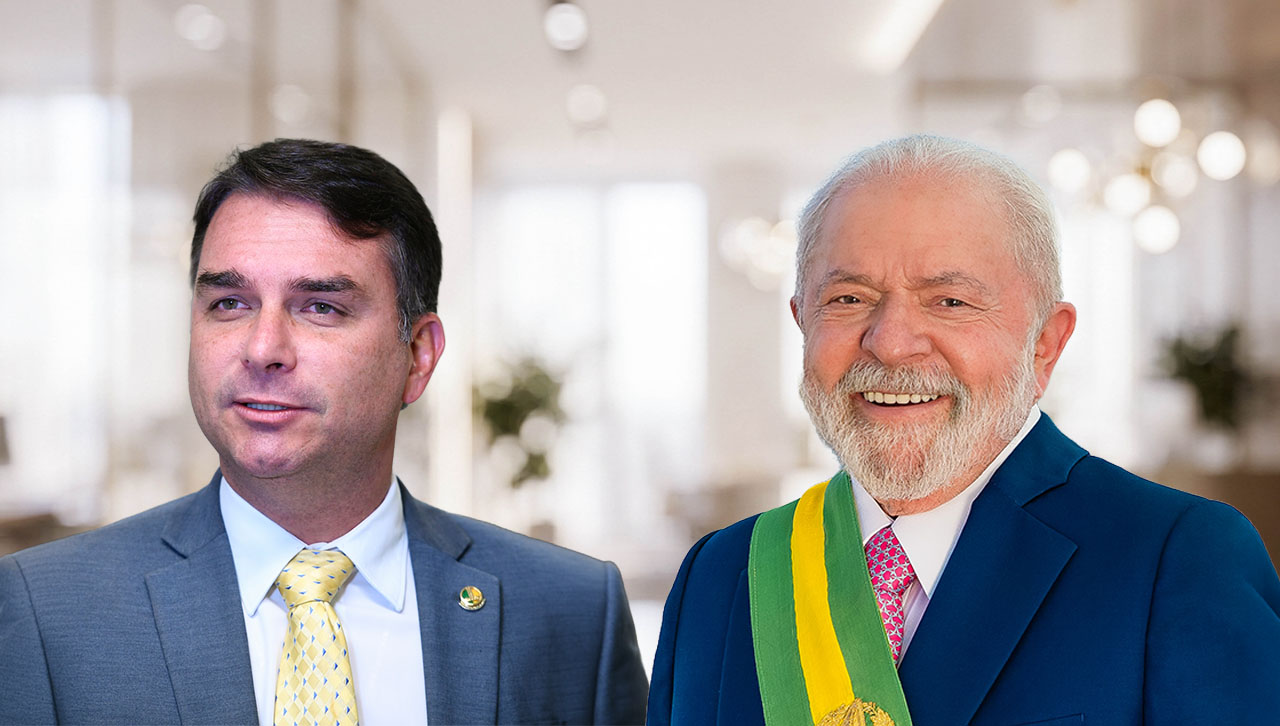
With the upcoming Brazilian presidential elections on the horizon, candidates across the political spectrum are actively discussing proposed measures for the betting sector.
While specific policy approaches vary from left to right, a consensus appears to be emerging among the leading platforms, with both sides signaling an intent to introduce stricter regulatory constraints on the industry.
More to the right: promising a rule that already exists
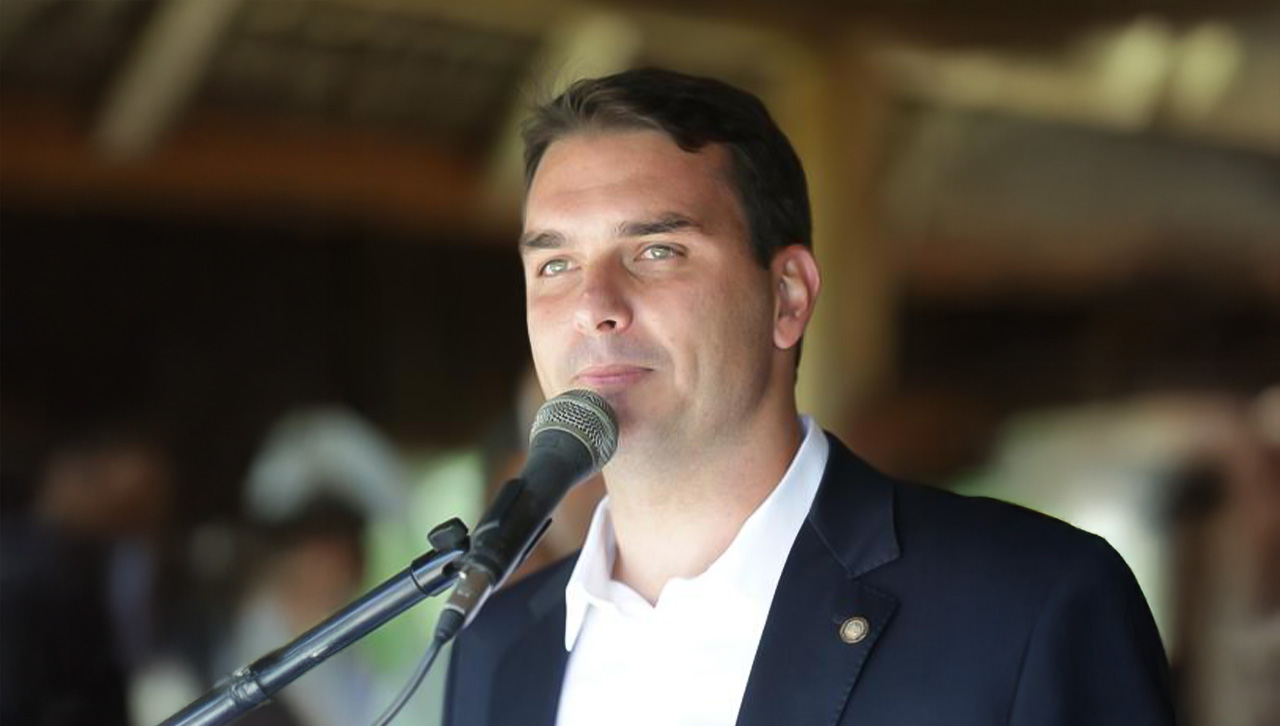
Flávio Bolsonaro included a pledge to ban the use of federal social program funds on betting platforms in the government platform he filed with the Electoral Court.
The measure, however, is already in effect in Brazil: Bolsa Família and Continuous Cash Benefit, the biggest social programs in Brazil, already have their recipients blocked on platforms licensed to operate in the country, meaning the candidate's proposal restates a restriction already in force.
Bolsonaro's platform states on page 33: "We will ban the use of social program funds for betting, because money meant to put food on the table cannot flow into betting houses." The document also proposes awareness campaigns on gambling debt risks and financial education initiatives through state bank Caixa.
More to the left: No ban but no sugarcoating
Lula da Silva also promised further future action to better regulate the betting market in the future, adding to the actions already taken by the current Government under his hands, rather than once again saying betting companies will be banned.
Using the release of the latest formal employment data to defend registered jobs while renewing his criticism of online betting at a Ministry of Labor and Employment ceremony, Lula celebrated the addition of 10.1 million formal jobs since January 2023 and described betting as a financial trap for workers.
"The tragedy of gambling is that you spend your whole life gambling to pay off the loss from your first bet," Lula said, during the presentation of June's monthly Annual Social Information Report.
He finished arguing that rising worker income should translate into consumption and better living conditions, not deeper debt through betting.
Senator Carlos Fávaro told the Senate floor that he has filed a bill to ban fixed-odds betting across Brazil