





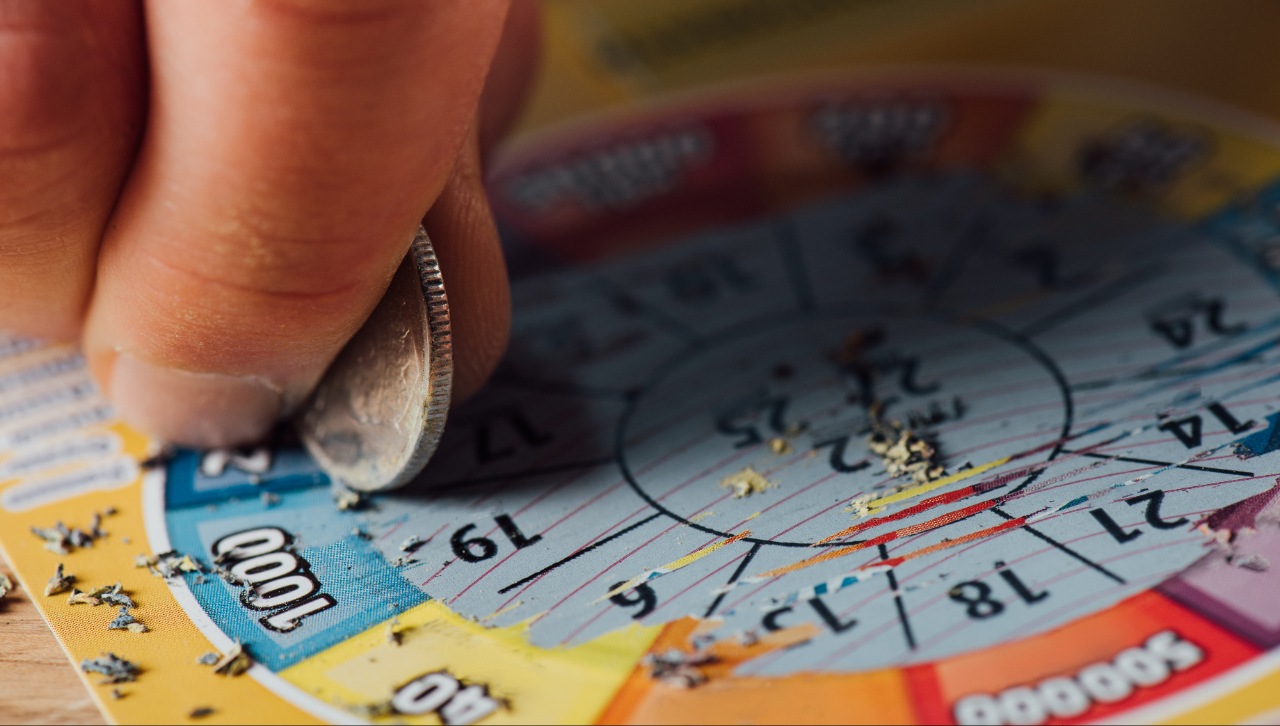
Irish researchers are calling for a ban on €1 ($1.12) and €2 scratchcards as part of a broader set of measures aimed at reducing gambling-related harm among both adults and children.
The proposals are outlined in a paper published in the Irish Journal of Medical Science, authored by researchers from the Technological University of the Shannon (TUS), Queen’s University Belfast, the University of Limerick and University College Cork.
Lead author Dr Frank Houghton, Principal Investigator of the Tobacco, Alcohol and Gambling Research Group at TUS, said low-cost scratchcards are too easily accessible to children.
The researchers argue that strategies proven effective in tobacco and alcohol control should also be applied to gambling, including National Lottery products.
Prof Anne Campbell, Emeritus Professor of social work at Queen’s University Belfast and a co-author of the paper, said: "It's time the scratchcards were put out of sight of children, just like tobacco."
Alongside the proposed ban on €1 and €2 scratchcards, the researchers are calling for tighter restrictions on gambling advertising and point-of-sale marketing, mandatory health warnings on scratchcards and betting slips, plain packaging for scratchcards, stronger enforcement of gambling laws, higher gambling taxes, a retailer licence fee for National Lottery sales and an increase in the minimum gambling age from 18 to 21.
According to the Health Service Executive (HSE), 352 people accessed publicly funded addiction treatment services in 2025 where gambling was identified as the primary issue. This represents an increase from 159 in 2021.
However, when gambling was identified as one of several issues rather than the primary concern, the number of cases almost tripled, rising from 269 in 2021 to 748 last year.
Research conducted by the Economic and Social Research Institute in Dublin estimated that in 2023 approximately 130,000 adults in Ireland experienced problem gambling