







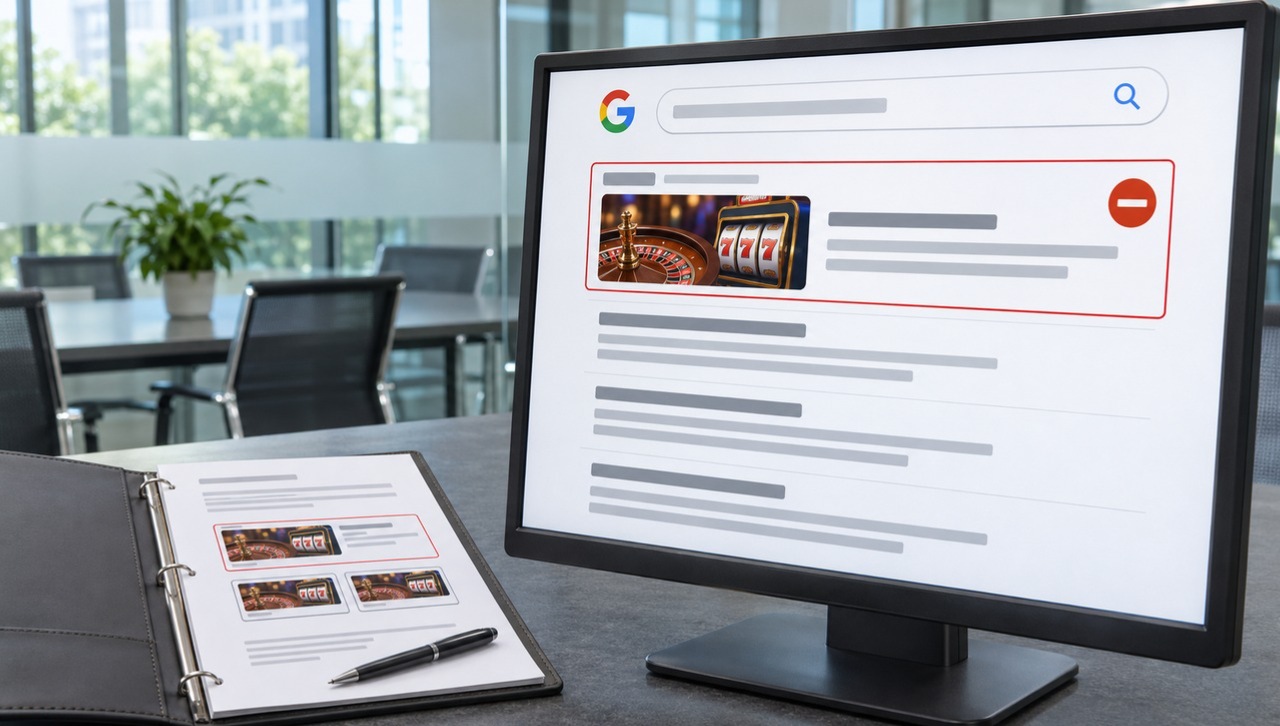
Michel Groothuizen, Chairman of the Kansspelautoriteit (KSA), has published a blog post on the regulator's website reflecting on last week's meeting with Google regarding the issue of illegal advertisements.
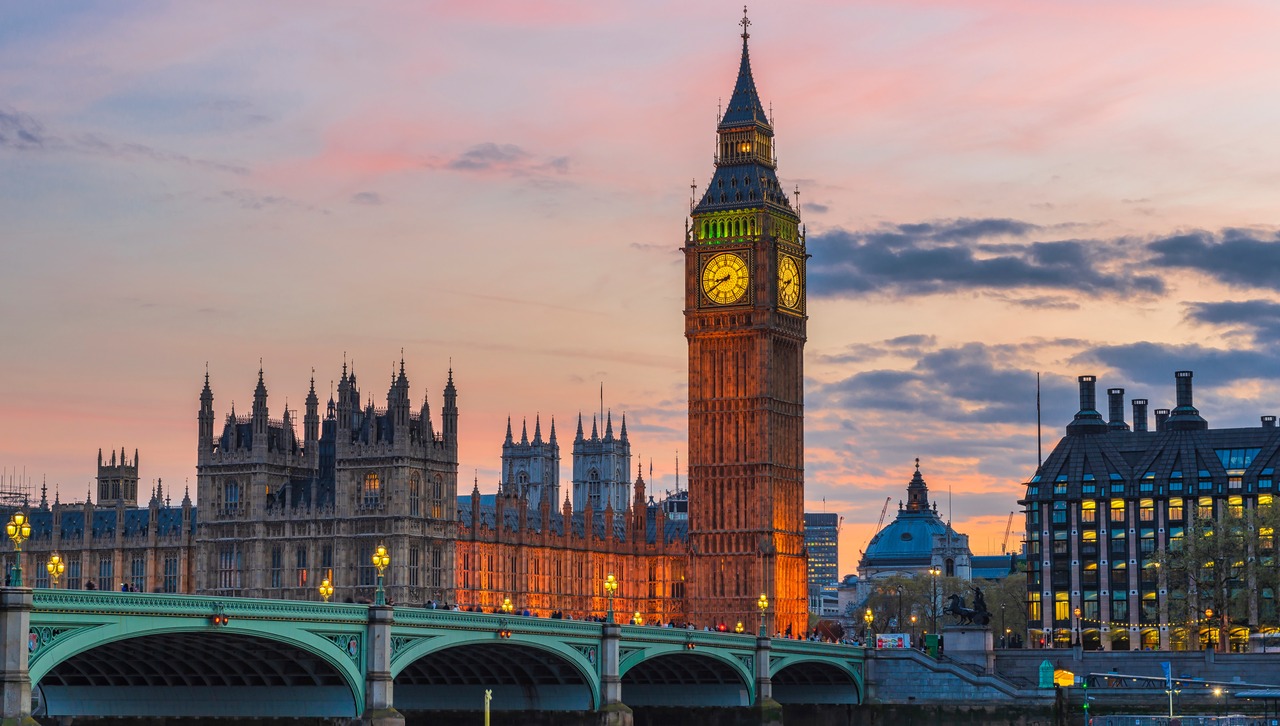
The meeting, which Groothuizen clarified that Google had called a 'summit,' included the KSA, along with authorities from Denmark, Ireland and the UK. The regulators met in London, at the company's advertising department, and had a policy-exploring and policy-determining discussion with experts from Google offices all around the world.
Groothuizen said: "The conversation focused primarily on what Google can do to safeguard us in Europe from illegal advertisements, as well as from unwanted organic search results, such as searches for gambling without Cruks. "
The Dutch regulator also praised Google for its collaboration over the past few months in removing 'undesirable' parties from sponsored links. Groothuizen emphasised that the goal is to apply a national "whitelist." He explained: "The KSA periodically reports to Google which gambling companies hold a licence in the Netherlands. Advertising material from other gambling-related companies will no longer be displayed in search results."
Groothuizen also said licence holders can tell the regulator which reputable affiliates they work with and they too can be placed on the whitelist.
He went on to say that the KSA and GREF will be working together over the coming months to develop a whitelist system for both Portugal and Finland. Nevertheless, Groothuizen warned that illegal websites will always find a way to bypass these guardrails.
He said: "A 100% guarantee of success cannot be given. The creativity unleashed by the pursuit of profit outside the legal circuit constantly presents us with new challenges. We are already regularly seeing forms of 'cloaking' and hijacked sites that are completely unrelated to gambling. That certainly won't make things any better."
However, he is hopeful that, through constructive dialogue with tech companies, helpful steps can be taken.
Earlier this week, the KSA ordered a former Reality TV participant to remove Instagram posts promoting unlicensed gambling. If the influencer fails to remove existing content, the KSA will impose €25,000 ($27,437) per violation, capped at €75,000.
Google expanded its personalised gambling advertising on YouTube across the US, UK and Canada while retaining restrictions on sensitive targeting, advertiser certification and underage audiences