 SPAYZ.io
 DATA.BET
 GammaPlus
 Vegangster
 Titans
 Linebet
 GR8_TECH
 01.tech
 Digitain
 Global Gaming Awards
 JDB Gaming
 1spin4win
 DYG
 GammaSweep
 Makeberry Affiliates
 bet365 Partners
 Galaxsys
 BetConstruct
 Bally’s Intralot
 ONLYPLAY
 AMATIC Online
 OMNIPLAY
 ReferOn
 GammaStack
 SmartSoft
 Logifuture
 Z-Gaming
 N1 Partners
 Euro Games Technology
 Imagine Live
Japanese startups, led by Gen Z entrepreneurs, are launching non-cash prediction markets that allow users to wager on events and earn points rather than money.
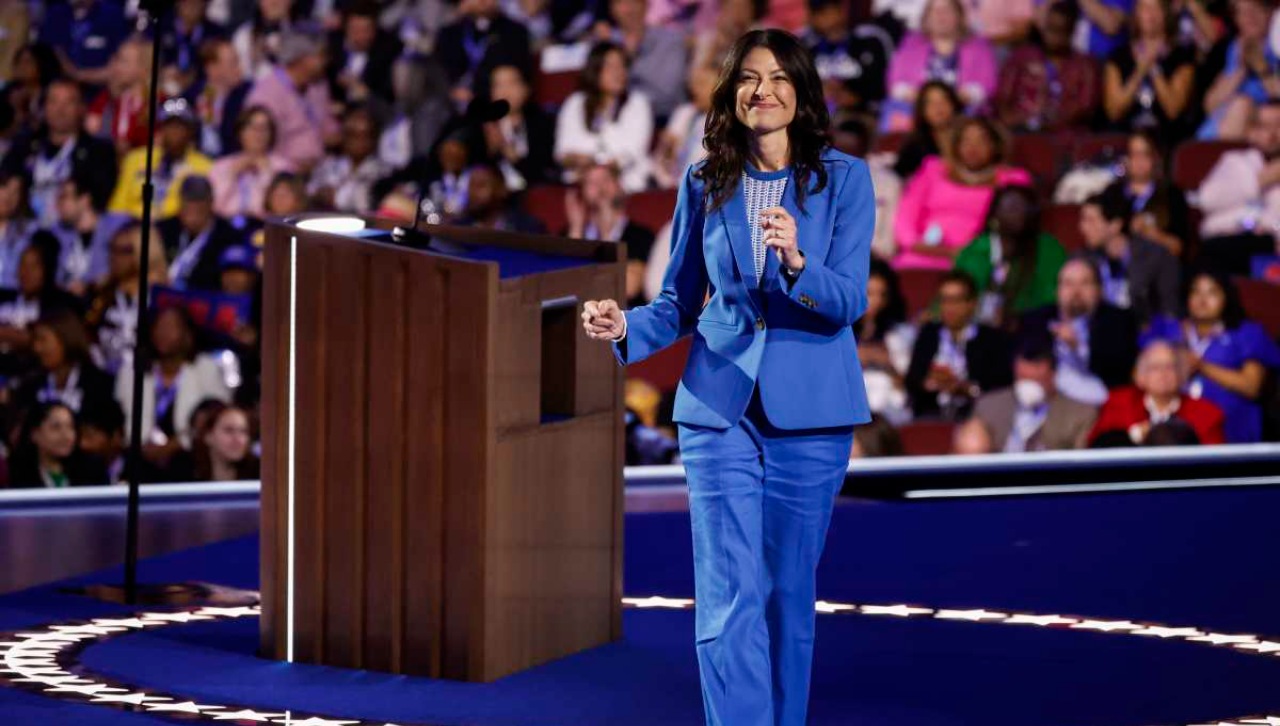
The restraining order prohibits Kalshi from operating within the state, following a ruling from the US District Court for the Western District of Michigan which kept the case at the state level.
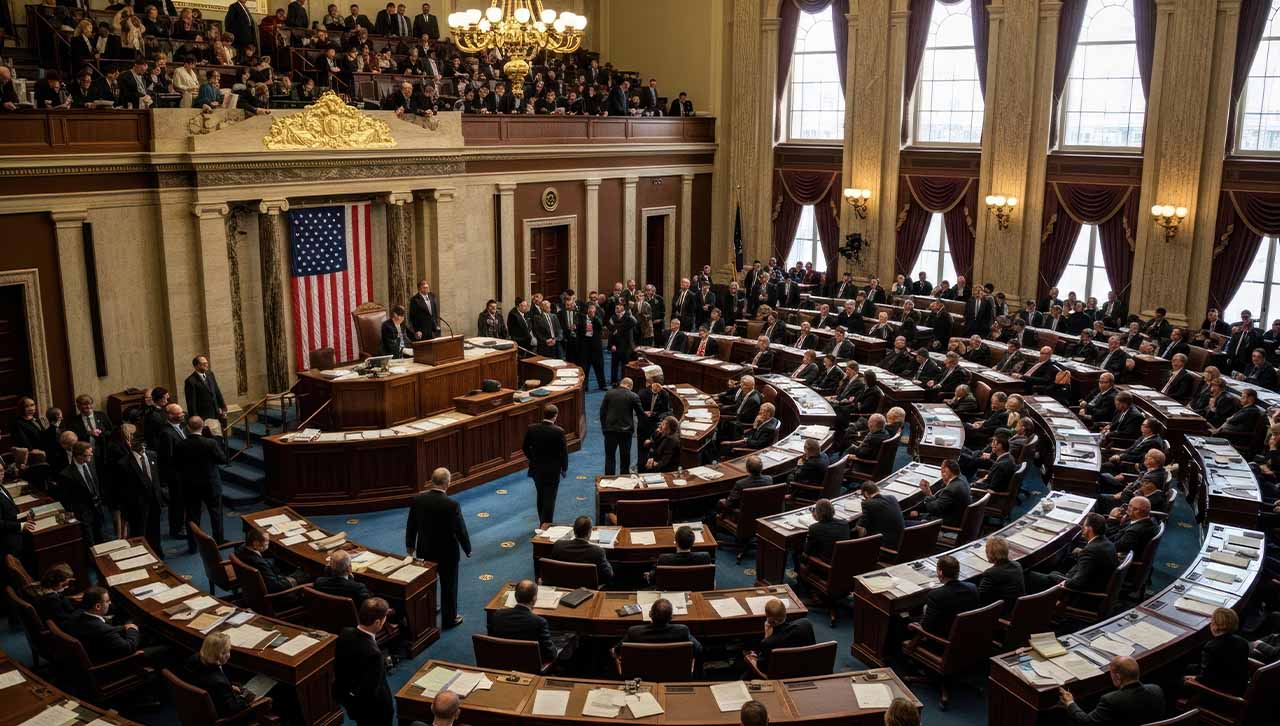
The lawsuit is the latest escalation in a widening dispute between state regulators and the CFTC over whether sports event contracts fall under federal derivatives law or state gambling legislation.
The request follows reporting that creators were paid to promote staged prediction-market trades on social media.
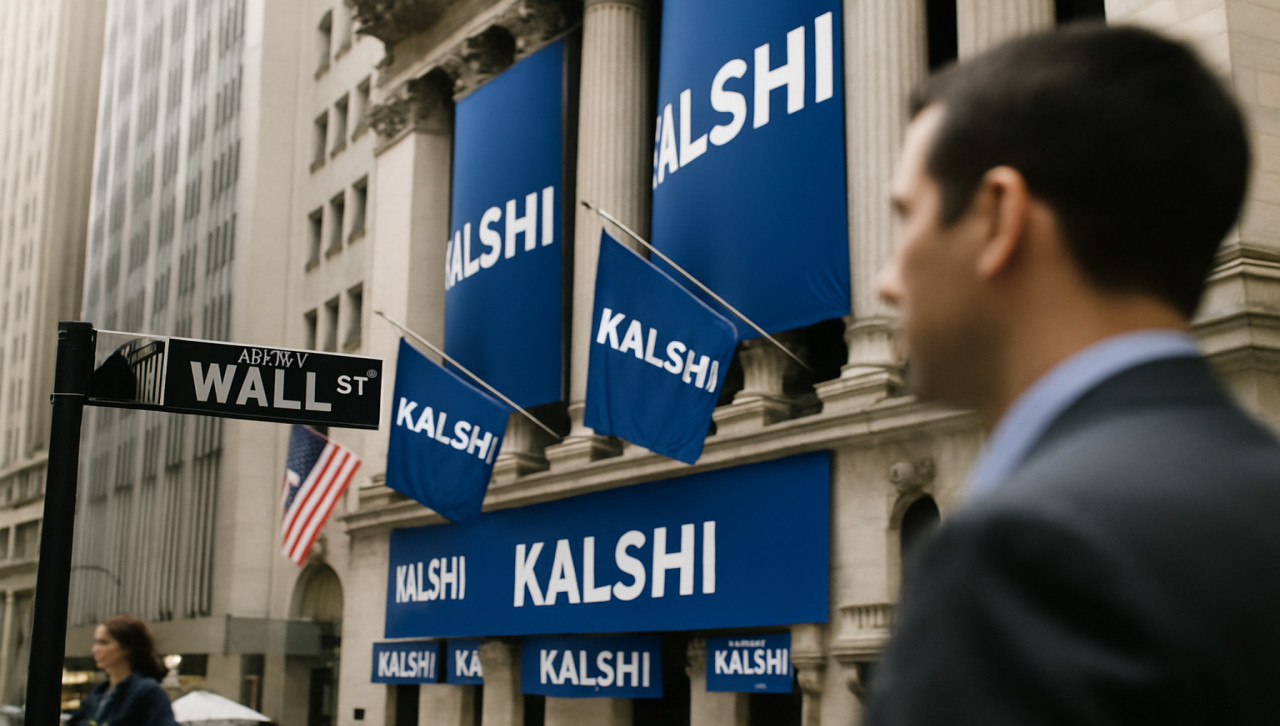
According to the operator, Kalshi maintains an approximate 90% share of US prediction market activity, having previously formed partnerships with the AFA and Croatian Football Federation.
The attackers were able to upload malicious code into Polymarket’s front-end, although early reports have confirmed less than 15 accounts on the platform were affected by the hack.
DraftKings has launched DKeX, a proprietary prediction markets exchange integrated into its DraftKings Sports & Casino app.
The operator is seeking a dismissal of a lawsuit filed against Kalshi by multiple Tribes in New Mexico, which alleges that offering sports-related event contracts on Tribal lands violates IGRA.
CEO Tarek Mansour confirmed the operator is in the ‘early stages’ of planning an IPO and addressed concerns over whether Kalshi would have to resolve potential insider trading efforts.
Kentucky AG Russell Coleman previously sued Kalshi, Polymarket and VGW, accusing each of operating unlicensed sportsbooks under the guise of ‘event contracts’ which violate state laws.