US senators John Curtis and Adam Schiff have called for a federal investigation into Polymarket after The Wall Street Journal reported that the prediction-market operator paid creators to promote staged betting content.
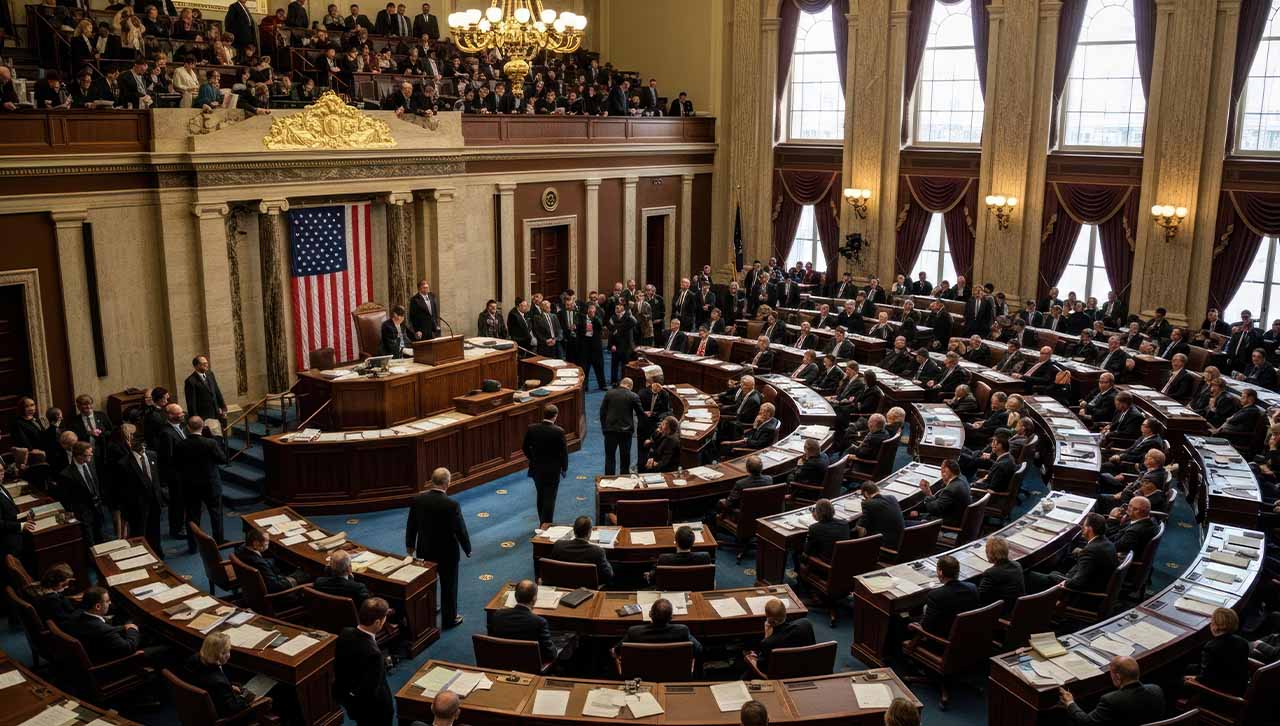
In a letter to CFTC Chairman Michael Selig, the senators said the allegations were “deeply troubling and demand immediate scrutiny.”
The WSJ reported that Polymarket-backed promotional videos showed fake trades on replica websites, with some clips presenting staged wins as real outcomes.
The report said it reviewed more than 1,100 videos and found widespread use of simulated bets.
The senators said the conduct described in the report raised questions over whether the CFTC has sufficient oversight tools for prediction markets, particularly where products resemble gambling activity but are regulated federally as event contracts.
Polymarket has faced US regulatory scrutiny before. In 2022, the CFTC ordered the operator to pay a $1.4m penalty and wind down non-compliant markets after finding that it had offered event-based binary options without proper registration.
The operator later moved toward a regulated US return through its $112m acquisition of QCEX, a CFTC-licensed exchange and clearinghouse.
QCX now operates under the Polymarket US name, placing the business inside the federal regulatory framework it previously lacked.
The latest dispute comes as prediction markets continue to expand into sports, politics, entertainment and financial-event contracts. That growth has intensified disagreement over whether federal commodities regulation is sufficient, or whether state gambling regulators should also have a role.
The CFTC has also been considering rules for event contracts, including limits around certain sports-related markets.
Those proposals could shape how platforms such as Polymarket and Kalshi operate as the sector moves closer to mainstream betting activity.
Polymarket has said it is conducting a review of active promotional content to assess compliance with its standards and relevant legal disclosure requirements.
The advertising scrutiny follows a separate operational issue for Polymarket, after the operator said it would refund around $3m to users affected by a third-party frontend compromise.
The WSJ report also said some promotional content was aimed at US audiences, despite Polymarket’s earlier restrictions on US trading