




On 3 July, a TikTok ad for Midnite showed a young man checking a betting app while a voiceover said "another massive World Cup upset."
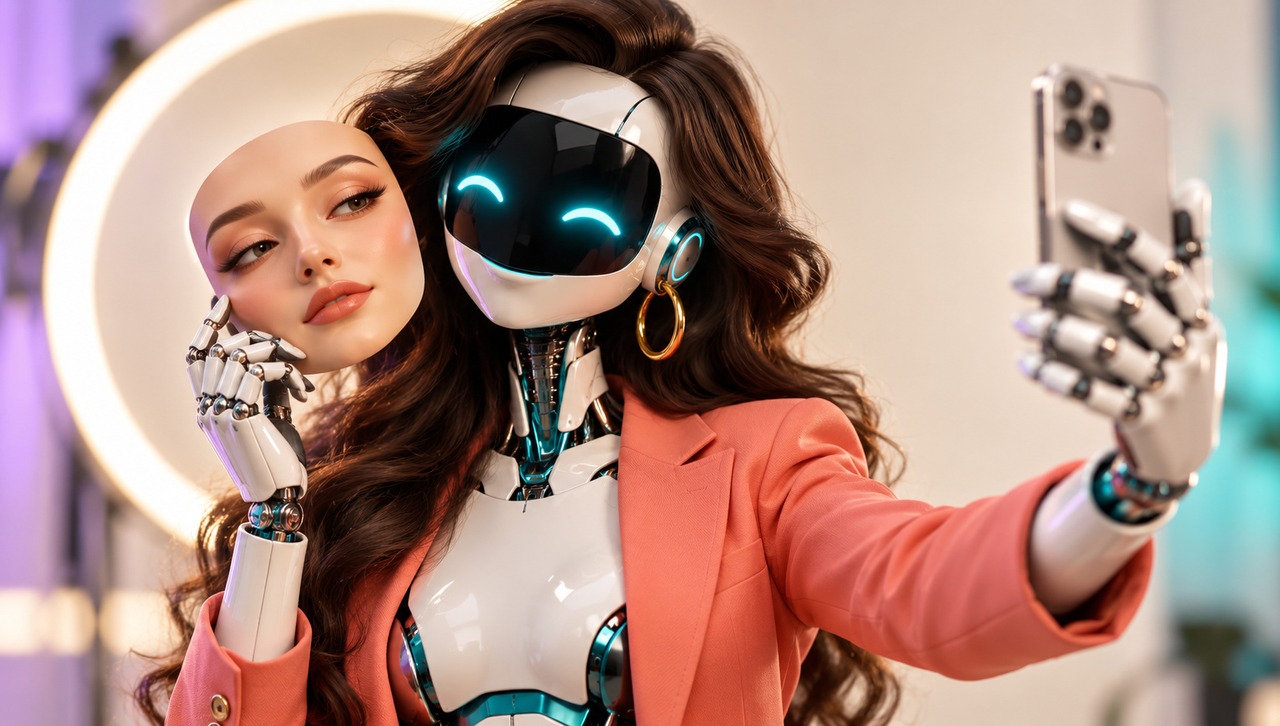
Nothing unusual there, except that the man had never been born. An affiliate, Limay Media, had generated him. Midnite says it never approved the ad, and has since dropped the affiliate.
On 16 September, the Advertising Standards Authority (ASA) banned it anyway. The man looked under 25: youthful features, smooth skin, a boyish haircut. The ASA asked for the prompt that made him. The prompt never mentioned an age.
So the ASA's AI monitoring caught an AI man, and judged him like a real one.
Last month, I wrote about famous faces being fenced out of gambling ads in Ontario, the UK, Belgium and, from January 2027, Australia. The obvious workaround is a face nobody owns.
How everyone is already casting nobody
Kalshi got there first. Its NBA Finals commercial in June 2025 was made entirely in Google Veo 3 by an AI filmmaker, PJ Accetturo, in about three days. Kalshi said the generation cost came in under $2,000. A spot like that used to mean a crew, a shoot and a much bigger invoice.
SBK, Smarkets' sportsbook, followed in August 2025 with a fully AI campaign: a bull crashes through a betting shop wall and takes out the free-spins machines. No presenter at all.
And, since 29 September, you can buy the presenter off the shelf. Worthy.ai, run by a former FanDuel marketing director, sells sportsbooks an AI creator who chats about tonight's game while the phone in frame shows live odds. You can swap the face, the voice and the background between tests. The company says its compliance tools keep it all within the rules.
So here is the presenter who clears every border: an adult who looks thirty or older, looks like nobody, sounds like nobody, carries an AI label where the EU wants one, and stays out of Belgium
Does the UK care how the face was made?
No. CAP has said the code applies whatever made the picture, and the ASA has now ruled both ways.
July 2025: Buzz Bingo was cleared for an AI "action figure" of its Grimsby manager, because the style was realistic rather than cartoon-like.
September 2025: Midnite lost over an AI video of Trent Alexander-Arnold labelled "AI-generated parody." Viewers would recognise him, so his appeal to under-18s came with the likeness.
September 2026: the under-25 ruling above.
A synthetic face sits the same exams as a photographed one, and the examiner has got stricter. The ASA's monitoring now runs an age model that flags anyone who might look under 30 for a human to check. Lawyers at CMS are telling clients to write the CAP rules into the prompt and keep the generation records. I would go further: keep the prompt the way you used to keep the model release.
Belgium, Ontario, Australia
Belgium had this covered before anyone asked. Article 17 of the 2023 decree says ads may not depict natural persons or fictional characters, and the commentary adds that imitating a famous voice is banned too. A generated presenter fails twice. You get a silhouette, an animal or a hand.
Ontario bans athletes outright, and anyone else likely to appeal to minors: celebrities, influencers, entertainers, cartoon figures. An anonymous synthetic adult is not on that list. A synthetic Connor McDavid is.
Australia's "notable person" ban starts on 1 January 2027. The ACMA calls the definition deliberately broad, broad enough that you must watch whether your actor becomes notable during the campaign. Its guidance says nothing yet about lookalikes.
Meanwhile, the stolen faces?
Licensed operators are checking how old their avatars look. Unlicensed ones are deepfaking real people.
In September an Instagram account ran a fake clip of Alphonso Davies' father being arrested in Edmonton, with a deepfaked Drake for company, pointing Albertans at Oxibet, a Comoros site with no Canadian licence. The regulator said it was "aware of the risks." Which is regulator for "we saw it."
New Zealand's new online casino rules, live since July, ban using a person's likeness to fake an endorsement, with fines up to NZ$5m (US$2.8m). And since 2 August the EU AI Act requires anyone running a deepfake to say so, with fines up to €15m ($16.9m) or 3% of turnover. Whether a wholly invented presenter counts as a deepfake is not settled. Expect the licensed operator to label and the Comoros one not to bother.
Why the dealer is an ad too
Tim Poole's live casino roundtable in Global Gaming Insider magazine asked four suppliers whether the future is AI, video or human. All four said human.
The market is hedging. Entain signed Avanti Studios in June for "digital clone" dealers built in MetaHuman, starting in Spain. FanDuel's Co-Founder Nigel Eccles raised $10m for Sentient Studios and its AI blackjack dealer, Sunny, who they say tested 10 times more popular than the live table. Its figure, not mine!
A dealer on a lobby thumbnail is an advertisement. Every rule above applies to her face.
What you can still shoot
So here is the presenter who clears every border: an adult who looks thirty or older, looks like nobody, sounds like nobody, carries an AI label where the EU wants one, and stays out of Belgium.
That is a shorter list than a celebrity contract. The new part is the paperwork, because a regulator has shown it will read the prompt.
Maikel Slomp runs MAD IT (mad-it.agency), a video ad production studio.