Your specialist subject within online gaming is branding. A short-but-complicated question: what makes a good gaming brand?
A good gaming brand is a story that reaches your prospects faster than your sales team ever could through leads, meetings and in-person outreach.
What makes it work is three things. It touches people emotionally, so they stop and notice. It tells them clearly why it matters to their business. And it's easy to remember, helping it build trust and spread.
You know it's working when prospects come to you already getting it. Conversion goes up, acquisition costs go down, lifetime value increases and brand awareness grows.
 How important is a brand name? Personally, I think we've seen a few weak names in the industry recently…
A brand name is a container. What fills it is what matters. Think of any brand you admire. That name meant nothing before you knew the company. It became powerful because they consistently filled it with meaning over time.
A good name helps with first impressions. It sparks curiosity and creates an opening. Take Braintail for example. People wonder what it means and look it up. That curiosity gets you a first conversation.
In B2C, that first impression is often all that matters. A player picks a casino in a split second. But in B2B, decisions take weeks or months through multiple touchpoints. What you consistently put into the container matters far more than what's written on it.
What good and bad branding examples did you see at ICE?
I didn't see great branding at ICE. The old sales-driven paradigm extends to events. Booths are built to be flashy, not to express what makes a brand unique. Giveaways, unrelated mascots and viral stunts drive traffic, but don't build brand.
A great booth extends the brand's uniqueness into a physical experience. Emotional, clear and memorable. That's something we help customers with at Braintail, working alongside event organisers to design booths that stay on brand.
I do give points to three companies, though none is perfect. Aristocrat didn't let wanderers into their booth, very aristocratic of them, though it's not consistent with their website so I can’t count it as a great on-brand example. Payper closed their booth with curtains, mirroring how they make you work to find them, though friction isn't really their brand. And Neosurf stood out for genuinely trying to capture what they do. They inspired me to review their brand in my newsletter, exploring what an alternative payment method could really stand for.
How does a company, whether at ICE or with any other marketing campaign, determine and justify ROI in today's iGaming sector?
It's natural to want to understand what moves the needle, but ROI in iGaming B2B is tricky. You're trying to tie clear, immediate expenses to revenue that comes months later through multiple touchpoints, and you can't say for certain which investment made it happen.
To work around that, you can do two things. First, don't look only at hard revenue. My meetings at ICE will take months to bear fruit, but top CMOs in the industry now know who I am, and 50 additional senior marketing and brand execs subscribed to my newsletter. Those outcomes matter too.
In B2C, that first impression is often all that matters. A player picks a casino in a split second. But in B2B, decisions take weeks or months through multiple touchpoints
Second, like in an investment portfolio, split your marketing into two stocks. Short-term activity where you can measure ROI directly, and long-term growth where you track leading indicators like brand awareness, organic traffic and sales velocity instead of forcing immediate revenue attribution. That's more accurate than trying to calculate monthly ROI that mixes spending happening now with revenue that reflects decisions made months ago.
What should marketing teams prioritise branding-wise in 2026?
The Braintail Method gives you three clear priorities: First, find your true differentiator. Most iGaming B2B companies are more different than they realise, they just don't know how to articulate it. Dig deep. It could be culture, data, network, business model, or service philosophy. When you sound like everyone else, you become invisible.
Second, translate it to customer value. Differentiators alone don't win deals. Tell prospects what's in it for them. Does your offer drive revenue, cut costs, reduce risk? Close the gap between what you do and why it matters to their business.
Third, make it memorable. Take your logical argument and reframe it creatively. Prospects need to feel drawn to your solution before they justify why. When the emotional and rational work together, your story travels far and fast, reaching prospects before your sales team does. That's brand-led growth.
Finally, if you could break down the biggest branding 'don't' in the industry right now, what would it be?
Don't confuse marketing spend with brand investment. Marketing is about getting people to talk about you. Brand is about what they say when they do.
Too many senior leaders believe that investing in brand means throwing more money at marketing. More events. Bigger booths. Flashier campaigns. That's the equivalent of performance marketing. It has its place in the mix, but it's not strategic. It does not compound over time. It's not brand building.
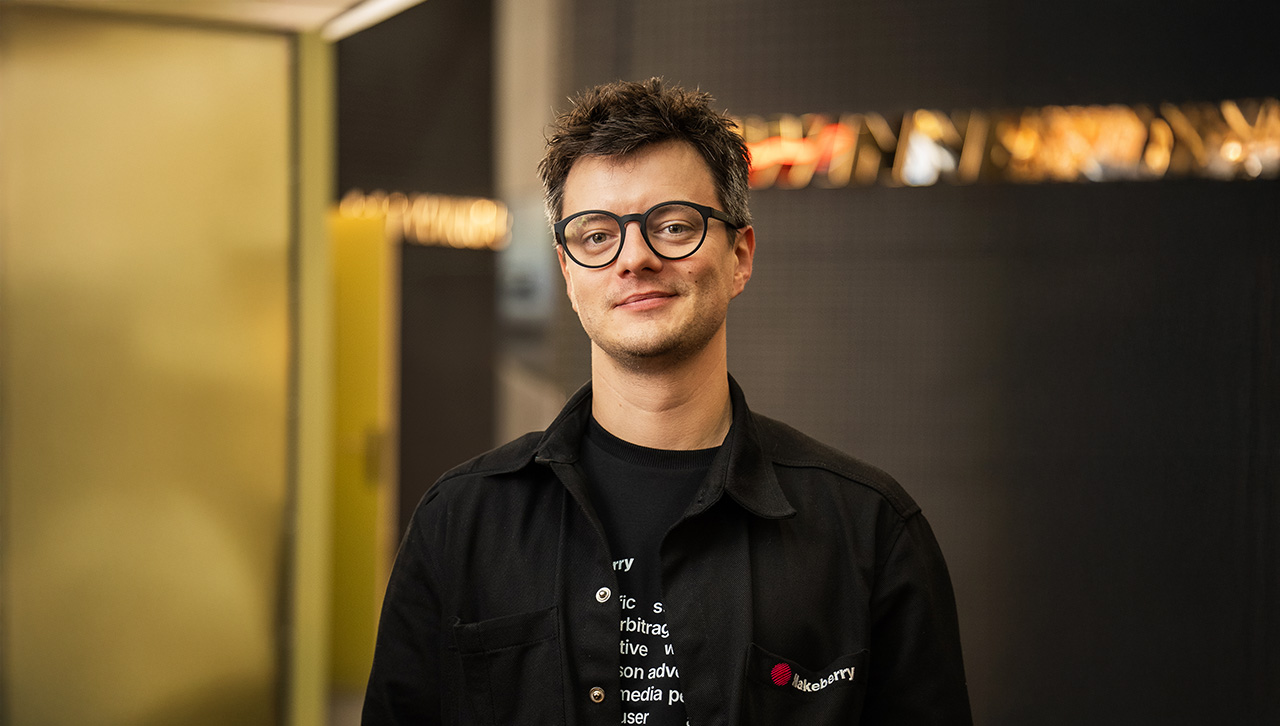
Yarkowich is the Founder of Braintail and a brand strategist specialising in iGaming B2B. He specialises in helping companies move beyond the noise through strategic differentiation, positioning and high-impact storytelling