
Throughout sports betting history, there is typically an event, ruling or new product launch that will define the industry’s next generation. The overturning of PASPA in 2018, daily fantasy sports’ introduction and the recent growth of prediction markets all bear examples to just how quickly sports betting can become headline news.
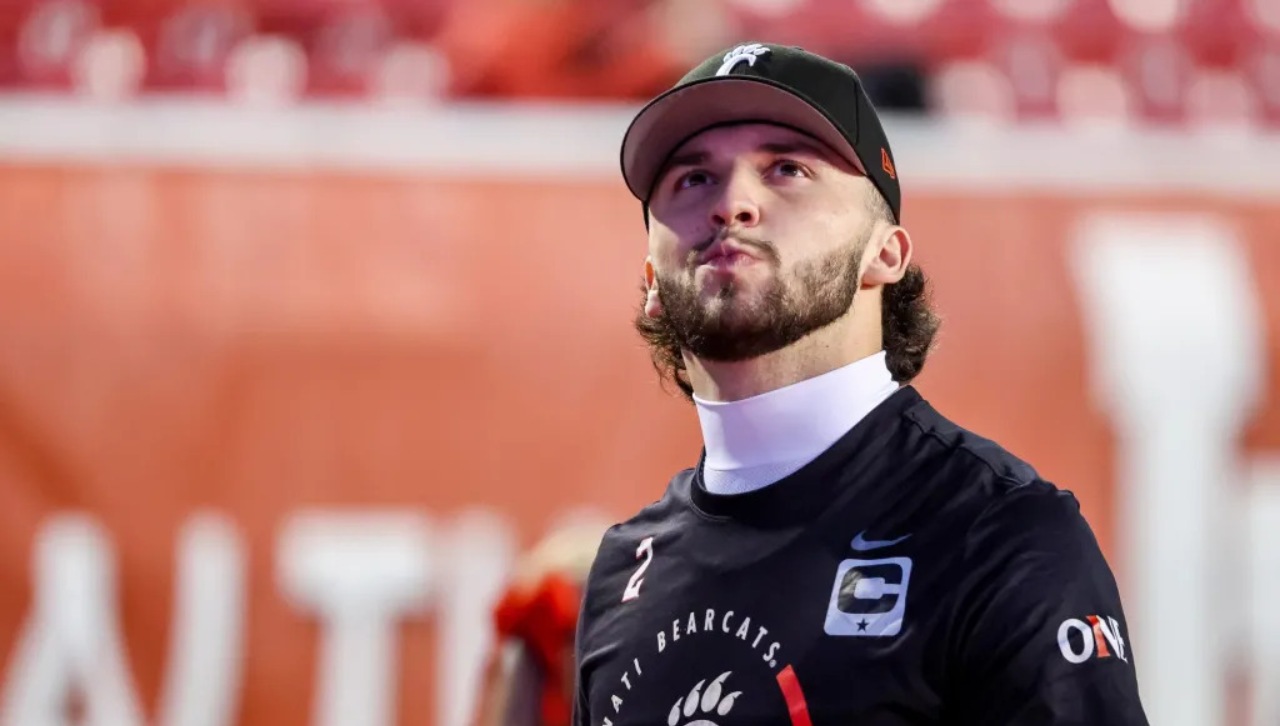
However, while these illustrations of innovation showcase the rapid rise of sports wagering, there have also been instances exposing how precarious a line of morality can become. There is perhaps no greater example than the recent investigation into the wagering activity of Texas Tech quarterback Brendan Sorsby, who was officially deemed eligible for the 2026-2027 college football season despite admitting to placing over 9,000 bets during his collegiate career.
The result in Sorsby’s case puts a dangerous spin on the future of collegiate athletics and how gambling has become a prevalent issue among various sports. Letting the Texas Tech quarterback take the field in September would not only be a slap-in-the-face to years of NCAA oversight, but an outright hazard to any program he plays against.
How Sorsby potentially evaded NCAA punishment
While the former Indiana Hoosiers and Cincinnati Bearcats quarterback will serve a two-game suspension for wagering at least $90,000 over a four-year span, the punishment was the same his legal team recommended to the National Collegiate Athletic Association (NCAA) when the investigation first began. Sorsby had admitted to placing over 9,000 wagers during his time at Indiana University and Cincinnati, including wagers placed on Indiana to win while he redshirted for the school.
Years prior to sports betting’s rise, a case such as Sorsby’s would be guaranteed to result in the loss of eligibility and a potential ban from all NCAA-related activities. Despite the Association instituting such a penalty on May 26, Lubbock County District Judge Ken Curry granted Sorsby a temporary injunction against the NCAA on June 8. In case one might be wondering where Texas Tech University resides, the school is also located in Lubbock, although no ties have been found between Curry and the University.
According to the judge, Sorsby "demonstrated that he will suffer a probable, imminent and irreparable injury if this Court does not issue this temporary injunction because he will be unable to participate as a member of Texas Tech University's 2026 Football season." Curry also ruled the NCAA cannot prohibit Sorsby from "practicing, playing or otherwise participating on Texas Tech's football team for the 2026 season."
In response, the NCAA stated it “strongly disagrees with the court's ruling… and is deeply concerned about the damaging, far-reaching and broadly destabilizing ramifications of this outcome – which undermines and corrupts the integrity of sports.
“The NCAA is committed to supporting student-athlete mental health but must continue to aggressively defend against actions that defraud college athletics and threaten competitive integrity, such as betting on one's own sport."
Even after Sorsby admitted to placing bets – which are grounds for the loss of eligibility as per NCAA guidelines – his hiring of antitrust attorney Jeffrey Kessler may have paid off in full following the injunction approval by Curry. This was not the first time Kessler found himself on the opposing side of the NCAA as well, having served as the lead attorney in the House vs. NCAA case which eventually led to revenue sharing in collegiate athletics during June 2025.
As part of his own statement, Kessler described the ruling as a “just result,” with the NCAA responding by filing an appeal to the decision in Amarillo District Court. Coincidentally for the Association, all four justices slated to hear the appeal are Texas Tech law school graduates. Kessler reportedly used Sorsby’s admitted gambling addiction as the reason to grant his eligibility for the upcoming season, given the NCAA would not be “supporting” his mental health and may negatively affect his recovery process.
Sorsby took a leave of absence from Texas Tech while under investigation by the NCAA and recently completed a gambling addiction treatment program prior to Curry’s decision.
What type of response has Sorsby’s ruling garnered?
Across college football, the sentiment toward Curry’s decision has been a mixture of disappointment, outrage and confusion. Athletics Directors in the Big 10, SEC and Big 12 have discussed the possibility of keeping Texas Tech off their respective schedules for all university-offered sports. The decisions made by the Big Ten and SEC have little impact on Texas Tech, but the program could face difficulty putting its own schedule together if fellow Big 12 universities refuse to compete against the team.
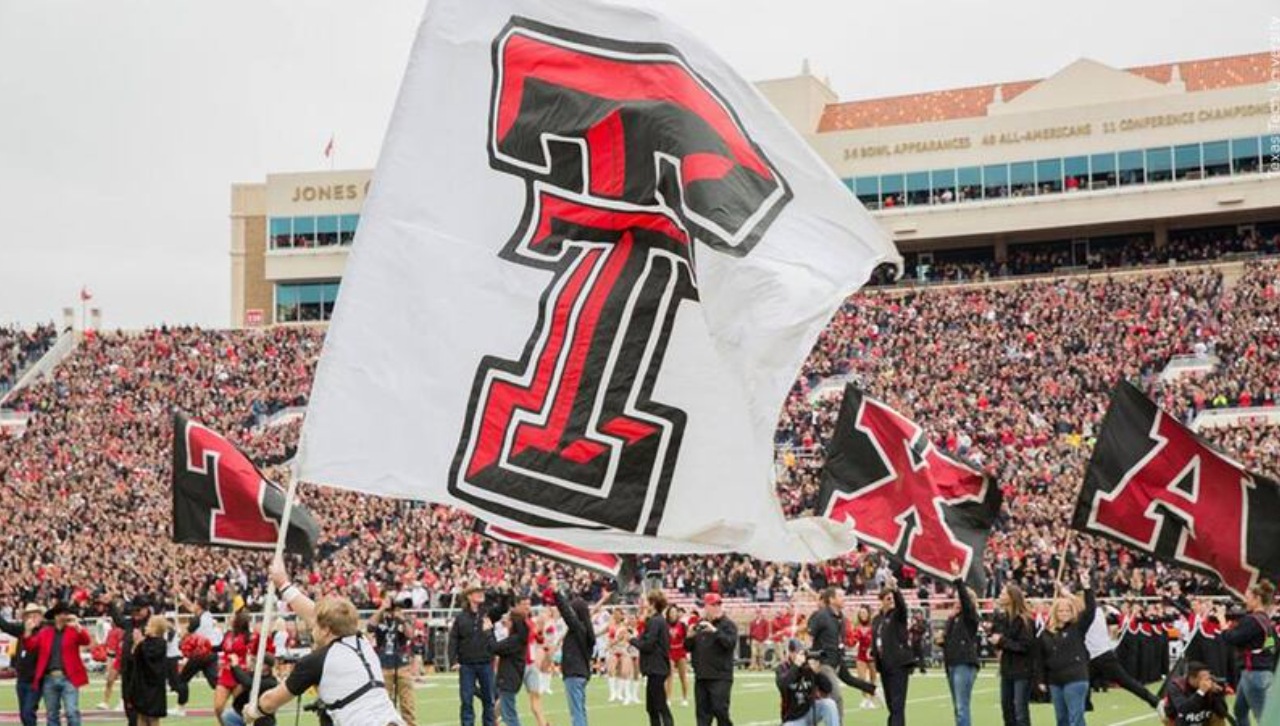
Kansas State Athletic Director Gene Taylor went as far as describing Sorsby’s eligibility for the 2026-2027 season as “f*****g b******t,” and believes it is “absolutely devastating” that the Texas Tech quarterback will be able to compete following the suspension. Georgia Athletic Director Josh Brooks stated the program “cannot in good conscience put our student-athletes on a field where the competitive integrity of the contest is compromised and overridden by the courts.”
Both Nebraska (Big Ten) and Georgia (SEC) have already committed to not scheduling Texas Tech for any collegiate sports in the 2026-2027 season, although the only time where Sorsby would play either program is in the College Football Playoff.
While the act of proposing a conference-wide ban against Texas Tech is being considered by the Big Ten, Big 12 and SEC, failing to compete in a College Football Playoff game is a difficult expectation no matter their feelings toward the ruling. Ultimately, there would be too much revenue at stake to potentially hand Texas Tech an automatic win or alter how the Playoff is currently formatted. Even in the Big 12’s respective case, any matchup played against Texas Tech would result in a dramatic increase in revenue for football programs, leaving the conference in a position of expressing its frustrations but little action to take.
In defense of his quarterback and university, Texas Tech Athletic Director Kirby Hocutt released a statement on June 10, having said, “I’ve heard the word ‘integrity’ used a great deal in the last 48 hours. As someone who has dedicated his career to college sports, I, too, believe integrity is central to our industry’s success. I also think integrity applies on more than one front.
“The integrity of sport matters. So does the integrity of how we treat a 22-year-old who sought help, entered residential treatment and is working every day toward recovery. Those two things don’t have to be in conflict. Pulling him out of a structured environment, away from his team and support system, does not protect anyone. It might be a cleaner headline, but it wouldn’t be the right one.”
Texas Tech Head Coach Joey McGuire stated “for some reason, as a society, we’ve been ok with other things that happen and allowing players to play, and this has been the one thing that has united people, that they were against.
“It’s crazy because it’s not murder, it’s not beating somebody – so there’s a lot of things that we’re working through. None of this is okay.”
While it’s certainly commendable that Hocutt plans to extend all possible assistance to Sorsby as he recovers from gambling addiction, it’s just as difficult to argue against the feelings shared by those such as Taylor. Given the ramifications of what leaving Texas Tech off numerous schedules would do for college football, expecting things to remain status quo may be the correct mindset until the first conference-wide ban is actually presented.
How will the Sorsby ruling define the NCAA’s future?
In a world where the NCAA was mainly concerned about name, image and likeness deals and five-, six- or even seven-year players attempting to maintain collegiate eligibility, the Sorsby ruling presents a new type of danger to the Association. With Curry stating the NCAA cannot prohibit Sorsby from actively competing or taking part in Texas Tech’s football program, imagine the ramifications such a ruling will have for similar cases down the line.
Letting the Texas Tech quarterback take the field in September would not only be a slap-in-the-face to years of NCAA oversight, but an outright hazard to any program he plays against
Any player of equal merit to Sorsby, one in which many top-tier universities battled for his services after transferring from Cincinnati, now understands that a strong legal team is all they need to counteract NCAA punishments. We’re speaking about a player who wagered over 9,000 times during his collegiate career getting the equivalent of a slap on the wrist despite openly admitting to violating NCAA codes of conduct. What does the benchmark have to be for removing a player’s eligibility if all Sorsby will face is a two-game suspension?
By no means is this to argue that Sorsby’s legal team did anything wrong either. They, for better or worse, used the gambling addiction he received treatment for as a reason to maintain eligibility for the upcoming season. What type of ramifications this may have on responsible gambling or addiction treatment remains to be seen, but it will certainly now be the go-to for any cases similar to that of Sorsby’s across all sports.
Take the ongoing investigations in the NBA and MLB, or even international examples involving athletes such as Joey Barton, Sandro Tonali and Ivan Toney. What if each of the athletes who were found to be placing wagers on their respective sports had stated they were suffering from a gambling addiction? While Sorsby may have not been directly involved with match-fixing as others have proven to be, his Indiana wagers certainly toe the ethical line of sports betting.
This case has the potential to define the future of college football, the NCAA and university athletics as a whole, especially when Sorsby first steps onto the field for regular season action. Has he now become the prime example of where sports betting can leave itself exposed to integrity malpractice, or will the NCAA regain control over the principles of collegiate athletics? Could this all be an overreaction to a young man who suffered from a genuine addiction and needs support now more than ever?
Perhaps, but one side only goes so far if Curry’s ruling ushers in the next phase of sports betting legality for NCAA programs.
Ultimately, we can’t allow an outcome where the main loser is the sport’s integrity itself.
Federal Judge Tanya Walton Pratt denied the NCAA’s motion for a temporary restraining order against DraftKings on March 27, which looked to stop the operator from using terms related to March Madness