






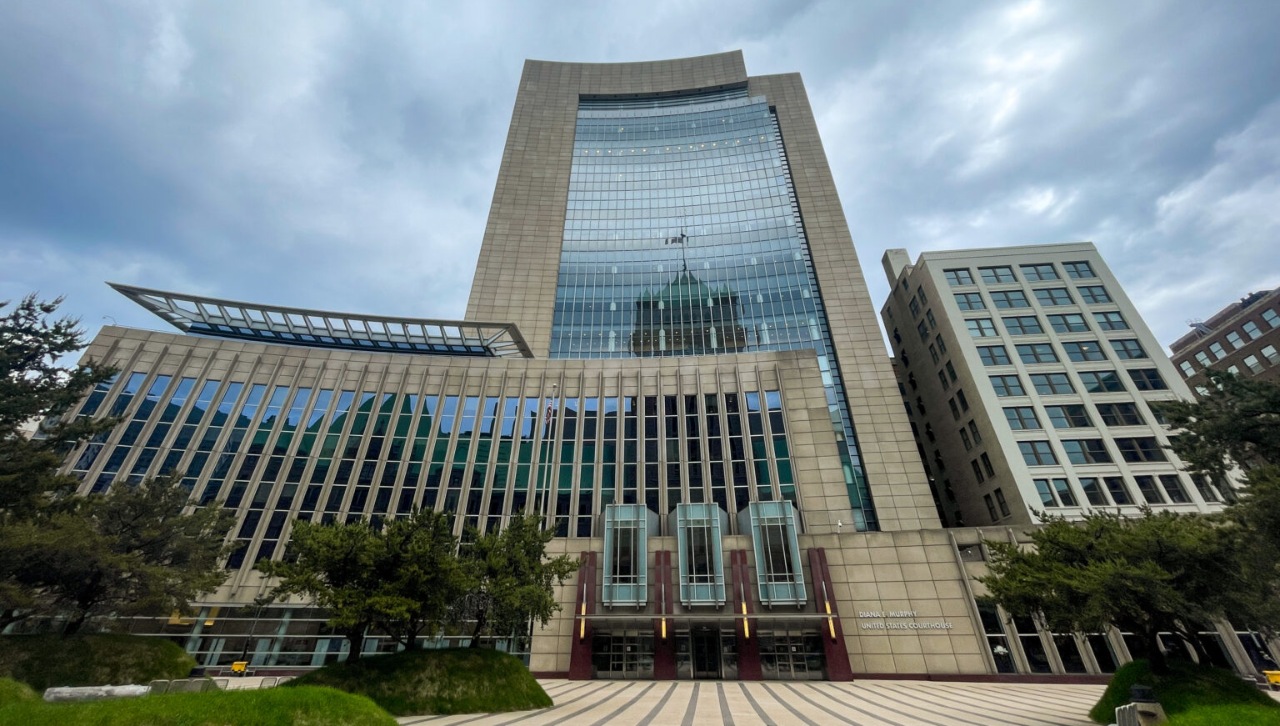
A federal judge in Minnesota has approved a request from the Commodity Futures Trading Commission (CFTC) to block Minnesota’s ban on prediction markets, which was set to go into effect on August 1.
The judge issued a temporary restraining order disallowing lawmakers from enforcing the legislation "until a final decision on the merits is reached in these cases.”
Governor Tim Walz signed a bill to prohibit prediction markets after the legislation was approved by the Minnesota government in May, resulting in lawsuits being filed by the CFTC, Kalshi and Polymarket.
Responding to the judge’s decision, Minnesota Attorney General Keith Ellison stated: "Prediction markets are gambling, plain and simple, and Minnesota has every right to keep predatory gambling out of our communities. We respectfully disagree with the Court's determination that the proper ‘status quo’ to maintain is one that allows predatory gambling apps to proliferate.
“However, we also acknowledge that the Court has been presented with complex legal issues that are difficult to decide quickly and without a fully developed record. We look forward to continuing to litigate this case and defend the State's duly passed law."
The CFTC had previously stated it would ask an appeals court to step in to help decide the case should a ruling not be provided by July 28. As part of its request, the CFTC argued that only the federal government has the authority to regulate derivatives markets and futures trading.
The result represents a notable victory for prediction market operators and the CFTC, as well as follows a similar decision in Arizona where Kalshi was granted reprieve following intervention from the Commission.
An Arizona federal judge approved a restraining order request from the CFTC which spelled the temporary suspension of Kalshi’s case – granting legal protection from state prosecution for the operator.
The NFL issued a letter to the Commodity Futures Trading Commission on July 27, recommending amendments to the Commission’s proposed rules for prediction market regulation