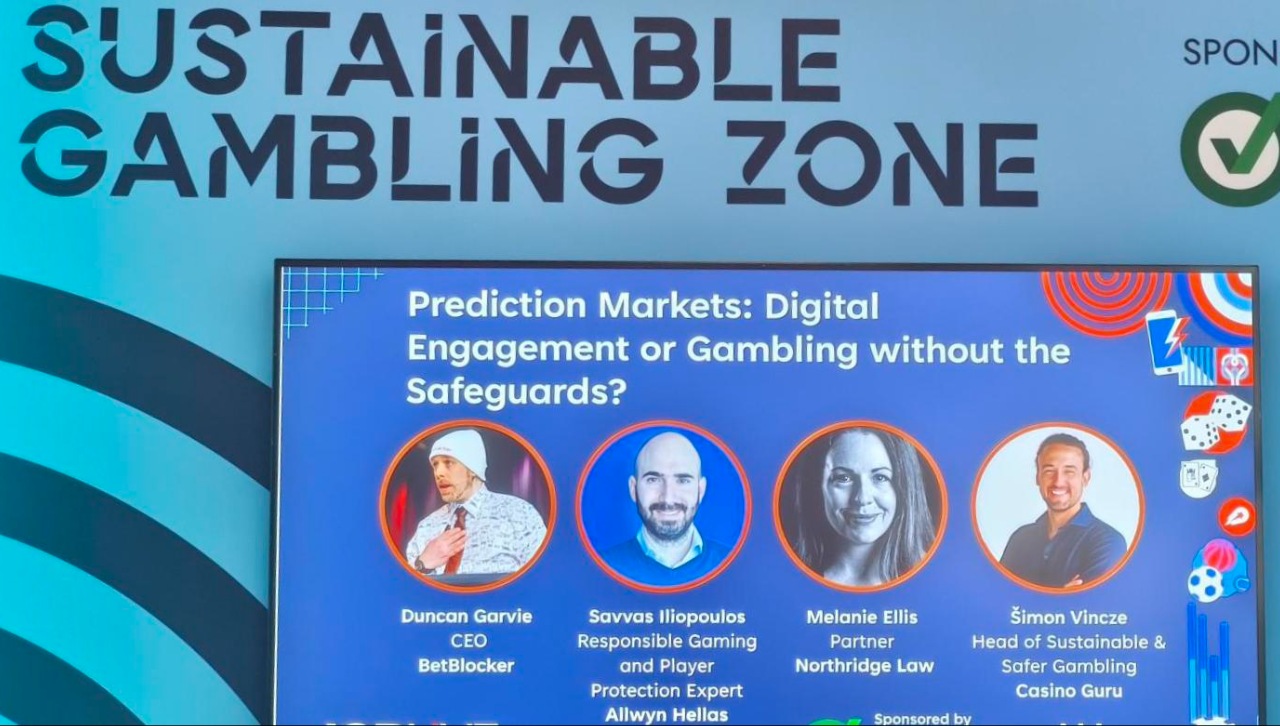
During a panel discussion titled “Prediction Markets: Digital Engagement or Gambling Without Safeguards?” at iGB Live in London, speakers debated how prediction markets should be regulated. They discussed whether consumers fully understand the products they use and how operators can implement appropriate consumer protections before regulators step in.
Prediction markets and their regulatory status in different jurisdictions
Much of the discussion focused on the rapid growth of US-based prediction market platforms such as Kalshi, which are regulated as financial products rather than gambling.
Melanie Ellis, Partner at Northridge Law, noted that the regulatory landscape differs significantly between the United States and Europe. While prediction markets have been able to operate under US trading market rules, regulators in the UK have taken a different position.
She said the UK Gambling Commission has made clear that operators offering comparable products to British consumers would require a gambling licence. Meanwhile, regulators in several European jurisdictions have blocked platforms such as Polymarket and Kalshi, deeming them unlicensed gambling.
Ellis acknowledged that prediction markets can serve a range of purposes beyond entertainment, including corporate risk management and hedging, creating additional regulatory complexity.
Do consumers perceive prediction markets as gambling?
A recurring theme throughout the discussion was whether prediction markets create a false sense of security by presenting themselves as trading or investment products rather than gambling. Šimon Vincze, Head of Safer Gambling at Casino Guru, warned that framing the products as investments increases the risk of harm.
While prediction market operators often argue that they are trading platforms, consumers may not recognise that they are engaging in gambling-like behaviour.
Responsible gambling should come voluntarily before regulation
Several panellists argued that prediction market operators should voluntarily adopt robust consumer protection measures before regulation forces them to do so.
Duncan Garvie, BetBlocker CEO, warned that operators failing to prioritise consumer protection risk attracting greater regulatory scrutiny in the future.
Vincze agreed, suggesting some operators may currently prefer the profitable status quo while the sector remains lightly regulated. However, he questioned whether such an approach is sustainable over the long term. Melanie Ellis, a Partner at Northridge Law, noted that if prediction markets gain traction in Europe, gambling regulators may need to create new enforcement tools, particularly concerning insider trading risks
Education and early intervention remain key
Savvas Iliopoulos, Responsible Gaming and Player Protection Expert at Allwyn Hellas, outlined how Allwyn has invested heavily in responsible gambling tools. He further argued that operators have a responsibility to provide entertaining products while ensuring customers remain protected.
Discussion returned to whether consumers might be especially vulnerable when prediction markets are promoted as trading platforms instead of gambling products.
Iliopoulos said education will be critical to helping consumers understand both the differences and similarities between prediction markets and traditional gambling, reducing the risk of users overestimating their skills.
Speakers further highlighted the role influencers and digital creators can play in promoting responsible gambling messaging rather than solely advertising gambling products.
Iliopoulos pointed to an Allwyn Greece responsible gambling campaign that partnered with influencers and content creators, generating more than 50 million impressions across YouTube and social media.
He argued that influencers should be educated to become part of the solution, helping raise awareness of responsible gambling principles among younger audiences.
What about risks around insider trading?
The panel also explored whether prediction markets could create unique integrity risks, particularly around insider information.
Garvie highlighted concerns about large volumes of trading taking place immediately before political announcements or other market-moving events, raising questions about whether some participants may possess privileged information.
Ellis suggested that if prediction markets become more widespread in Europe, gambling regulators may need to develop new enforcement tools.
While the Gambling Commission already has powers to prosecute cheating under the Gambling Act, she said those provisions were designed for traditional gambling rather than products resembling financial markets.
A collaborative approach
The discussion concluded with agreement that protecting consumers cannot fall solely on regulators or operators.
As prediction markets continue to evolve, speakers agreed that achieving the right balance between innovation, consumer choice and effective protection will require collaboration across the entire gambling ecosystem.
On June 23, reports surfaced of Zuckerberg forming a small team within Meta to begin developing an application similar to Kalshi and Polymarket, currently known as Arena