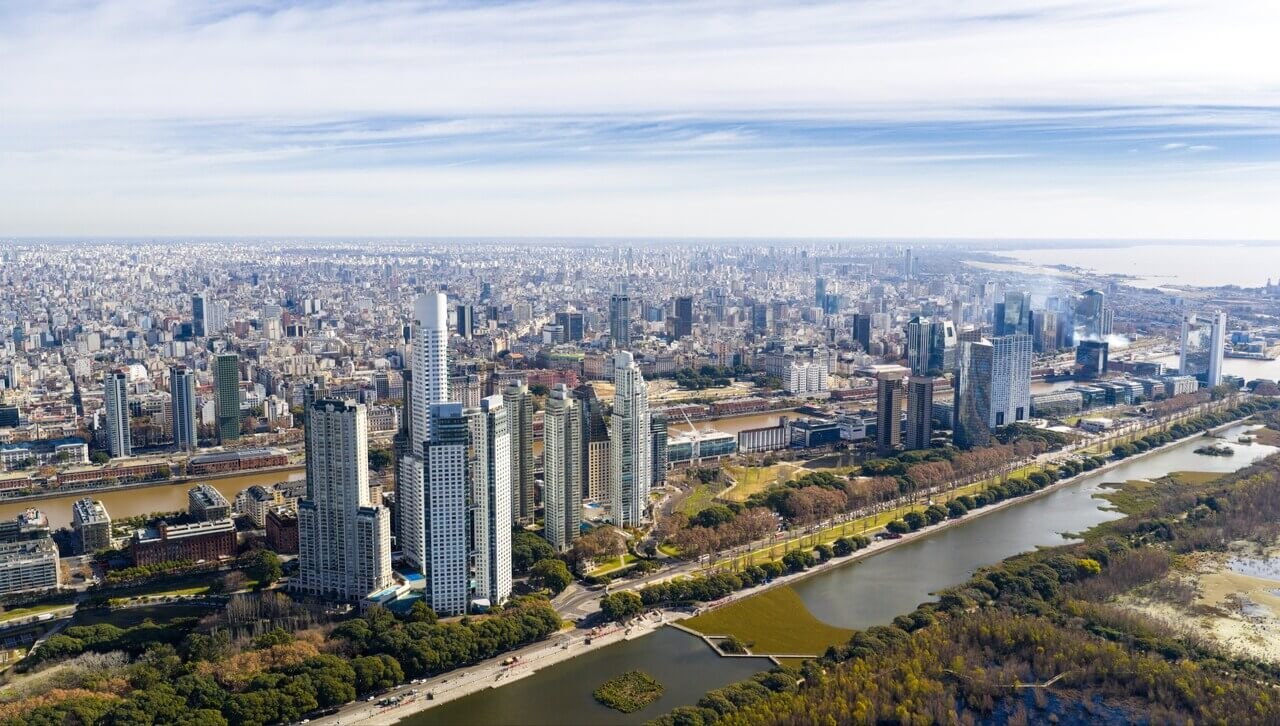
It would be logical to think that a city with a beach, high summer demand, international tourism and even hosting one of the largest Spanish-speaking music and arts festivals in the world would want to have a casino operating and generating revenue.
However, something went wrong: the casino in Viña del Mar received no bids, as did the one in Iquique, while Puerto Varas received two bids that were later rejected.
The rest of the casinos put out to tender, Coquimbo and Pucón, had slightly better luck: one bidder each, leaving little evidence of competitive demand.
But what happened? Is there a lack of interest in casinos? Is land-based gaming no longer profitable? Or is there a deeper problem?
The numbers behind the empty tenders
Chile's Superintendencia de Casinos de Juego (SCJ) closed the bidding stage for four municipal casino permits in early August with a result regulators had not seen before: half of the properties on offer, including the country's most historic gaming venue, drew no applicants at all. Coquimbo and Pucón each received a single bid. Viña del Mar and Iquique were declared unsuccessful, meaning the regulator must now restart both processes from scratch, with new tender conditions to attract operators.
The outcome matters because it is not an isolated failure. A separate tender for the casino in Puerto Varas, opened in April 2025 and covering one of southern Chile's main tourist hubs, produced two bids by January 2026, from companies linked to operator Dreams and to Peru's Corporación Meier.
The SCJ rejected both for failing to meet the bases' requirements and declared the process unsuccessful as well in mid-August, days before the Viña del Mar and Iquique results. Three failed or under-subscribed tenders inside a single year point to a structural problem with the concession model itself rather than to conditions specific to one city.
Pucón stands out as a different case. Its sole bidder, Casino Volcán Pucón SA, is linked to Inversiones Gran Pucón SpA, which in August acquired the property where the existing casino operates for about $9.6m. The same company also bought the Gran Hotel Pucón for $16.3m, bringing its recent acquisitions in Pucón to more than $25m.
That model, in place since 2015, requires winning bidders to pay municipalities a guaranteed minimum share of gaming revenue, fund infrastructure improvements and, in most cases, hand over the physical plant to the municipality at the end of the permit with no compensation.
Dreams, which held the Iquique license before returning it, said the terms converted its investment into an unrecoverable sunk cost, citing a required minimum annual payment of UF 68,000 on top of roughly $55m in construction costs and additional obligations such as a 1,500-person event hall and 380 parking spaces.
For Viña del Mar, the rejected bases called for an annual minimum payment near UF 394,000, about CLP 16.1bn ($17.2 m), plus up to UF 120,000 in public works on Avenida Perú and a requirement to keep 100% of the outgoing operator's staff.
Marina del Sol and Corporación Meier joined Dreams in publicly criticizing the design, and the three took the dispute to the Tribunal de Defensa de la Libre Competencia (TDLC), asking it to suspend the tenders altogether.
The TDLC rejected that request twice, most recently in early August, and the Fiscalía Nacional Económica separately concluded in late July that the conditions did not restrict competition, since they applied equally to every bidder and were disclosed in advance under the casino law.
The latest tenders show that value alone is no longer enough to make the concessions attractive
The fallout from Enjoy's collapse
Viña del Mar's vacancy is part of the fallout from Enjoy's restructuring, while Iquique became vacant after Dreams exited the municipality. A second judicial reorganization of Enjoy, approved by 99% of creditors in August 2024, split the company's assets into separate vehicles.
One, later renamed Casinos de Chile SpA and now controlled by creditors including BTG Pactual, WEG Capital and Avla Seguros, absorbed the casinos in Rinconada, Antofagasta, Chiloé, Viña del Mar, Coquimbo and Pucón. Enjoy itself was left operating just two casinos, in San Antonio and Los Ángeles, down from twelve a decade earlier.
Casinos de Chile now runs Viña del Mar, Coquimbo and Pucón while the SCJ searches for permanent operators, and Dreams similarly held Iquique on an interim basis before exiting.
What is at stake in these vacant tenders goes beyond a single concession fee. Viña del Mar's casino, a 34,000 square meter complex with 1,309 slot machines, 64 gaming tables and a 60-room hotel, traces its origins to the government of Carlos Ibáñez and remains, by most accounts, the country's best-known gaming venue.
Local officials have put its annual contribution to the municipal budget above CLP 30bn, close to a fifth of the city's total budget by some estimates and closer to 30% of its own source revenue by others.
Iquique's casino has historically played a comparable role for tourism and entertainment revenue in the Tarapacá region. Both cities depend on that income at a moment when the underlying tax base is already contracting.
In 2025, the 22 casinos operating under Chile's general casino law generated CLP 194.2bn in tax contributions, down 4.7% in real terms from the previous year, while gaming revenue fell 4.5% and visits dropped 7.2%, according to industry figures based on SCJ data.
The decline has continued into 2026. In the second quarter, the 22 casinos operating under the general casino law saw gaming revenue fall 8% in real terms year-on-year, while visits dropped 12.7% and tax contributions declined 8.87%.
The decline comes as Chile's regulated land-based casino sector faces growing competition for consumers from an expanding online betting market, although the data do not establish a direct causal link between online betting and the decline in land-based revenue.
The pressure on land-based gaming
The evidence shows that Chile's problem is not a lack of attractive casino markets, but a growing mismatch between what municipalities expect from casino concessions and what operators can justify investing.
Viña del Mar, Iquique and Puerto Varas remain commercially valuable gaming destinations, but the latest tenders show that value alone is no longer enough to make the concessions attractive.
With gaming revenue and visits falling, and operators facing high guaranteed payments, investment requirements and labor obligations, the 2015 auction model is being tested as never before.
Uruguay offers a different example of the same pressure on land-based gaming. Rather than struggling to attract an operator, the country is dealing with a private casino project that has struggled to reach the operating stage.
Cipriani's San Rafael casino in Punta del Este, awarded a 20-year concession conditional on the construction of a luxury resort, has been delayed until the 2027-28 season after construction problems. The group says it has invested about $250m in the project and is now discussing with the Uruguayan Government whether it could temporarily operate a casino at Locanda, its former Mantra hotel, while construction continues.
The SCJ's decision to cut Iquique's minimum payment by 71% shows that the regulator is already adjusting to that reality.
The next rounds in Iquique, Viña del Mar and Puerto Varas will truly test whether Chile can reshape casino economics without putting municipal revenues at risk. Auctioneers, ready.
Enjoy has sold the Gran Hotel Pucón to a former company executive as part of its ongoing corporate reorganization, with the buyer also bidding for the casino license