








Will Brazil finally settle the gambling criminalization debate?
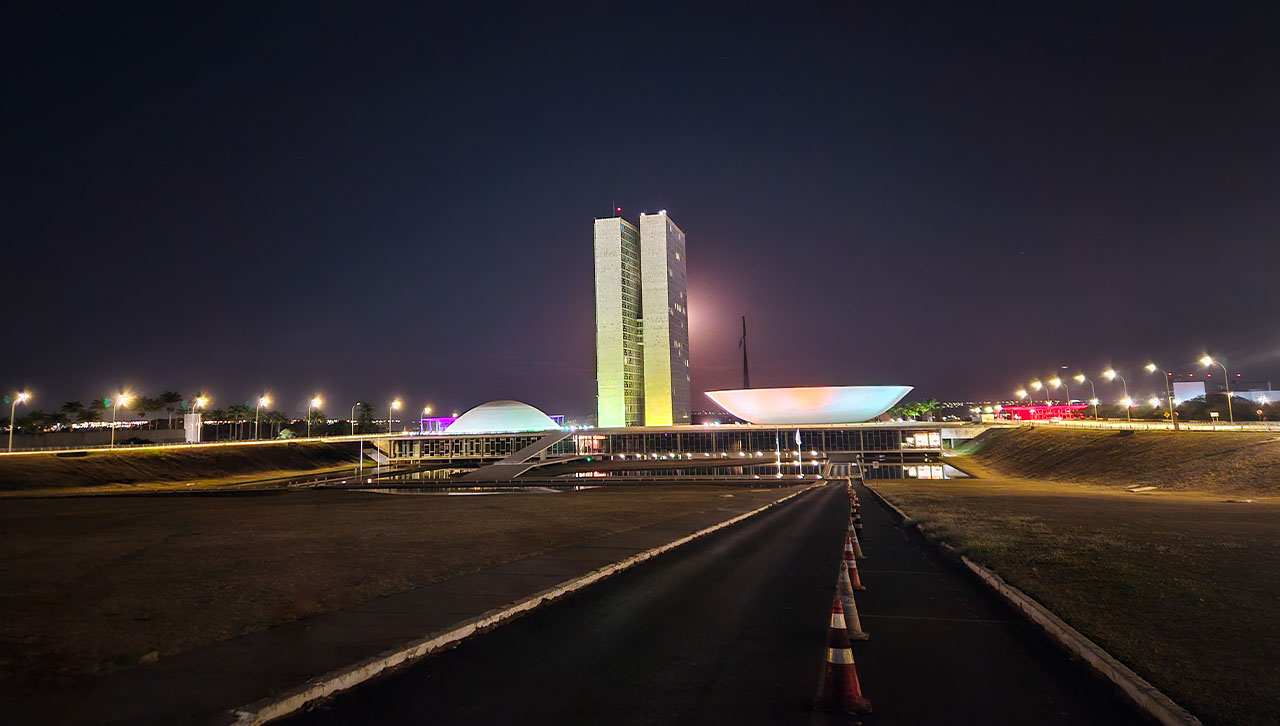
Brazil’s Supreme Federal Court will hear a landmark case on 5 August that could determine whether gambling has remained a criminal offence since the country’s 1988 Constitution.
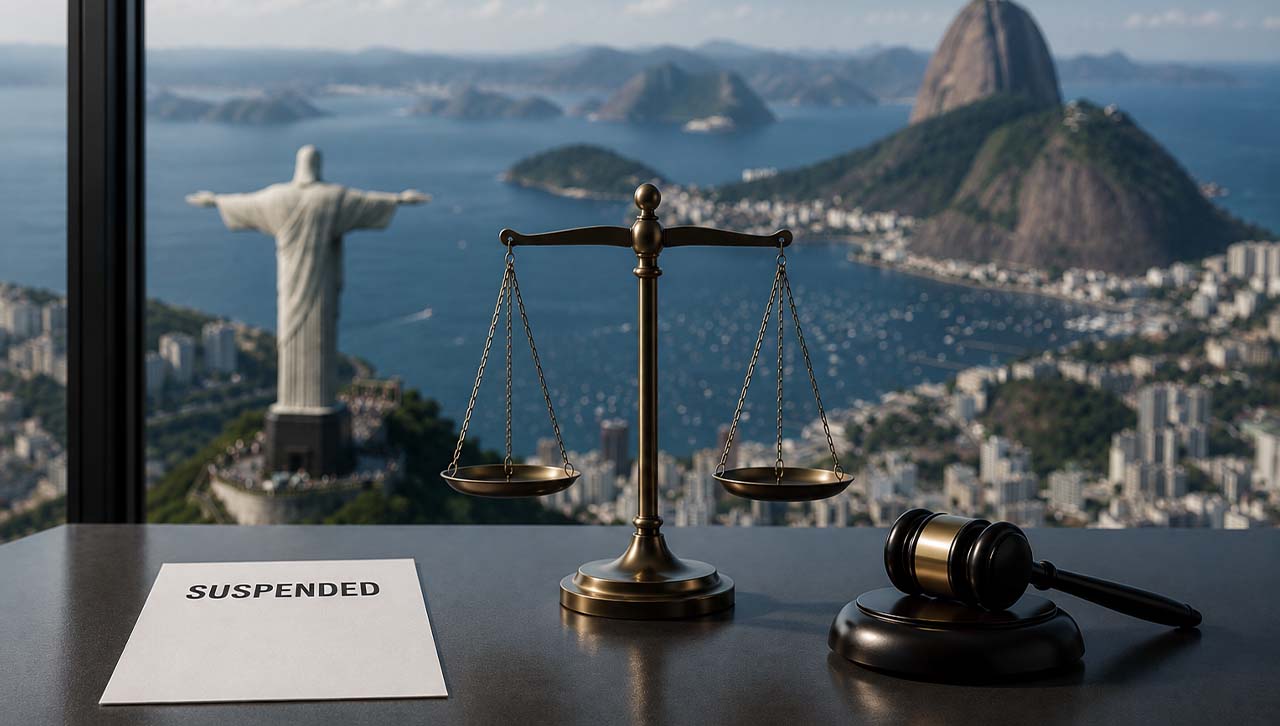
A court in Rio de Janeiro has ordered the suspension of an illegal operation after prosecutors alleged the company fraudulently used Loterj’s identity to appear licensed.
A Brazilian court has ruled that a betting operator must pay a customer the full value of a jackpot after declaring a previous settlement agreement “manifestly disproportionate.”
Dá Sorte has officially launched operations in São Paulo following the signing of a new lottery concession.
The gaming sector accounted for 73.3% of all suspicious transaction reports received by the Financial Intelligence Office during the period.
Lawmakers and public-health representatives called for tighter controls on influencer campaigns, athlete promotions and football sponsorships.
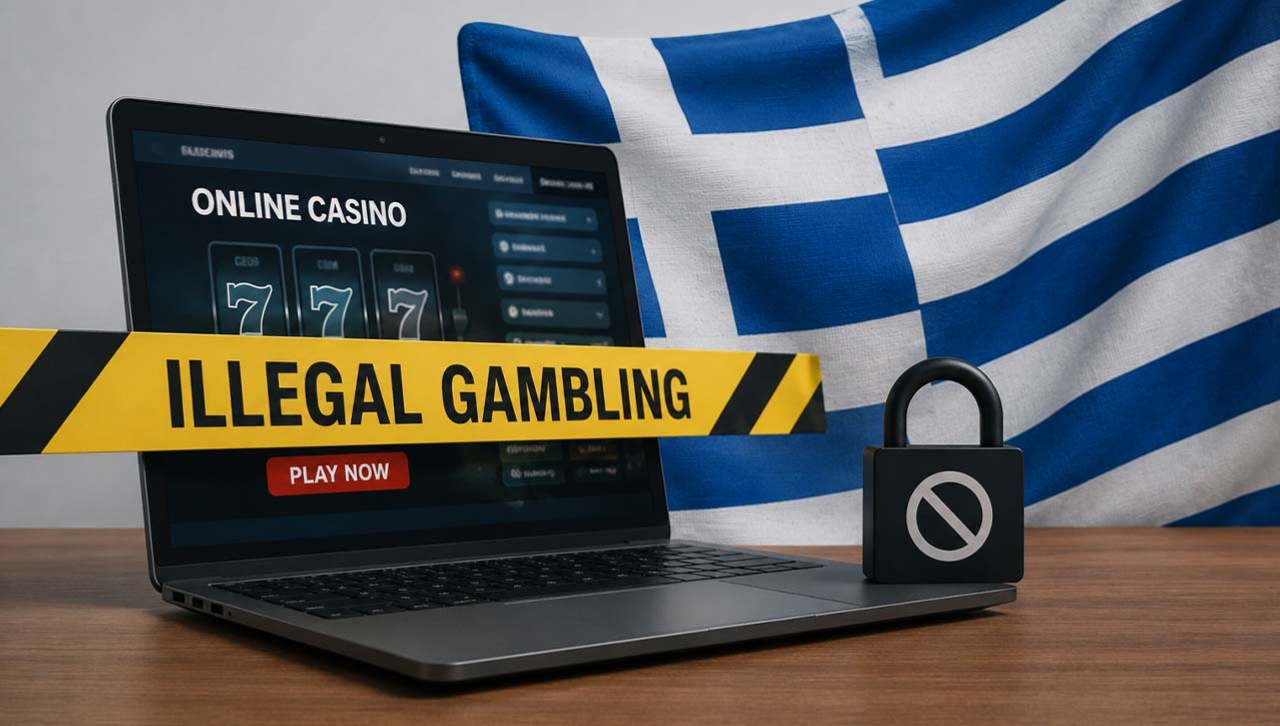
The regulator noted that Greece's channelisation rate remains below the European average, leaving further scope to reduce the size of the illegal gambling market.
The case adds to regulatory scrutiny of registered club governance in NSW, where procurement, property transactions and gaming compliance remain enforcement priorities.
The audits covered responsible gaming, CSR, compliance and anti-corruption systems across headquarters, casinos and WINWIN outlets.
Greece is reviewing its online gambling KYC framework to keep pace with the sector's rapid growth and strengthen compliance with European anti-money laundering and data protection rules.