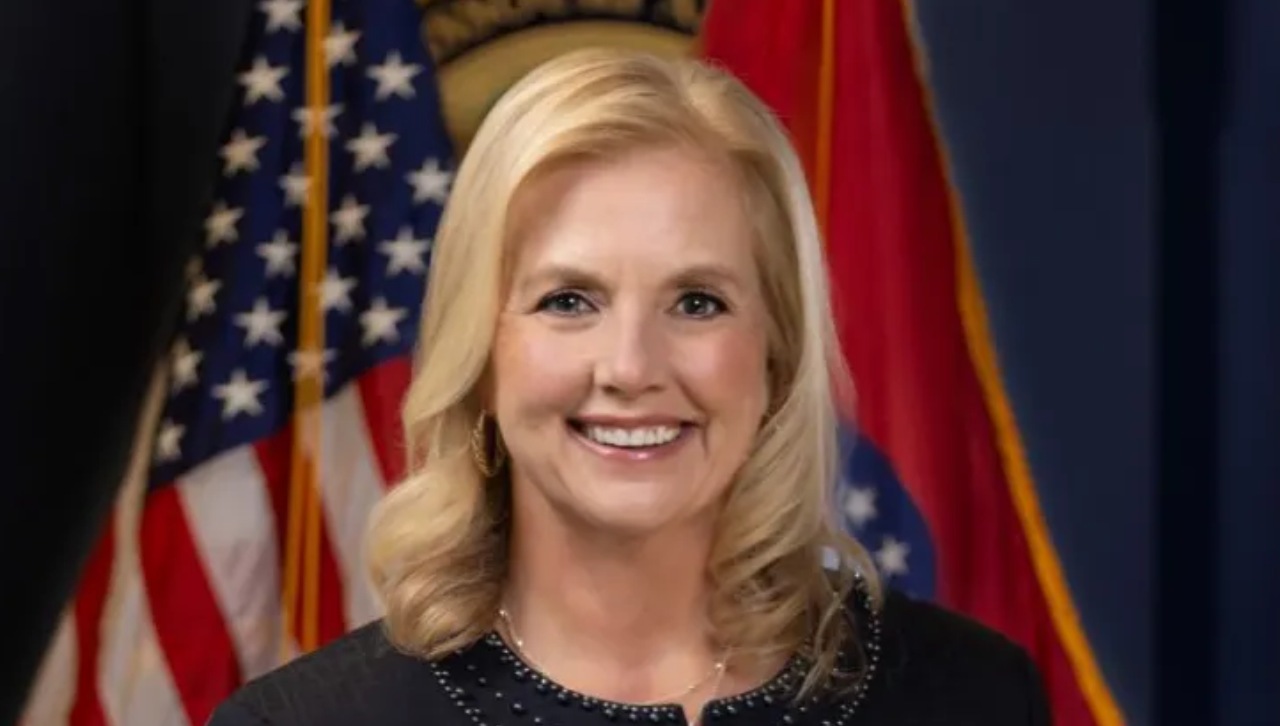




The Governor of Rondônia, Marcos Rocha, has submitted a bill to the state legislative assembly seeking authorization to create and regulate a state-run lottery.
This move positions the northern state alongside a growing number of Brazilian jurisdictions moving to establish their own betting frameworks.
The proposal was formally received and registered by the Legislative Assembly of Rondônia (ALE/RO) and will now be analyzed by the relevant committees before being put to a plenary vote.
If approved, the measure would allow the state to explore lottery activities as a source of funding for public policies, with an emphasis on social investment and reducing regional inequalities.
Rocha argued that the initiative is intended to place Rondônia “at the forefront” of lottery exploitation at state level.
According to the Governor, the model seeks to ensure a return to society both through prize payments to players and through the allocation of proceeds to public purposes.
Rather than limiting the scope to traditional lottery products, the bill adopts a broad definition of fixed-odds lottery activities.
The text explicitly includes online sports betting, digital games, lottery-style football pools and scratchcards among the authorized modalities.
These products could operate using the Rondônia state brand, provided they comply with requirements to be defined in subsequent regulation.
The move also mirrors developments in neighboring states.
Just across Rondônia’s border, Acre recently sanctioned legislation authorizing its first state lottery after vetoing a proposed ban on betting, highlighting a regional trend toward decentralized lottery models and state-level regulation.
Mato Grosso do Sul’s state lottery, Lotesul, has recently launched a dedicated institutional page within the State Secretariat of Finance’s website