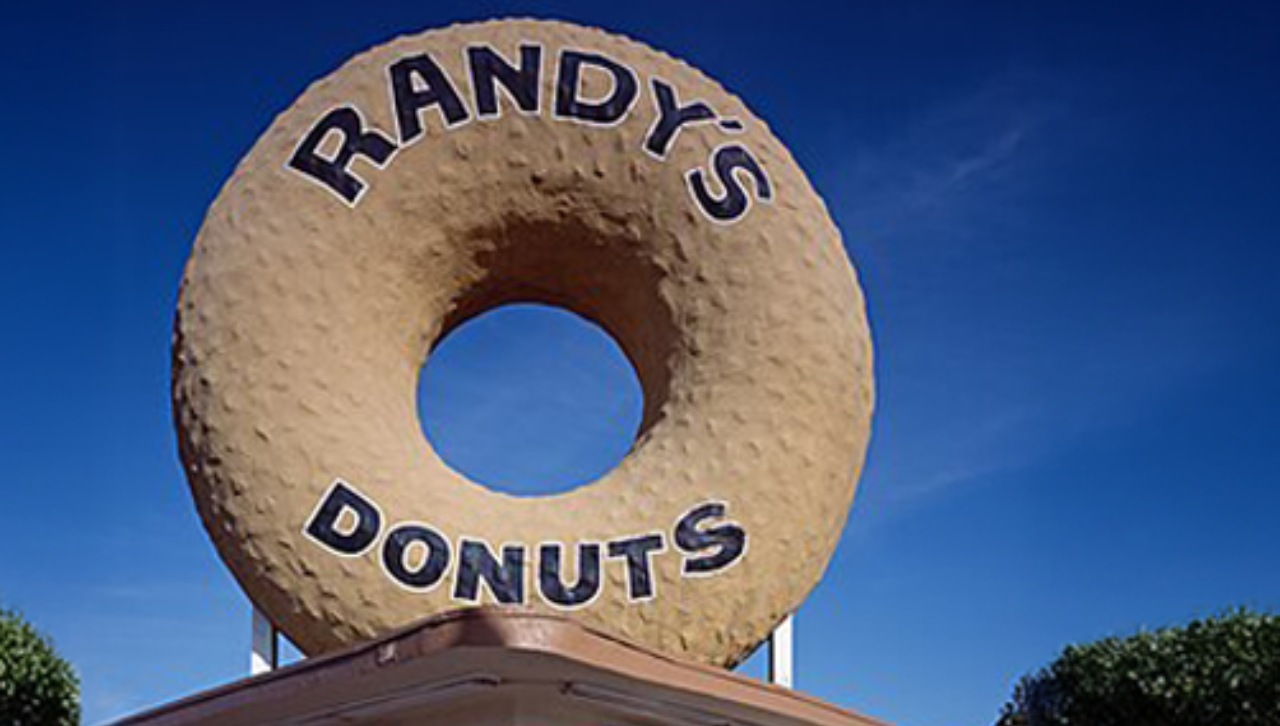
Randy's Donuts, the Los Angeles-based bakery chain perhaps best known for the giant rooftop donut atop its Inglewood flagship, is set to open a new location at Red Rock Casino, Resort & Spa in Summerlin on 8 May 2026.
The outlet will sit within the resort's food court as part of a wider culinary refresh at the property.
The move marks another bite into the city’s competitive hospitality landscape as Randy’s looks to expand to a new dough-main.
Founded in 1952, Randy's has spent over seven decades building a following across the US and beyond. Its Inglewood location has featured in a number of films, television shows and music videos over the years, lending the brand a degree of recognition that likely precedes its Las Vegas presence for many visitors.
The new outlet will feature more than 50 varieties, including core staples such as Glazed Raised and Chocolate Raised, alongside speciality items like Apple Fritters and Butter Crumb Raised – certainly no half-baked selection!
A range of hot and cold beverages will also be available, aiming to ‘round out’ the experience for casino guests and local visitors alike.
To celebrate the launch, customers visiting on opening day can receive a complimentary glazed donut between 6am and 12pm – an early incentive that could prove the icing on the cake… Or rather, the glaze on the donut.
The arrival of Randy's is one of several developments at Red Rock Casino as its parent company, Red Rock Resorts, navigates a mixed financial picture. The operator posted Q1 2026 net revenue of $507.3m – up 1.9% year-over-year – though net income slipped 3.8% to $82.7m and adjusted EBITDA fell 1.2% to $212.6m.
That follows a stronger full-year 2025, in which net income grew 22.1% to $355.7m and Las Vegas operations revenue approached $2bn.
Whether Red Rock's fortunes are set to keep rising in 2026 remains to be seen – but at least now the donuts certainly will be.
Red Rock Resorts generated $340.5m from casino operations in Q1 2026, but its food and beverage segment still brought in over $90m – showing that non-gaming revenue streams continue to play a meaningful supporting role