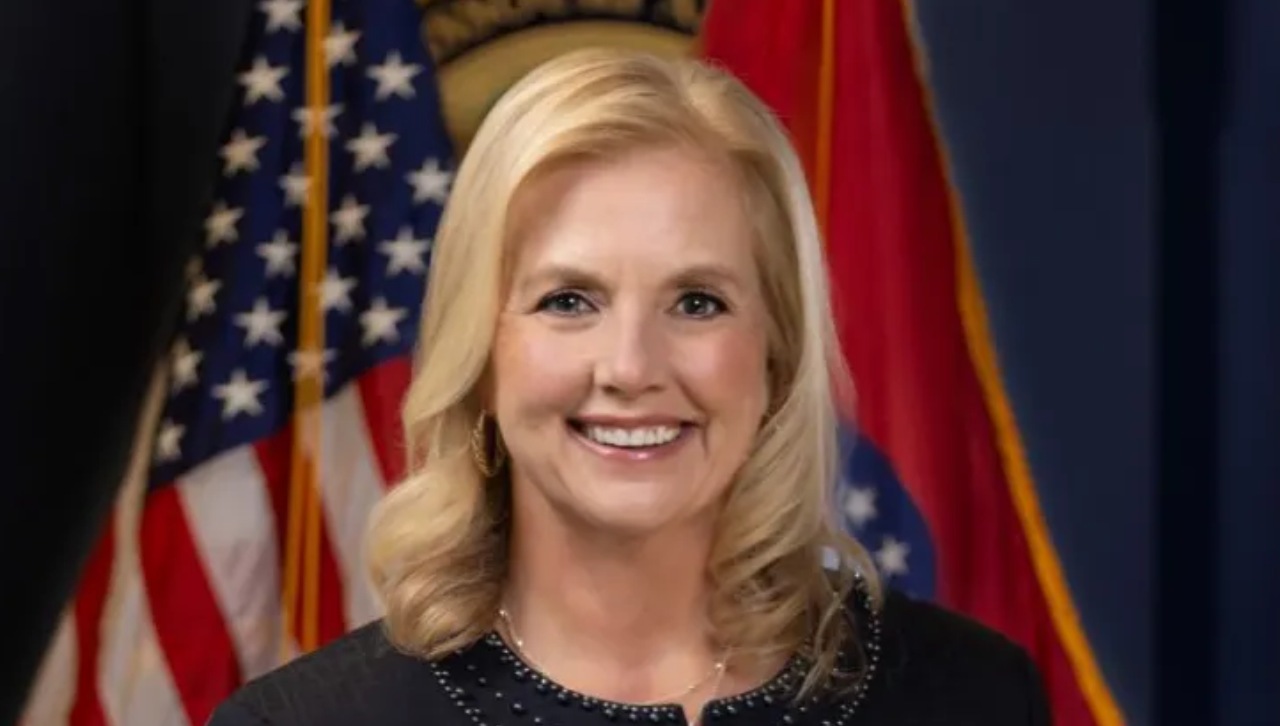











A public hearing at the Legislative Assembly of Rio Grande do Sul is set to bring together a range of stakeholders to discuss concerns surrounding proposed sports betting legislation, adding further complexity to the state government’s plans to expand gambling activities.
The hearing, organised by state deputy Tiago Simon, will include representatives from consumer protection bodies, legal institutions and business associations.
Confirmed participants include the Public Defender’s Office, the Public Prosecutor’s Office and trade groups such as Federasul and Abrasel, reflecting a broad cross-section of civil society.
At the centre of the debate is a proposal linked to the relaunch of the state lottery, Lotergs, under a concession model.
The plan, backed by the administration of Governor Eduardo Leite, would allow private operators to offer multiple betting modalities, including sports betting, alongside traditional lottery products.
However, the inclusion of betting has faced resistance from both political figures and industry groups. Critics have raised concerns about the potential impact on household finances, consumption patterns and public health.
Simon has publicly questioned the rationale for state involvement in gambling expansion, arguing that the risks may outweigh the benefits.
Despite opposition, some policymakers view the initiative as an opportunity to generate revenue and attract investment.
State-level accreditation for betting operators is expected to be part of the framework, with proposed licensing costs lower than federal requirements.
The Government has yet to formally submit the final bill to the legislature, indicating that discussions with its political base are ongoing.
The outcome of the public hearing may influence how the proposal evolves as authorities seek to balance economic objectives with social considerations.
Brazil allows both federal and state-level lottery systems, enabling individual states to develop their own gambling frameworks alongside national regulation