



The US District Court of Massachusetts has ruled at federal level that the ongoing case of Kalshi vs the state of Massachusetts will now be heard at state-level court - a final ruling that is not open to appeal.
Now, the case against Kalshi's sports event contracts in Massachusetts will be heard by the Superior Court for Suffolk County - providing a what appears to be a tangible home advantage to the state of Massachusetts against the operator.
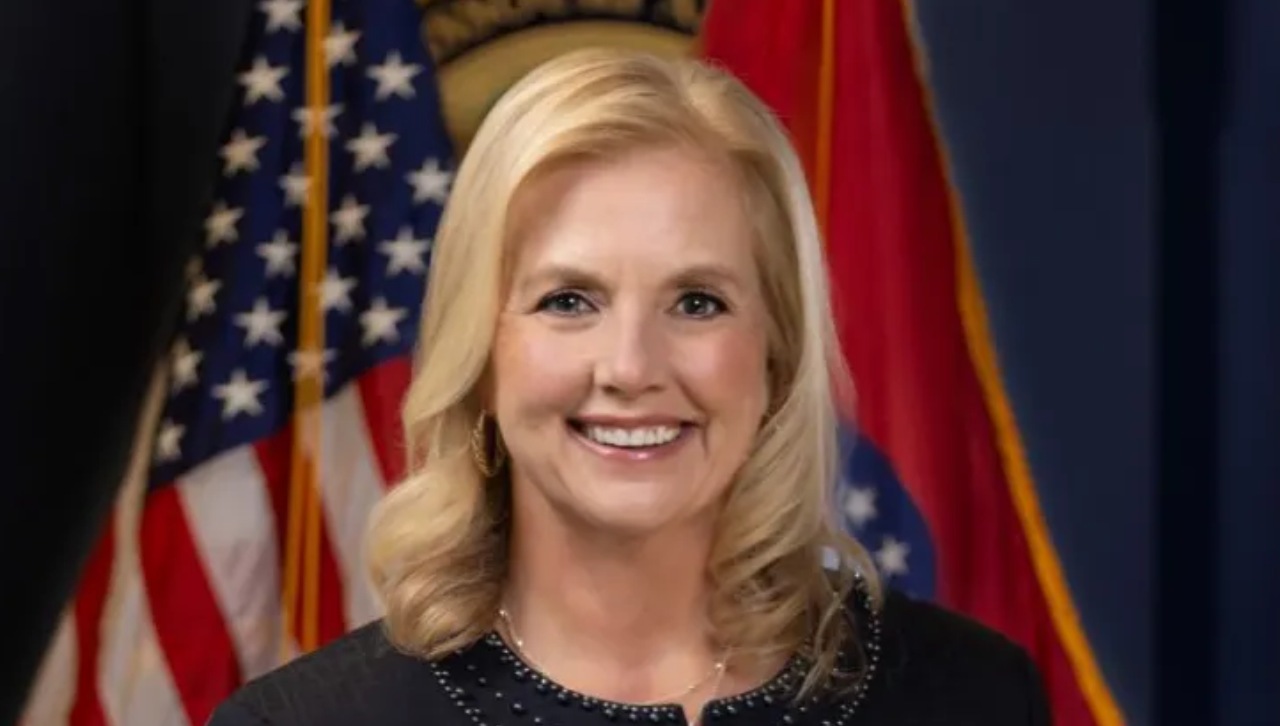
This advantage stems from the fact that Kalshi's primary legal arguments lean heavily on federal rather than state regulations. Indeed, after Massachusetts Attorney General Andrea Campbell sued Kalshi last month, Kalshi immediately challenged that the ruling should be heard in a federal court, where the operator has won two previous injunctions against New Jersey and Nevada.
However, these injunctions stemmed from legal action taken against the operator from state gambling regulators - with Campbell being the first Attorney General to sue a prediction market operator. Similarly to other challenges against Kalshi, however, the state of Massachusetts alleges that the operator is illegally offering sports wagering products without the necessary licensure within state bounds.
As in all of its recent cases, Kalshi retorts that state laws don't apply, as the Commodity Exchange Act outlines that prediction markets may only be regulated by the Commodity Futures Trading Commission (CFTC), who have still yet to comment on the legality of sports event futures contracts.
The judge on this case, Richard G. Stearns, has ushered legal proceedings toward state level based on what is - in his opinion - an untrue definition of 'complete pre-emption' by Kalshi, which was presented as part of the operator's argument to have the case heard in federal court. Stearns stated: "Kalshi does not contend that the federal Commodity Exchange Act (CEA) completely pre-empts the state's traditional police power to regulate sports gambling within its borders. It argues only that the CEA precludes regulation of the specific subset of sports gambling that Kalshi offers - wagering on designated contract markets. This is a plain vanilla federal pre-emption defense, not a claim of complete pre-emption."
Recent related prediction market action saw Crypto.com halt its operations in Nevada this week, following official suspension from the state's Gaming Control Board in the wake of a denial of its request for a preliminary injunction against the regulator. Interestingly, less than 24 hours later, the operator launched its prediction markets via Donald Trump-owned social media - Truth Social.
Elsewhere this week, Kalshi also filed a lawsuit against the New York State Gaming Commission for allegedly overstepping its regulatory oversight by attempting to outlaw its markets from the state.
Kalshi has had both successes and failures in the courts recently, with the state of Maryland denying the operator's request for preliminary injunction against the state regulator's prior cease and desist