
















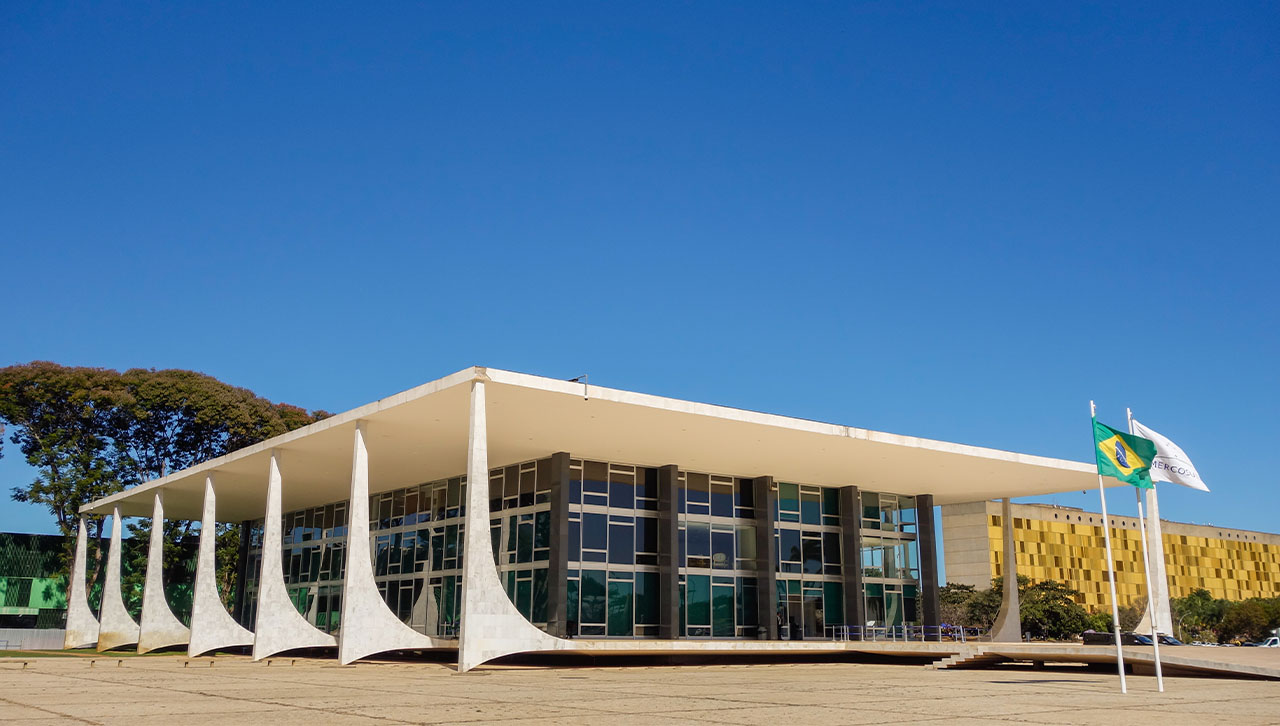
Brazil’s Supreme Federal Court (STF) has scheduled the judgment of Extraordinary Appeal (RE) 966.177 for April 23, marking a pivotal moment for the legal status of gambling in the country.
The case, which has had general repercussions since 2016, will determine whether Article 50 of the 1941 Law of Criminal Misdemeanours, which prohibits the operation of games of chance, remains compatible with the national Constitution.
The ruling is expected to have wide-ranging implications for both the regulated betting sector and enforcement actions linked to illegal gambling.
At the core of the dispute is whether the criminalization of gambling activities conflicts with constitutional principles such as free enterprise and individual liberties.
Lower courts in Brazilian states have previously ruled that such activities should not be treated as criminal offenses, creating inconsistencies across jurisdictions.
The prolonged delay in reaching a final decision has generated legal uncertainty, particularly in cases involving money laundering, where gambling offenses often serve as the underlying crime.
Courts across Brazil have, in some instances, suspended proceedings while awaiting the STF’s interpretation.
Legal representatives involved in the case argue that the current framework creates a regulatory asymmetry, where fixed-odds betting is permitted and regulated in digital environments, while similar activities remain prohibited in physical settings.
This distinction, they claim, raises concerns around legal coherence and equal treatment under the law.
The upcoming judgment could lead to two primary scenarios: either reaffirming gambling as a criminal offense nationwide or effectively decriminalizing the activity, which would require new legislation to establish a regulatory framework for land-based operations.
President Lula da Silva has previously expressed opposition to fixed-odds betting in Brazil and has called for stricter measures, including the possibility of a full ban