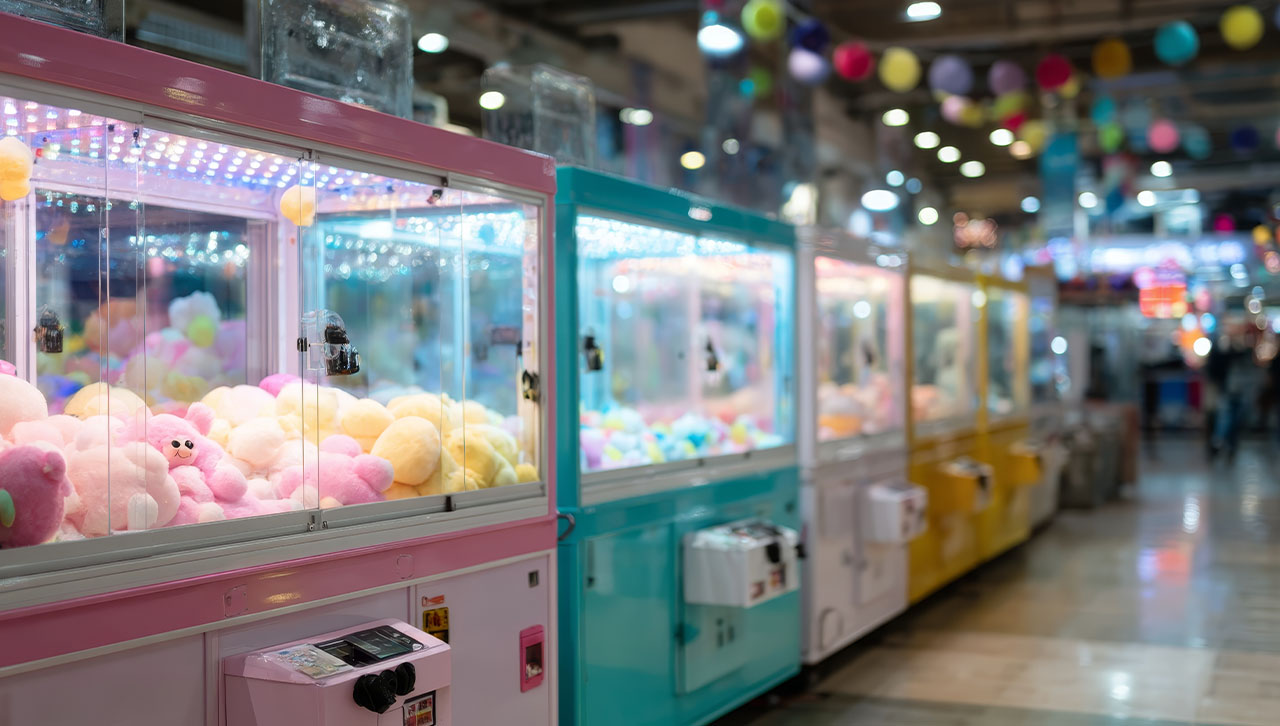
Hong Kong authorities are moving to amend the Gambling Ordinance to strengthen oversight of claw machine shops and pinball-style gaming outlets, amid concerns that some operations contain gambling elements and disproportionately attract teenagers, as reported by local media.
Currently, operators of prize gaming machines must hold an Amusements with Prizes Licence, which requires a Public Entertainment Venue license as a prerequisite. However, a 2022 High Court ruling determined that standard claw machines do not meet the legal definition of “entertainment” under the Places of Public Entertainment Ordinance. As a result, many claw machine shops are not required to obtain either license, creating a regulatory gap.
Officials now propose decoupling the two licensing systems, allowing authorities to issue prize gaming licenses directly to individual machines based on their nature. Operators would be required to display license notices prominently and comply with additional conditions, potentially including warnings about gambling addiction risks.
Consumer advocates have reported increasing complaints in recent years, including allegations that machines are manipulated so claws loosen even after grabbing prizes, or that high-value rewards resemble cash-based gambling. Some shops have reportedly replaced plush toys with dice-based prize systems, raising further legal concerns.
Pinball-style gaming outlets, which must already obtain prize gaming licenses, have also drawn scrutiny over game mechanics involving odds, point accumulation and high-value rewards such as smartphones.
Experts and youth groups warn that teenagers are particularly vulnerable, as some prize structures and “guaranteed win” mechanisms may encourage repeated spending under the illusion of skill. Authorities are expected to balance consumer protection, youth safeguarding and business interests as the proposed amendments move forward.
April data from consumer authorities show a rise in complaints over claw machines, including alleged manipulation and misleading prize claims