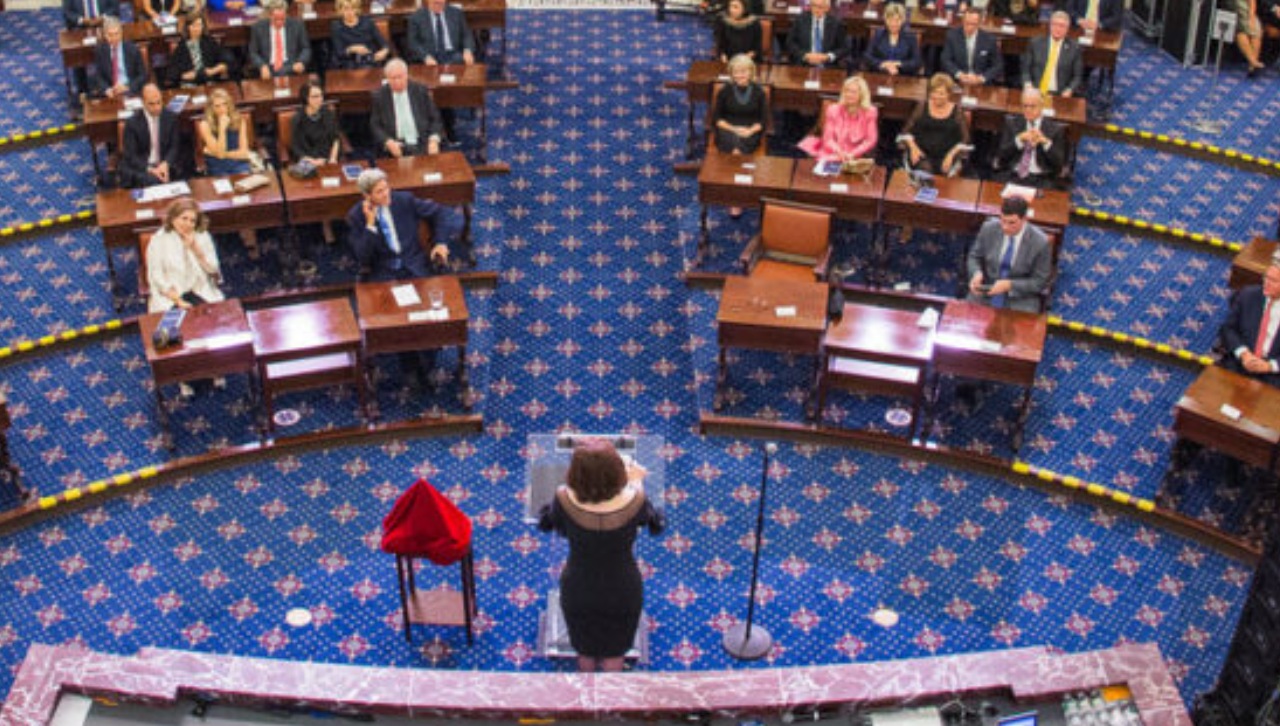
















The Buenos Aires Chamber of Official Lottery Agents and Related Entities (Coalab) inaugurated its first-owned headquarters in La Plata, marking a milestone for an organization that has operated out of rented offices since its founding more than three decades ago.
The new space comes as the chamber prepares to roll out retail sports betting across its network of roughly 2,000 agencies and 3,000 license holders throughout the province.
Marcelo Iglesias, President of Coalab, said: "It is the home of all agency owners, the result of savings and an organized management, without the need to take on debt."
The sports betting push has been in motion since at least April 2025, when Coalab confirmed the decision to introduce regulated wagering at official lottery outlets. The product is designed as a pre-match-only offering, meaning bets must be placed before an event begins, and will initially cover only three outcomes per match.
Iglesias has described it as a modernized version of the Prode, the sports prediction game that accompanied major football tournaments in Argentina for decades.
Claudio Marino, Secretary of Coalab, said: "The board is made up of agency owners who work on an honorary basis. The membership fee is minimal, but it allows us to sustain the structure and move forward on strategic projects."
Both officials identified the growth of unlicensed online gambling as the sector's most serious problem. The province currently has only seven authorized digital platforms, while an undefined number of offshore and clandestine operators continue to attract users with no regulatory oversight.
Marino said: "Today there is an endless supply of illegal bets on the internet. Users often don't know where their money is going."
Iglesias went further, warning that revenues flowing through illegal channels could end up financing organized crime. Both leaders also pointed to a technological gap that compounds the problem: Argentinian telecommunications regulator Enacom lacks the authority to block unlicensed sites on its own initiative, and court-ordered takedowns are slow enough that operators can migrate to new domains almost immediately.
On the issue of problem gambling, Marino drew a distinction between physical agencies, which he said operate with known clientele and informal age controls, and unregulated apps where minors can place bets from their phones without any form of identity verification.
The chamber also acknowledged that agencies are navigating one of their most difficult periods economically, with lower consumer spending hitting a customer base made up primarily of wage earners. The pending sports betting product, alongside instant lottery formats, is being positioned as a channel to bring volume back into licensed retail.
Buenos Aires Province's retail sports betting project was first unveiled in 2025, when lottery agencies confirmed plans to offer prematch wagering through their existing retail network