
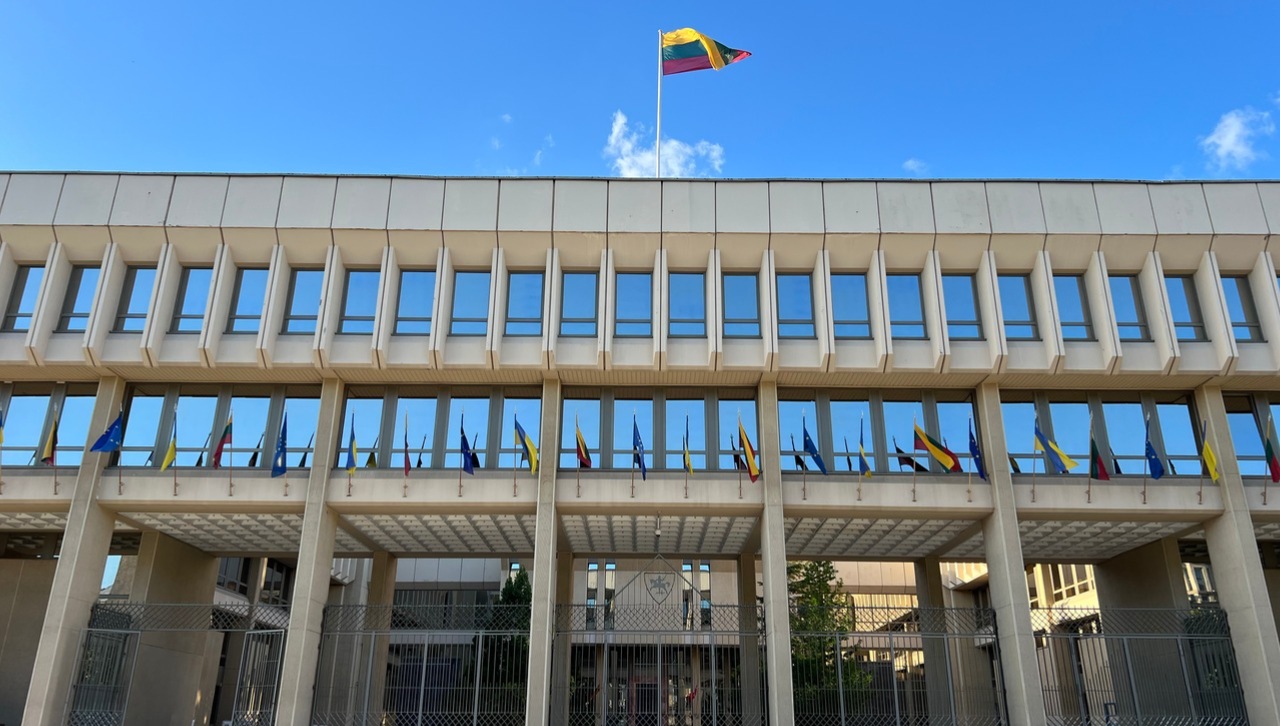
The Lithuanian Government has approved a proposal to introduce mandatory player cards and eliminate cash payments in gambling venues. These measures were drafted by the Ministry of Finance and form part of proposed amendments to the Law on Gambling and the Law on the Prevention of Money Laundering. However, they still need to be approved by the Seimas (Parliament).
It has been reported that these player cards will enable the centralised recording of player activity. All transactions will be stored in a central database, allowing authorities and operators to better manage risks and prevent excessive losses.
Minister of Finance Kristupas Vaitiekūnas stated earlier: “A player card is an essential tool for implementing responsible gambling policy. This strengthens the prevention of problem gambling and ensures that the main goal – reducing the accessibility of gambling and potential harm to health – is actually achieved.”
Furthermore, new regulations will eliminate excessive administrative requirements for businesses, reducing unnecessary bureaucratic burden. The proposal would also grant the Gambling Supervisory Authority greater powers to supervise the sector more efficiently.
To ensure the smooth implementation of the new law, its provisions will take effect on different dates. The changes aimed at enhancing regulators' supervision and eliminating excessive business requirements will take effect on 1 May 2027.
Meanwhile, implementing the player card is a complex and technically demanding process, so a transition period is planned. It is proposed that the provisions related to the introduction of this card come into force on 1 January 2029.
The Lithuanian Gaming Supervisory Authority recently published its Q1 2026 data showing that operators’ GGR reached €65.7m ($75.3m), up 6% compared with the same period last year