Brazilian senators, consumer advocates and public-sector representatives have renewed calls for tighter controls on fixed-odds betting advertising, with particular focus on digital influencers, athletes and football club sponsorships.
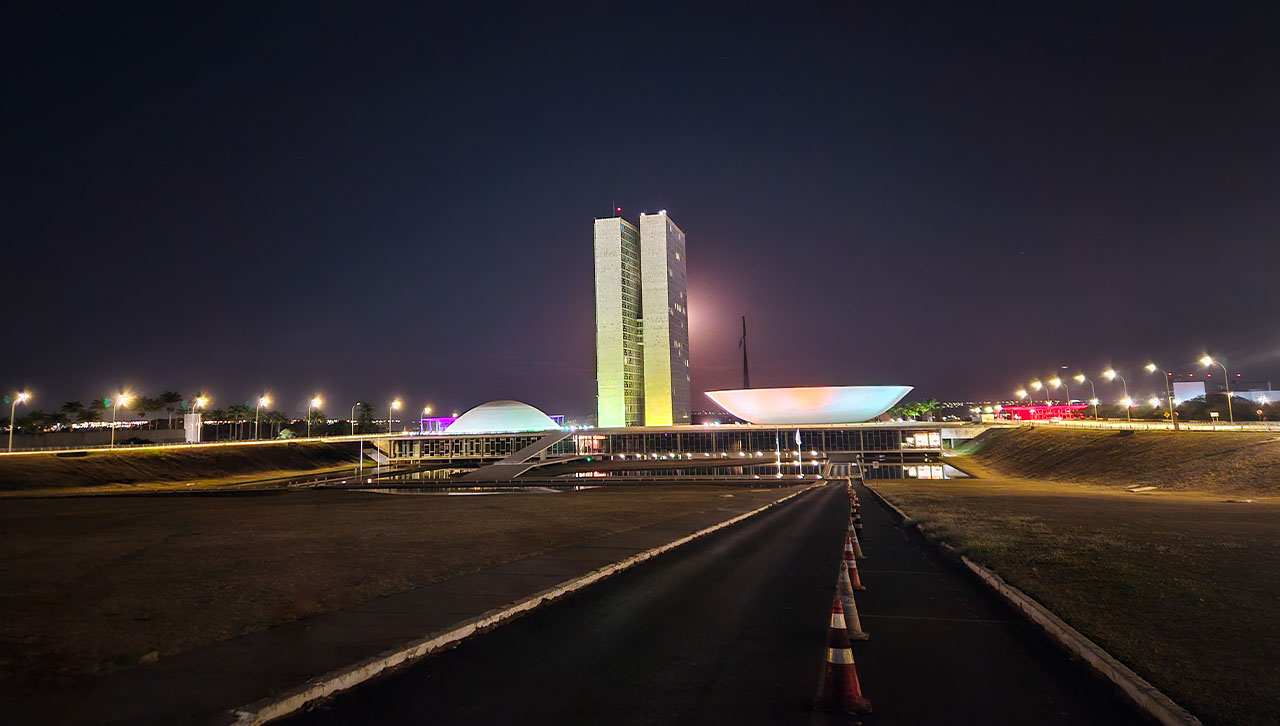
The discussion took place during a public hearing held jointly by the Senate’s Human Rights Committee and Social Affairs Committee, as Brazil continues to review the social effects of its regulated betting market.
Fixed-odds betting was authorized in Brazil under Law 13.756 of 2018, but sector-specific regulation was only consolidated through Law 14.790 of 2023.
The regulated online betting market then opened in January 2025, creating a licensed framework for sports betting and online gaming after several years of rapid platform growth.
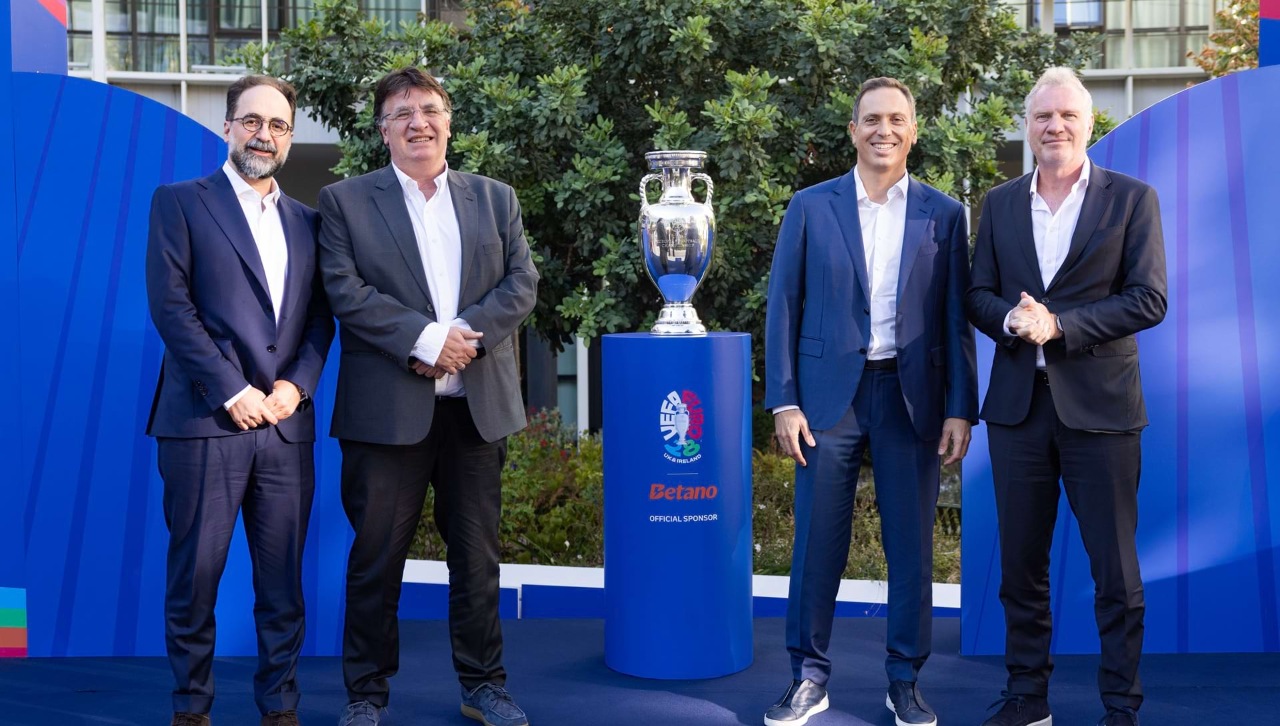
Advertising has become one of the most contested areas of the framework. Licensed operators have used football sponsorships, digital campaigns and creator-led promotions to build market share, while lawmakers and public-health groups have argued that high exposure can increase harm among vulnerable users.
Senator Eduardo Girão said: “There can be no influencers or athletes promoting betting. It’s an explosive combination.”
Participants at the hearing argued that advertising can encourage relapse among people dealing with gambling addiction and can normalize betting through trusted public figures or club affiliations.
Jéssica Lobo, who described herself as a “disinfluencer of gambling,” linked her advocacy to the death of her sister, Ângela Maria, in December 2023.
She said support groups she created for affected families and bettors now have more than 10,000 participants.
Consumer protection consultant Ione Amorim said betting harm extends beyond individual users, citing pressure on healthcare, family finances and public services.
Public defenders from Rio de Janeiro and São Paulo also called for stronger treatment, debt assistance and awareness measures.
Marcelo Dayrell Vivas said vulnerable groups were more exposed, including lower-income households and people with lower levels of formal education.
The hearing follows wider political pressure on betting marketing. In May, Brazil’s Senate began reviewing PL 2.470/2026, which proposes restrictions on betting advertising across television, radio, streaming, social media, sports uniforms and cultural events.
Brazil’s Ministry of Health has reported a 104% increase in public healthcare consultations linked to pathological gambling and betting-related issues between 2018 and 2025