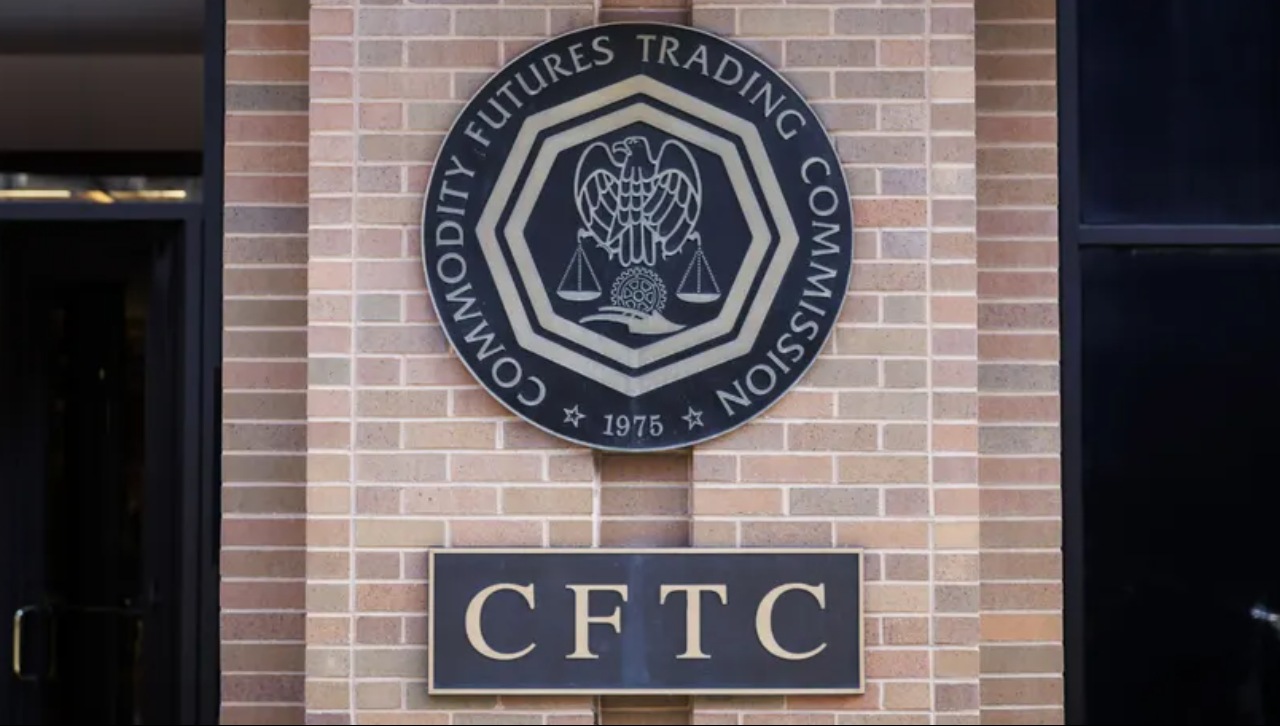
The Commodity Futures Trading Commission (CFTC) “exercised its authority to stay an emergency rule change proposed by Kalshi,” blocking the operator from cancelling trades in Michigan despite being ordered to cease such activity on June 29.
“A state cannot force a DCM to violate its obligations, and federal law does not permit a DCM to discriminate against a state’s residents,” CFTC Chairman Michael Selig said.
“Canceling trades that have already been executed is an unprecedented step that risks a cascading effect on the entire marketplace and undermines the certainty in contracting that is a necessary component of a functioning market. The Commission will not allow states or state courts to bully registered entities into violating the Commodity Exchange Act and CFTC regulations.”
Following the denial, Kalshi representatives stated the operator is currently reviewing the CFTC’s order and continues to consider its next plan of action. Michigan regulators, including the Gaming Control Board (MGCB), have yet to comment on the matter.
Kalshi moved to cancel trades in Michigan after the Ingham County Circuit Court granted Attorney General Dana Nessel a temporary restraining order against the operator, following her original enforcement action filed on March 4.
Kalshi unsuccessfully attempted to move the case to the federal level after Nessel’s motion to remand the lawsuit to state court was approved by the US District Court for the Western District of Michigan on June 25.
“Our gambling laws exist to protect Michiganders from unlicensed, predatory operations, and failing to comply with them carries serious legal consequences,” Nessel said.
“I am proud of the attorneys in my office who not only kept this case in state court but also secured an order protecting residents as this litigation moves forward. We remain committed to enforcing a level playing field for all gambling platforms in Michigan and ensuring that companies cannot evade accountability or exploit consumers under the guise of a prediction market.”
The temporary restraining order also called for Kalshi to implement geolocation services to ensure compliance with the enforcement action, although it remains unclear as to whether the operator will do so given the CFTC’s interference.
The MGCB approved DraftKings for a multi-state launch of its online poker platform on July 13, previously determining the operator met all regulatory requirements to conduct such activity