







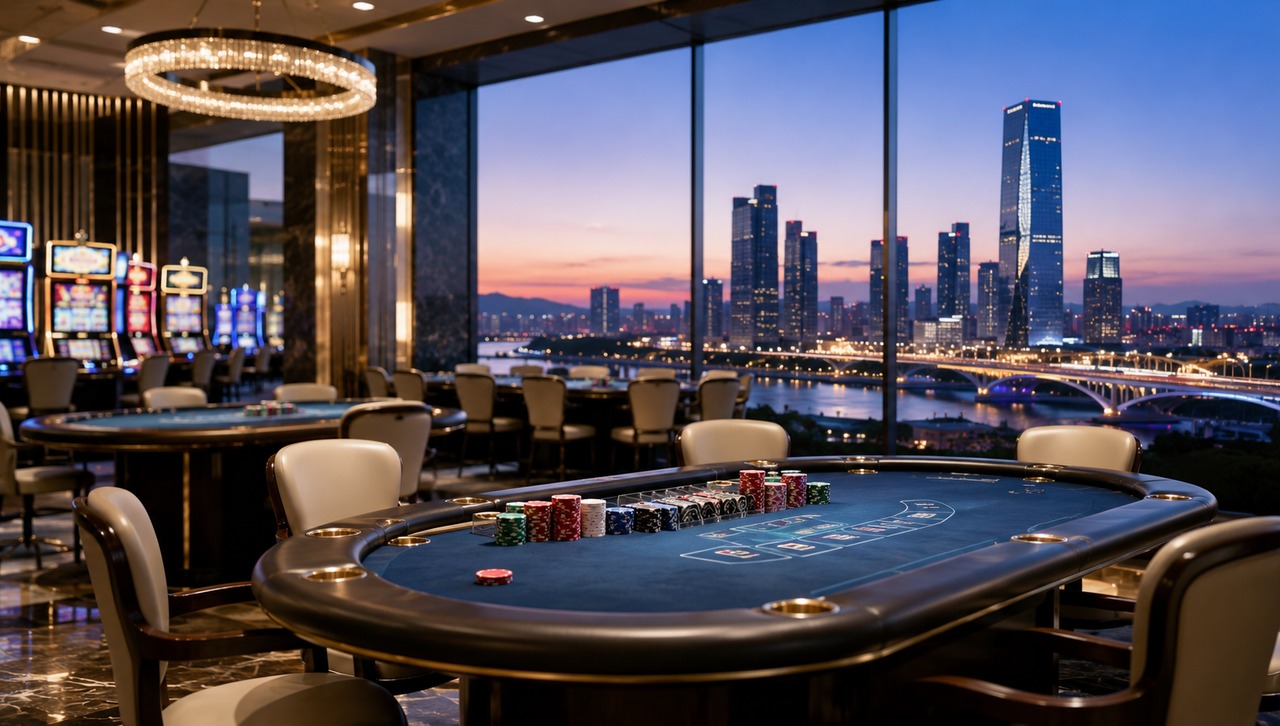
South Korea's casino industry has raised concerns over government proposals to increase the maximum contribution rate to the Tourism Promotion and Development Fund, warning the change could affect profitability and reduce investment in facilities and customer experience.
The Ministry of Culture, Sports and Tourism is reviewing amendments that would raise the maximum levy on foreigners-only casino operators from 10% to 15% of sales.
The ministry says the existing structure, which has remained largely unchanged for more than 30 years, no longer reflects the industry's growth and is seeking to create a new bracket for higher-revenue operators while directing additional funds towards tourism infrastructure and workforce development.
Casino operators, however, argue that the levy is based on gross revenue rather than operating profit, meaning businesses must pay regardless of profitability. They note that expenses such as complimentary travel, accommodation, gaming credits, labour and facility operations already place significant pressure on margins.
According to industry estimates cited by local analysts, a five-percentage-point increase could reduce operating profit forecasts by around 29% for Paradise, 37% for Grand Korea Leisure (GKL) and 21% for Lotte Tour Development.
Based on last year's figures, Paradise's annual contribution alone could increase by approximately KRW46bn ($31m).
The debate comes as South Korea's casino sector continues recovering from the pandemic while preparing for increased regional competition. Japan's Osaka integrated resort, scheduled to open in 2030, is expected to become one of Asia's largest gaming and tourism developments.
The issue also follows recent calls from Korean casino operators for broader regulatory reform to strengthen competitiveness before the Osaka resort opens. Industry representatives have previously argued that continued investment in gaming and non-gaming amenities will be essential to attract international visitors in an increasingly competitive regional market.
Separately, South Korean regulators are also weighing action against prediction market platform Polymarket over suspected illegal gambling activity, while the country has launched a new AI-powered initiative aimed at preventing gambling harm among young people.
Japan's Osaka integrated resort is expected to welcome around 20 million visitors annually when it opens in 2030, making it one of the region's largest integrated resort developments