
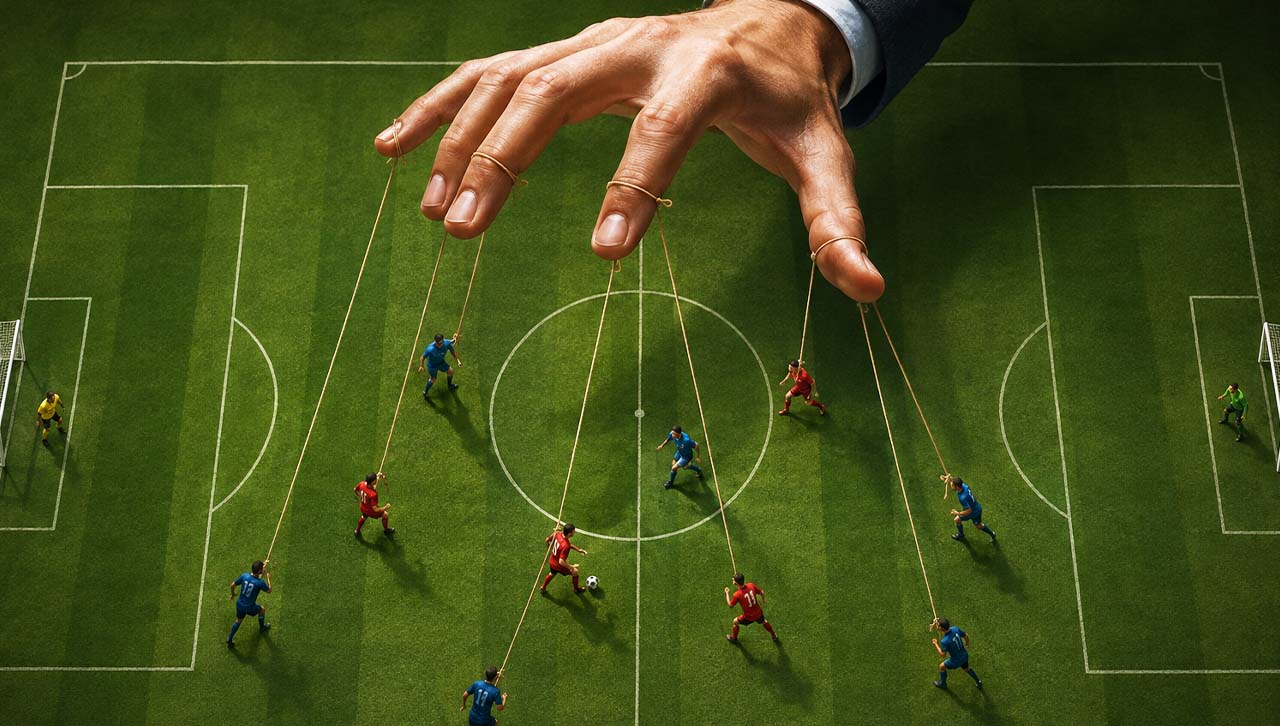
Kenya is moving closer to introducing its first legal framework to combat match-fixing, with the proposed Sports (Amendment) Bill 2026 prompting debate over which authority should investigate suspected cases of sports manipulation.
Match-fixing has remained a persistent concern in Kenyan sport, particularly football, with repeated allegations undermining the credibility of competitions, discouraging investment and eroding public confidence.
Sponsored by Nominated MP Irene Mayaka, the Bill would criminalise match-fixing, strengthen investigative powers and introduce legal protections for whistleblowers, addressing what lawmakers describe as a longstanding gap in Kenya’s sports integrity framework.
Mayaka said the current draft of the Bill grants investigative powers to Sports Kenya. However, feedback received during the public participation process has called for that responsibility to be transferred to the Directorate of Criminal Investigations (DCI) over concerns about Sports Kenya’s independence.
Mayaka said: “There’s been feedback from public participation that a lot of federations feel the investigative power should not lie with Sports Kenya because they feel they’re not independent enough.”
The proposal will be considered during the Committee of the Whole House, where legislators are expected to debate potential amendments before the Bill returns to the National Assembly for its third reading.
The Bill also includes legal protections for whistleblowers, recognising their role in exposing suspected match-fixing and sports manipulation.
Recently, Global Gaming Insider analysed Kenya’s gambling regulatory overhaul, which introduced changes to the licensing framework including higher licence fees and increased minimum capital requirements for operators. The new regulations also require online gambling platforms to integrate with the GRA’s monitoring systems to enable continuous oversight, while operators face stricter responsible gambling obligations.
However, following the overhaul, Kenya’s High Court suspended the implementation of the new licensing regulations after a legal challenge argued that key requirements, including higher capital thresholds, were introduced without the public consultation required under the Constitution. The ruling places the new licensing framework on hold until the case is heard on 21 September.
The August issue of Global Gaming Insider magazine features a strong focus on Africa’s gaming market, including an in-depth look at developments in Kenya.
Kenya’s gambling regulator is currently investigating licensed betting operators over allegations they unlawfully acquired personal data from a telecommunications provider