






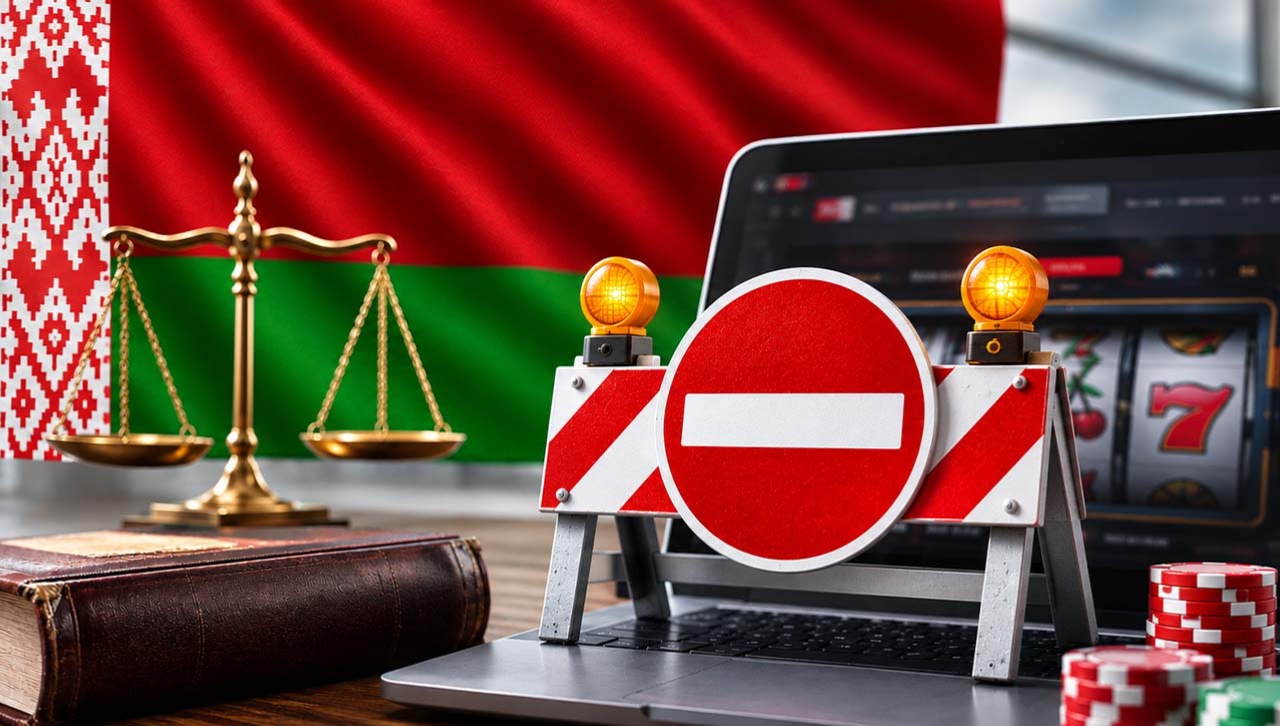
Belarus's Ministry of Antimonopoly Regulation and Trade (MART) has drafted amendments to the country's Advertising Law that would impose stricter requirements on gambling advertising, including a proposed ban on most outdoor advertising.
The draft legislation was developed in pursuance of a directive from the President to strengthen the legal framework governing the gambling industry and prevent addiction, particularly among young people. MART has submitted the proposals to relevant stakeholders and the Government for approval.
Speaking to local television, Yulia Khvalyuk, a consultant in MART's Advertising Department, said existing legislation places no limits on the volume of gambling advertising.
She explained that the proposed amendments would introduce new requirements covering both the content of gambling advertisements and where they can be displayed.
The proposed amendments would also require gambling advertisements to carry a warning stating that winnings are not guaranteed and that gambling involves a risk of financial loss. Belarusian authorities first outlined the advertising restrictions in August.
As gambling advertising rules tighten across Europe, Global Gaming Insider examined the changing regulatory landscape in its November magazine.
Belarus has recently tightened its regulatory framework with additional financial controls. Since 15 June, Belarusbank has been blocking all card transactions to foreign gambling operators.
The bank has also restricted domestic gambling transactions. Daily limits range from BYN 600 ($200) to BYN 3,000, depending on the type of debit card. All payments will be identified using gambling merchant category codes (MCC).
The blocking follows regulations that took effect on 11 March. Belarusian citizens are prohibited from transferring funds to foreign unlicensed operators, and banks are required to block such transactions. Gambling operators are also required to verify the identity of their players.
In April, Belarus’ Ministry of Taxes and Duties detailed the security requirements that gambling operators must follow to protect players, staff and premises