Land-based commercial casino operators in Sweden are now subject to the country's anti-money laundering framework after Spelinspektionen removed an exemption covering the sector from 1 September 2026.
The amendment to SIFS 2019:2 follows a revised risk assessment published by the regulator in September 2025, which concluded that the money laundering risk associated with land-based commercial casino gaming could no longer be classified as low.
Affected licensees must conduct general and customer-specific risk assessments, establish internal procedures, train staff and maintain ongoing monitoring.
The requirements form part of the risk-based approach applied under Sweden's Money Laundering Act, which requires controls to increase where operators identify higher exposure to financial crime.
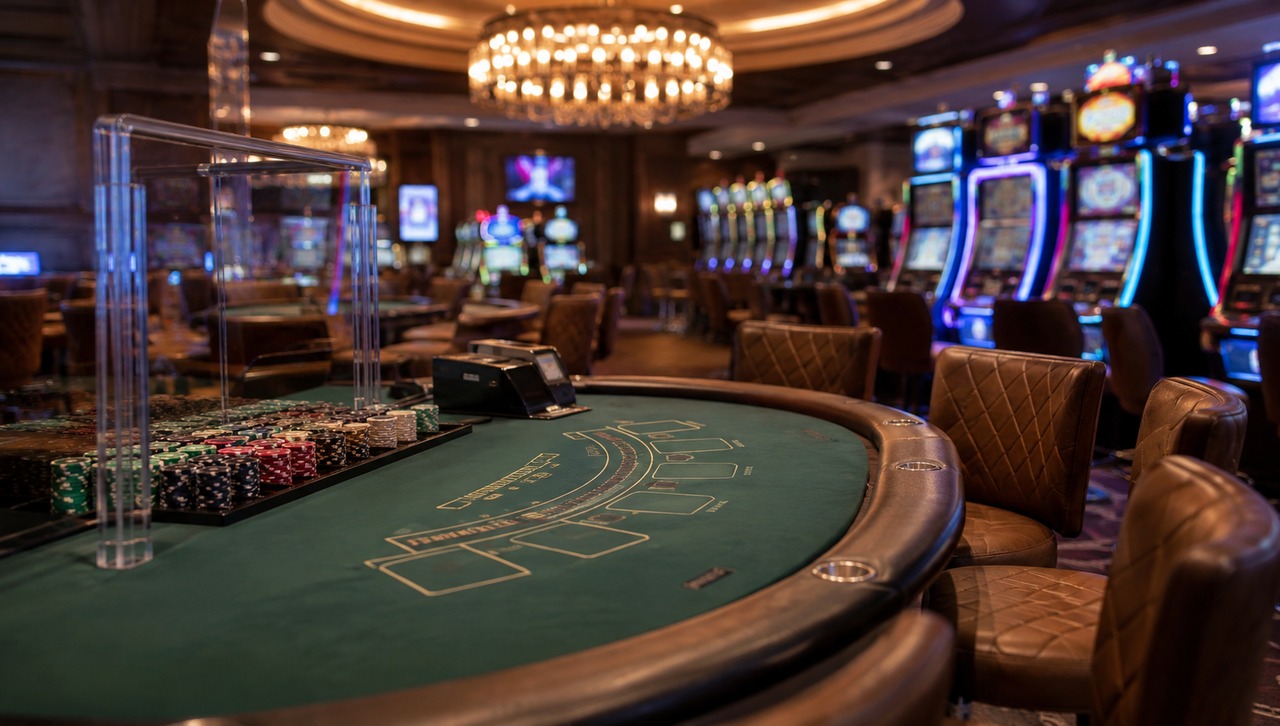
The change primarily concerns restaurant casinos, which can offer roulette, card and dice games at licensed premises serving alcohol. Sweden's former state casino business is no longer operating after Casino Cosmopol's final property closed in April 2025.
Land-based commercial gaming remains a relatively small part of the regulated market. It generated SEK263m ($27.9m) in net turnover during 2025, up 9.6% year-on-year.
Revenue from the segment reached SEK73m in Q2 2026, compared with SEK4.96bn from commercial online gambling and betting during the same quarter.
Spelinspektionen has also been conducting preventive supervision covering all licensees offering land-based commercial casino gaming, alongside Svenska Spel's gaming-machine operations.
Thirteen operators were named in the review launched in June.
Player registration remains exempt under the Gambling Act for restaurant casinos. However, Spelinspektionen said operators may still need to record customer information separately where required to meet customer due diligence obligations.
Sper seeks clarity on responsible gambling rules
The AML change comes as Sweden separately reviews its responsible gambling framework. Spelinspektionen proposed replacing the existing LIFS 2018:2 rules with new regulations intended to clarify licensees' player-protection obligations.
Industry association Sper said it broadly supports the proposal but wants clearer guidance to enable consistent interpretation.
Sper CEO, Maria Wennerberg Sedigh, said: "Our ambition is to contribute to a regulatory framework that both strengthens protection for players and creates the conditions for consistent application in the market."
Swedish licensees are also preparing for the EU's wider AML framework, with the new Anti-Money Laundering Regulation applying from 10 July 2027 and AMLA developing common supervisory standards across the bloc.
In June, Spelinspektionen ordered Vbet operator SCGO Limited to revise its general AML risk assessment after identifying shortcomings across areas including products, payment methods, customer categories and geographic risks.
Spelinspektionen's September 2025 assessment was the first to reclassify the money laundering risk for restaurant casino gaming from its previous low-risk status