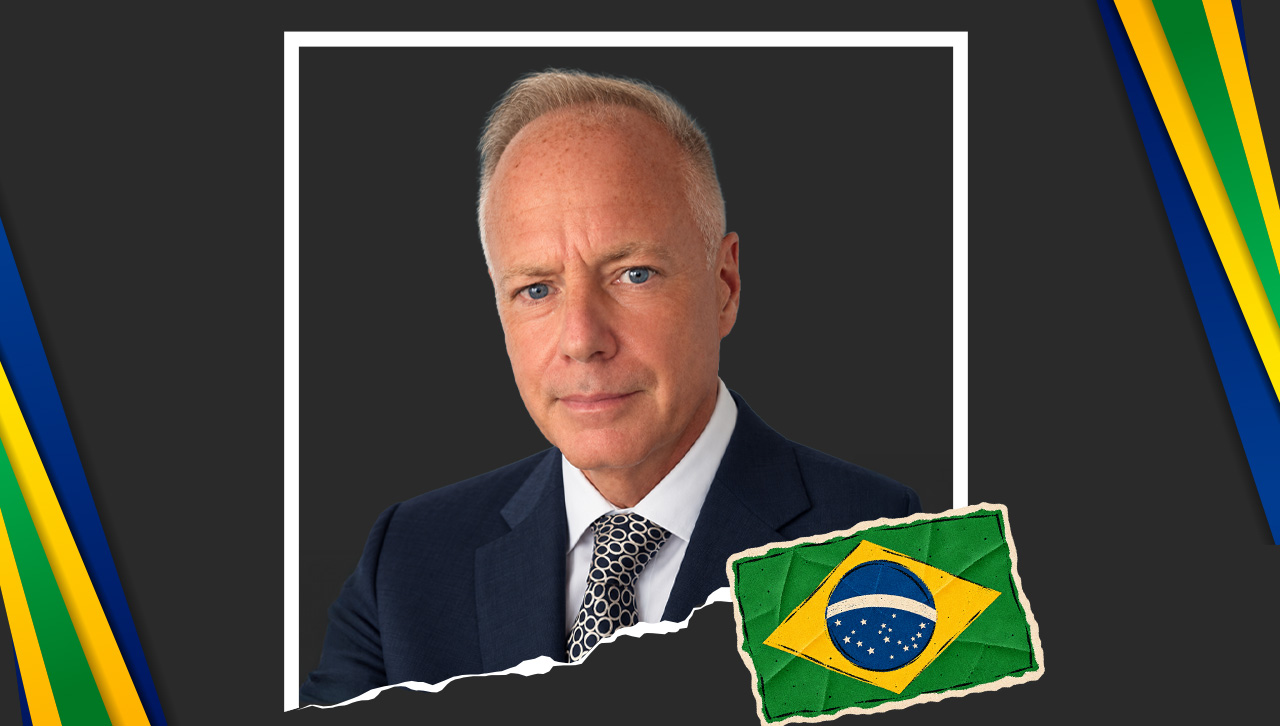











Kalshi has issued a three-year ban to US Republican House candidate Laurie Buckhout for purchasing contracts related to her own candidacy, as she currently challenges Representative Don Davis in North Carolina's First Congressional District.
While Buckhout bought less than $1,000 in contracts tied to her own election, the prediction market operator penalized the House candidate $2,589.96 along with the three-year ban.
As confirmed by Kalshi, Buckhout cooperated with the operator’s inquiry and even issued her own public statement admitting to the trades, having said: "I bet on myself. Literally.
“It was a dumb mistake, and as soon as I learned there was an issue, I worked to make it right. Safe to say my career as a Kalshi trader was short-lived.”
Kalshi’s guidelines, specifically rule 5.17(z), prohibits any trader from purchasing contracts related to an event they maintain direct or indirect influence over. Given Buckhout is a candidate on the ballot tied to her contract purchases, her standing fell under such requirements.
Buckhout joins the list of political figures recently punished by Kalshi, as the operator enforced its first-ever lifetime ban on former US congressman George Santos on August 31, as well as issued a fine of $71,356 following accusations of insider trading.
Santos allegedly fixed odds on whether he would attend President Donald Trump’s State of the Union address during February, having placed bets on Kalshi prior to announcing he would be unable to be at the event less than 24 hours prior.
On the same day, a former White House teleprompter was ordered to pay more than $172,000 and banned from the platform for three years after using non-public information related to Donald Trump’s speeches to place bets on Kalshi.
Gabriel Perez was found to have traded contracts tied to what President Trump would say during speeches between December 2025 and February 2026 and misappropriated information obtained through his former role to place the bets.
A federal judge in Montana denied Kalshi’s request for a preliminary injunction on August 28, while a separate lawsuit from Connecticut added to the operator’s expanding regulatory disputes