Baden-Württembergische Spielbanken and the Verdi union remain in a wage dispute covering around 550 employees at the state-owned operator’s casinos in Baden-Baden, Stuttgart and Konstanz, despite a new union proposal intended to restart negotiations.
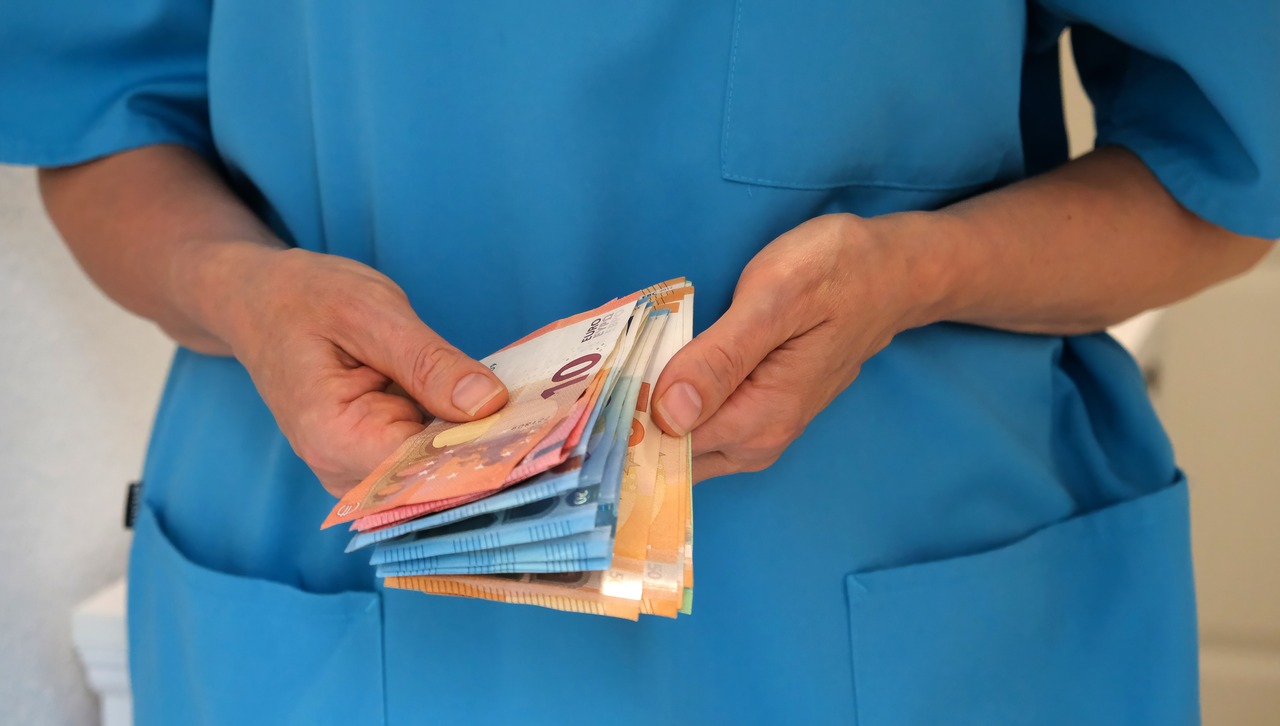
Verdi is offering to accept a €230 ($270) monthly special payment outside the salary scales, backdated to January 2026, alongside a peace obligation running until 1 January 2027. It has also offered to participate in workshops aimed at creating a unified collective bargaining framework across the three properties.
The union said further talks would require the binding involvement of two representatives from the supervisory board or holding company.
The latest proposal follows several months of disagreement. The operator terminated its collective agreements in September 2025, including arrangements covering occupational health programmes and pensions.
During the opening phase of the 2026 pay round, Verdi sought a €350 base increase plus 3% backdated to January.
Employees staged the first warning strike in the operator’s history on 30 May, affecting all three casinos. A preliminary settlement announced in June reduced the increase to €230 per month and envisaged transferring that amount into salary tables once a new unified agreement was concluded.
That settlement later broke down after the supervisory board declined to approve the automatic salary-table effect. The operator said the board regarded that element as part of negotiations for the future collective agreement rather than the 2026 wage settlement.
The dispute therefore centres on whether the €230 increase becomes a permanent base component under the next agreement, alongside the immediate payment.
Baden-Württembergische Spielbanken GM, Tobias Wald, said: “A new collective bargaining agreement for three locations with very different historical structures is a challenging task and should be a top priority for all parties involved.”
Baden-Württembergische Spielbanken operates the state’s three casinos under Baden-Württemberg gambling law and is wholly owned by the state. Its supervisory board includes representatives from state ministries, giving the unresolved labour dispute a public-sector governance dimension.
Germany’s land-based casino sector is primarily organised at state level. The German Casino Association represents state-licensed operators across 35 locations in eight federal states, while the GGL is responsible for cross-state online gambling supervision.
In August, North Rhine-Westphalia amended its online casino legislation to create a framework for third-party live casino studio providers, while keeping regulatory responsibility with licensed operators.
Baden-Württembergische Spielbanken has operated Baden-Baden, Konstanz and Stuttgart under a single group structure since 2003 and is wholly owned by the state