
















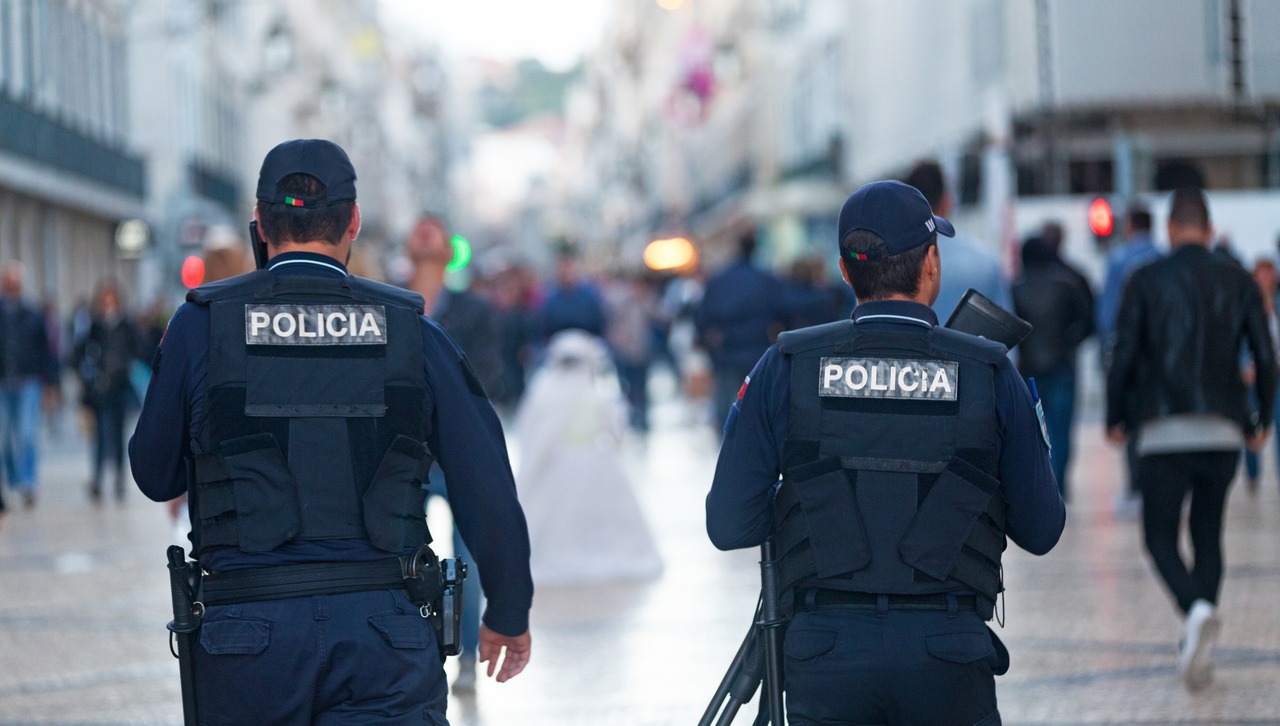
Portuguese police have begun investigating allegations of possible manipulation in football referee appointments.
The investigation includes claims that certain individuals may have learned which referees would be appointed before the appointments were officially announced. It also examines allegations that attempts were made to influence officials.
The Polícia Judiciária (PJ) is examining text messages and audio recordings recovered from the phones of several figures connected to Portuguese football. These reportedly include Portuguese Football Federation (FPF) Arbitration Council president Luciano Gonçalves, Estrela da Amadora president Paulo Lopo, former FPF technical director Duarte Gomes, as well as referees Hélder Malheiro and Hugo Ribeiro.
The investigation reportedly follows a 20-page report submitted to the Public Prosecutor's Office in July, raising suspicions over referee appointments in the Primeira Liga and possible corruption and influence peddling.
One case under investigation concerns Malheiro's appointment to referee the Moreirense-Estrela da Amadora match. According to the report, Malheiro allegedly learned about his appointment before it was officially announced. Investigators are also examining an alleged suggestion that an Estrela victory could benefit the referee's prospects of remaining in the Primeira Liga the following season.
The PJ is also reportedly examining claims that payments of around €1m may have been offered to football officials in exchange for favourable treatment of certain clubs.
A separate allegation concerns the Portuguese Cup quarter-final between FC Porto and Benfica. According to Correio da Manhã, messages allegedly indicate that FC Porto sought to prevent Fábio Veríssimo from being appointed. FC Porto has rejected the claim, stating that it does not participate in referee appointments.
The investigation follows Duarte Gomes' resignation in June. A separate FPF inquiry was closed in July after finding that Malheiro's appointment had been known in advance, but that there was insufficient evidence to establish who had disclosed the information.
The allegations remain under investigation and do not establish that matches or referee appointments were manipulated.
Portugal's industry association APAJO identified 500 validated cases of unlicensed betting operators being promoted online during the 2026 World Cup, most through social media